
Episode 60: Cardiac Rehab After Open Heart Surgery


 RSS Feed
 Recovering from a heart surgery or cardiac event is never simple—the questions, fears, and “what-ifs” can feel overwhelming. That’s where cardiac rehab steps in, providing a safe, structured, and supportive bridge between the hospital and a confident return to life.
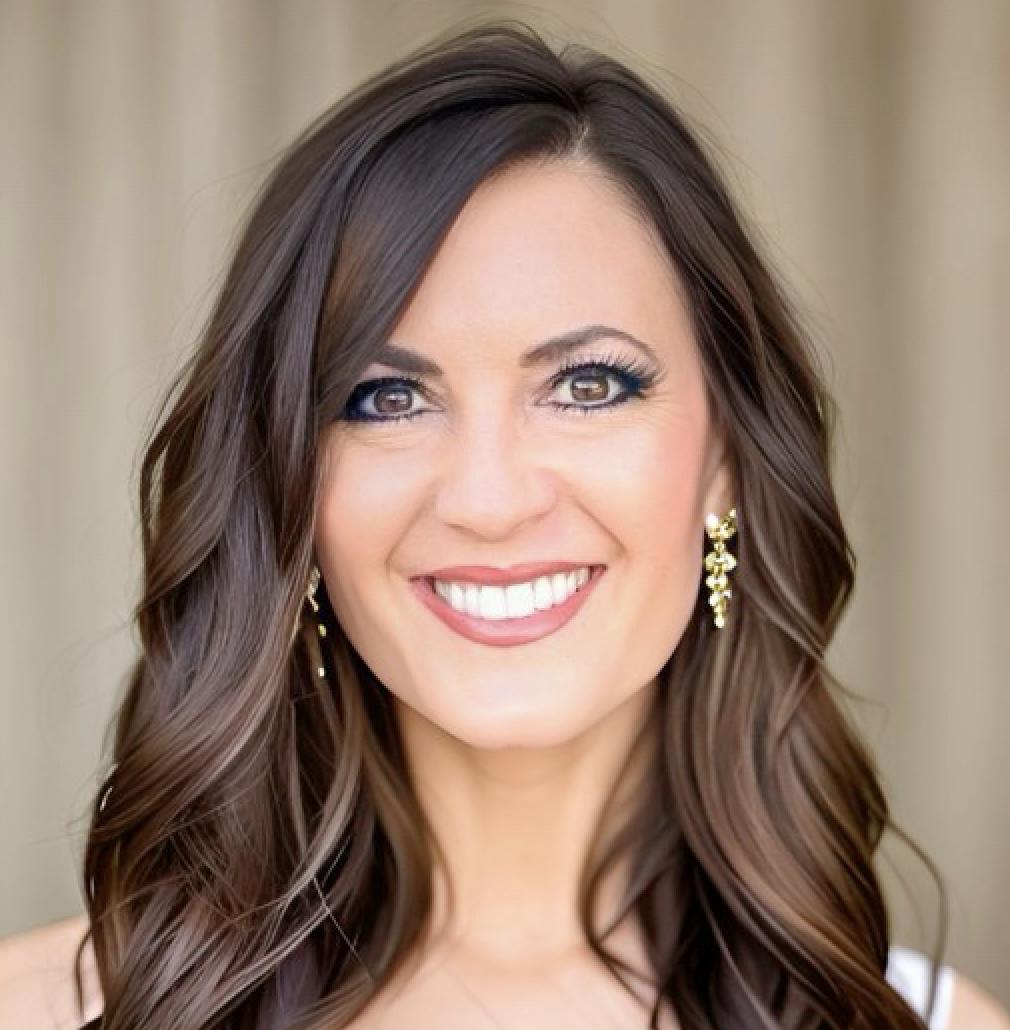
In this episode, I'm speaking with Kimberly Lynch, a clinical exercise physiologist at Sutter Roseville Medical Center Cardiac Rehab. Kim is also a Leader of Impact with the American Heart Association which you'll hear a little more about in the episode. Kimberly explains what really happens inside cardiac rehab: monitored exercise, personalized treatment plans, nutrition guidance, and emotional support that helps patients rebuild both body and spirit.
Together, we explore the fears patients face, the life-changing impact of rehab, and why this whole-person approach is so essential for recovery. Kimberly also shares her personal passion for advocacy and fundraising, and how community support powers lifesaving research and education.
If you or someone you love is navigating recovery after a heart event, this conversation offers clarity, encouragement, and hope on your journey to your "new" normal post surgery. Build confidence and regain the life you choose by learning and understanding what to expect from cardia rehab.
Learn more or support Kimberly’s American Heart Association campaign by checking the link HERE
To learn more about cardiac rehab at Sutter Roseville Medical Center visit their website HERE.
To reach kimberly via email: kimberly.lynch@sutterhealth.org
Chapter Summaries:
00:00 Introduction to Cardiac Rehab
00:40 Welcome to Imperfect Heart
02:04 Guest Introduction: Kimberly Lynch
02:57 American Heart Association Fundraising
06:36 Understanding Cardiac Rehab Programs
08:55 Personal Experiences and Challenges
15:34 Monitoring and Safety in Cardiac Rehab
25:42 Holistic Approach: Nutrition and Mental Health
28:25 The Emotional Impact of Heart Procedures
28:52 Starting a Support Group for Heart Patients
30:15 The Power of Shared Experiences
33:08 Graduation and Moving Forward
35:11 Virtual Cardiac Rehab Options
36:52 Insurance Coverage for Cardiac Rehab
39:23 Personal Stories of Recovery
45:41 The Importance of Cardiac Rehab
48:13 Conclusion and Final Thoughts
When you come into cardiac rehab, every rehab is slightly different. All of that includes the cardiac monitoring, the exercise, the education, which we cover a huge amount of topics. You're gonna come in, put that monitor on. One staff member is gonna be behind the monitor watching your monitor the whole class and then interpreting it afterwards and writing a little report in case something needs to be viewed by a cardiologist.
SPEAKER_00We'll talk with healthcare professionals, those in related fields that support our condition, and others just like us with stories of their myocardial bridge experiences. It's my intention for this content to inform, educate, entertain, and even motivate or inspire you in your personal journey on dealing with a myocardial bridge. Most importantly is to have you leave each episode with hope, knowing you're not alone and that what you're experiencing is real. Just a quick reminder before we get started that the book is now available at Amazon.com, Imperfect Heart, Stories of Myocardial Bridges. Buy it for anybody who doubts that this condition is symptomatic. Recovering from unroofing surgery or a cardiac event is full of questions and fears. How much is too much? Am I safe? Why is my heart pounding? That's where cardiac rehab steps in. A place where science, support, and compassion help rebuild both body and spirit. This is a place I've wanted to discuss for some time now as it prompts many questions from you. I'm talking with Kimberly Lynch, a clinical exercise physiologist and passionate advocate for cardiac rehab. She walks us through what really happens inside these programs. Careful monitoring, education, and emotional support, and why they're often the missing bridge between fear and confidence. Kimberly was also recognized by the American Heart Association's Leaders of Impact campaign for her dedication to cardiovascular health education and advocacy. Whether for yourself or someone you care for, you'll get a much better understanding of what whole person recovery looks like from this conversation with hope and clarity for the journey ahead. Kimberly Lynch, welcome to Imperfect Heart.
SPEAKER_01Thank you so much for having me. I'm really looking forward to this.
SPEAKER_00It's the American Heart Association's Leader of Impact campaign, right? Yes. Tell us a little bit about that.
SPEAKER_01I'd be happy to. So last spring, I was contacted by the American Heart Association. I think they had maybe seen some of the work I'd been doing in the community, and they said, we're choosing a cohort of community members, not all clinical, some business owners, who we think could make an impact for raising funds for the American Heart Association. Would you be willing to do it? And it did not take me long. I was pretty all in. The American Heart Association, as we know, is nonprofit, so they really rely on their fundraising efforts to make everything happen from funding medical research to bringing programs to hospitals, CPR training in the community and in schools. They help change policy, bring awareness. It is just beyond what the American Heart Association does, help people recognize risk factors so we can avoid them coming to see me in cardiac rehab. So it was a quick yes for me. And so what I'm doing for seven weeks is raising awareness and asking for donations. So that's hard for me. I'm usually on the other end, just like wanting to support everybody. But for this, I do need to collect donations from people. So I've had people donate $5, I've had people donate $1,000. It's any help, you know, is just meaningful to me right now. So I think we're gonna put like maybe a little link in the show notes.
SPEAKER_00Oh, absolutely we will for you.
SPEAKER_01That would be great. And if it is on your heart to make a donation in, you know, in my campaign, that would be just greatly appreciated. Yeah. Trevor Burrus, Jr.
SPEAKER_00And how many of you leaders of impact are there?
SPEAKER_01There are 16 in the Sacramento area. But this is a nationwide campaign. So there are cohorts from across the country all doing this at the same time. Aaron Ross Powell, Jr.
SPEAKER_00The same seven weeks, so concurrent to you. Yes. Okay. And most of the listeners know that I'm in Sacramento, California. Yeah. You happen to work at the cardiac rehab center that I was at pre-surgery, but never made it to post-surgery. Because for some reason I didn't get assigned cardiac rehab.
SPEAKER_01Exactly.
SPEAKER_00But we'll talk a little bit about that because so many people are concerned about what that means.
SPEAKER_01Yes.
SPEAKER_00Many of us post-cardiac surgery and even some pre wonder what the next steps are to recovery. We're concerned about what we can and can't do. And regardless of what we're told on our exit from the hospital, we're not going to remember.
SPEAKER_02Right.
SPEAKER_00All you're worrying about is just get me the hell out of here. I just want to go home. But there are a lot more concerns on our minds once we get home. I mean every concern becomes really clear, and one of the pressing concerns is how much effort is too much? I mean you just cut my heart. Exactly. And we get the sternal precautions pretty well because that you feel, but the heart we don't. And I remember I looked and I said, Can I walk up those stairs?
SPEAKER_02Yeah.
SPEAKER_00Don't know. You know, what if my heart feels like it's pounding? Is that good? Is it bad? Is it normal? How far should I be walking? I know they said walk.
unknownYes.
SPEAKER_00But can I walk? And what heart rate should I be at? I forget what he said. Did he say 110, 120, 130? I can do I know I used to do way more than that. And it just goes on and on and on. And then enter you. Yes. A cardiac rehab exercise physiologist.
SPEAKER_01Yes.
SPEAKER_00So to get us started, why don't you just orient us to what that means?
SPEAKER_01Trevor Burrus Yeah, definitely. Cardiac Rehab is a voluntary outpatient program. So a doctor, a cardiologist after surgery will refer a patient to us, just like if you had a knee replacement and you needed PT afterwards. But this is a little different. It is a group setting. We are attached to the hospital, but we're outpatient. And the patients are referred to us, they come to us, and it really is a whole person program. There's not much like this in our healthcare system. And I am thrilled to be part of it. I think it is an absolutely beautiful thing that we do for our patients. So it's a group program, meaning we have class classes that occur and we work with 10, 12 patients per class. And it all starts with an initial evaluation after your referral is processed. So we can get into what qualifies for a referral in a minute. But once you come in, you meet with a cardiac nurse, you have your initial evaluation, and then you have 35 sessions with us. So we get to know our patients real well.
SPEAKER_00And are they weekly, bi-weekly, twice, three times? How often do you think that's a very important thing?
SPEAKER_01Yeah, so we run two different programs. I mean it's the same program, but some people want to come two days a week. That's what they can do, and they come to us twice a week. When they come two times a week, it usually takes about five months to finish the program if they go to completion. Our three-day-a-week patients, so Monday, Wednesday, Friday, they finish in three to four months typically. And same program. We just kind of squeeze everything in on the two days if they come to the two-day a week program. And you know, sometimes we need to put someone on hold because maybe we discover something that needs further investigation. And we do communicate with the cardiologist, we share notes from our sessions with the patients, and we're kind of a bridge there. So that's a huge value to the patient. So it's it's exercise portion, education, we monitor EKG, we do resistance bands and training and tons of uh psychosocial support for sure. Uh yeah.
SPEAKER_00I'm going, I mentioned I went pre-surgery. Let me just address for those who are going, wait, wait a minute, what why did he go pre-surgery?
SPEAKER_02Right.
SPEAKER_00This is pre-diagnosis. Right. All I had was the chest pain, the severe chest pain, which we found out was endothelial dysfunction. And it was causing me to go into triplets and beyond what uh preventri pre-ventricular contractions, PVCs. Not a good thing.
SPEAKER_01Not a good thing.
SPEAKER_00And I remember when I started, you would see doubles and you say, okay, well, just keep an eye on that. And then you if you if I popped a triplet, it was like, whoa, stop.
SPEAKER_01Right.
SPEAKER_00And before we get into that, let's address the person comes in, they're anxious.
SPEAKER_01Yeah.
SPEAKER_00Because in most cases, aren't you dealing with people post-surgery or or not?
SPEAKER_01Yeah. Well, so I might just for you so the listeners know, kind of just list the reasons why we get a referral.
SPEAKER_02Perfect.
SPEAKER_01So yours was one of the referral diagnoses that has a little bit of the most leeway because stable angina is chest pain that comes on for a reason like exercise or exertion. And you can kind of see how that could fall, you know, it could be because of blockages, it could be a bridge. You know, we have the term ENOCA thrown out there where it's like, okay, this person's having chest pain. We don't know why yet, we're trying to figure it out. So that is one diagnosis. But the other diagnosis are an actual heart attack, whether or not they did a stint or PCI, which is the per percutaneous coronary intervention. There's the cabbage surgery or the bypass surgery. Trevor Burrus, Jr.
SPEAKER_00Coronary artery bypass graft.
SPEAKER_01Yes. I love asking my patients in education, okay, who knows what cabbage means? Because it's like, no, this is not a vegetable. Yeah. So it's like 10 points if you can uh list that. Yeah, coronary artery bypass grafting. And so that is the open heart surgery there. We work with patients who've had valve repair or replacements, heart failure patients. They do have to have reduced ejection fraction, which is left ventricular function. And we work with heart transplants as well. So you can see there's like a huge gamut. And so that stable angina diagnosis for in-qualifying diagnosis to come to our program was just this one niche of what we do.
SPEAKER_00Trevor Burrus, Jr. And unfortunately I didn't even get to 35 weeks or 10 weeks or six weeks. I got into like four weeks. And then the fourth I had a catastrophic situation right after the exercise. Right after cardiac rehab. I remember I I had the whole terminator on and I had finished and I felt good. Right. I got up to the top roof of the garage and I went into a massive situation of PVCs.
SPEAKER_02Mm-hmm.
SPEAKER_00A long-run VTOC of ventricular tachycardia. And when I got to the office after going home and showering and everything, saying, Man, that really sucked. I hope I'm okay. Right. I got a call from the doc who saw it on the Holter. The Holter called him and said, Your patient's in trouble, you've got to get him something now. And that started, you know, the cascade of activity that finally got us to identify the bridge.
SPEAKER_01Right. And interesting because I've listened to many of your podcasts and I've heard you say you walk to the top floor of the garage. So one thing that we help patients learn, and we we try to teach them there there's something that we monitored called Mets. Mets are the metabolic equivalent of the task. It kind of represents the oxygen requirement to do exercise or activity. So we hand out Met charts, and so walking to the top of a garage, five floors or whatever, five. You probably were doing like eight Mets, right? And in cardiac rehab, you were probably doing four to five Mets, you know? So, you know, you may not have kind of triggered that level of intensity. You were maybe doing moderate.
SPEAKER_00Well, because you would yell at me if I got doing too much aggressively in the Trevor Burrus.
SPEAKER_01Because we didn't want you to go to individuals.
SPEAKER_00Right.
SPEAKER_01Yeah. But that that stair climb, that stair climb triggered the ischemia, which triggered those electrical pathways to freak out. Trevor Burrus, Jr.
SPEAKER_00Right. Yeah. Which caused me immediately to go to the EP, the electrophysiologist at one of your other locations. The intent of me going through that was because they couldn't diagnose what was happening with me. And they thought that if they could trigger it under supervision, which we almost did.
SPEAKER_02Yeah.
SPEAKER_00You missed it by about that much, right? Then they'd be able to see something because you are wired up once you're in cardiac rehab. So the significance of that, and I remember getting in there because we think of calories and wattage in terms of a cyclist. Yes. And I see these Mets things and I'm like, what are these Mets? This is come on, this is just baby stuff. Trevor Burrus, Jr.
SPEAKER_02Right.
SPEAKER_00But it does give you the sense of a gauge. And as you enter cardiac rehab, you'll recognize it significantly as soon as you do your first exercise. And you're like, oh, that's the Mets that Kimberly was talking about in that episode. I get it.
SPEAKER_01Trevor Burrus Yes, absolutely. And so we the Mets is like our objective measure. We also pair that with a subjective measure. So you probably remember we'd say, all right, how does this feel on a scale to from zero to ten? Zero sitting on the couch doing nothing, 10 being like running up a flight of stairs, right? And so typically we like to see our patients at maybe a three or a four out of ten. So that's kind of moderate to somewhat hard exercise. It's kind of a good sweet spot where you're getting the good work, but you're not like pushing super hard. Until you we see that you tolerate that well, we don't see a lot of extra PVCs and things like that, then we'll start implementing some maybe HIT training where we start pushing you a little bit more. But it's not for everybody. So it's very individualized. And yeah, the the Mets, the objective and the way you feel subjectively, we track both of those through all of your sessions with us.
SPEAKER_00Aaron Powell What is it when you first come in, you wire us up? What what are you doing?
SPEAKER_01Yeah, so not all cardiac rehabs monitor all 35 sessions. We do. We feel like if we've got the staff to do it, we have the equipment to do it, let's do it, right? But some some um it does take an extra component and an extra staff member who's trained in cardiac monitoring. And so not everybody does it, but it is we find it very valuable because we get to learn kind of your baseline. So someone who's had a heart attack, for example, or maybe somebody that has a bridge like yourself where maybe you had a certain load of PVCs that was kind of your baseline. Everybody has PVCs. I have PVCs. It's just a natural thing. But when they start happening close together, or when they start increasing, then we ask why. So if one of our patients, for example, starts off with we call them rare PVCs. And now all of a sudden we're starting to see some triplets or couplets, like you mentioned, those are PVCs together, or a little run of VTAC. Maybe they didn't feel anything, but they had it, you know, then we're making note, we're charting on each session. And when that starts happening, we'll just send an FYI to their cardiologist and say, hey, this is what we're starting to see in cardiac rehab. We've got them monitored three times a week, right? For an hour and 15 minutes a session. Do you want to review this and you know, let us know if you want to do a halter or whatever? And so a lot of times they will call the patient, review our work that we're doing, and then many of our patients will go in and have a halter monitor placed where they can watch them 24 hours a day for a set amount of time. So I really love that about our job that we can be a bridge. We're also always looking for patients going into new onset AFib. New onset AFib is a huge stroke risk, increases the risk of stroke by five times. So those patients need to be seen pretty quickly, and there are certain medications, anticoagulants, and things that they should be on.
SPEAKER_00And we hear of AFib occurring not often, but occasionally enough to say it is it's a a side effect sometimes of the surgery. And maybe it's not permanent. Yeah. It could just be till the heart settles back in after getting beat up and cut and all that sort of thing.
SPEAKER_01Yeah.
SPEAKER_00But it's not that unusual.
SPEAKER_01Aaron Ross Powell It's not yeah. It's actually pretty common that people will go into AFib temporarily after after a procedure. We usually have that noted in our notes, and then we're watching to make sure that they're not going back into AFib under our care. And if they do, then we send them down to the cardiologist right away. Yeah.
SPEAKER_00So what should one expect once they enter the doors?
SPEAKER_01Yeah.
SPEAKER_00And from my perspective, it would look like a gym setting of some sort. Not weights and all that sort of thing, but the machines, the exercise machines of sorts, treadmills and cycling, whatever Peloton-esque type bicycles. What else is in that room?
SPEAKER_01Yeah. So when you come into cardiac rehab, every rehab is slightly different. You know, you kind of find your way as a team of the way you like to get in all the components. Just to back up a little bit, each patient has what we call an ITP. That's their individual treatment plan. That is reviewed every 30 days. We progress patients based on that. We communicate to our medical director who is a cardiologist who signs off on that monthly ITP. So behind the scenes, there is a little more than the patient sees. So all of that includes the cardiac monitoring, the exercise, the education, which we cover a huge amount of topics in education. It also includes psychosocial support, information about nutrition, all these things, right? But on a typical day, so let's say it's a Monday, you're gonna come in, put that monitor on, that EKG monitor. One staff member is gonna be behind the monitor watching your monitor the whole class and then interpreting it afterwards and writing a little report in case something needs to be viewed by a cardiologist. On the floor, I mean, we've got the music bumping, it's fun, the class gets to know each other. So that part of it does feel a little bit like a gym, okay? So on one day a week, we start with some good resistance bands. We'll talk about open heart surgeries in a minute. So don't let me forget that. But we start with some resistance bands, some strength training, we do a dynamic warm-up together, learning how to warm up our body appropriately. We get on the machines, and everyone's different here too. So we've got high achievers that are on the elliptical treadmills, we have runners, things like that. But then at the other end of the spectrum, we've got people who've never exercised a day in their life.
SPEAKER_00For them, it's the first time ever.
SPEAKER_01Ever. Ever. And so we have the new step machines, which are very expensive. So we're lucky to have a lot of them, but you won't necessarily find them in regular gyms. They're very expensive pieces of equipment. But it's like a seated stepper that has arms and legs, very good on the joints. And you can push yourself or go a little lighter depending on your experience. We have bikes. I mean, we just we've got armor gometers. So there's just a ton of cardio equipment. So the patients get on the cardio equipment, do their set amount of time, and then once a week we teach them all how to do some guided breathing meditation. That's a big deal for someone recovering from a cardiac event. And once a week, they get a good 30 minutes of education as well with handouts and things. People make binders, and we have that whole education component. And all the while they're being monitored by somebody behind the monitor. Sometimes it's me as an exercise physiologist. I am trained as a cardiac monitor. Sometimes it's one of our cardiac nurses. We all kind of rotate.
SPEAKER_00And on the people who are in in the education process, some of that's new to people too. Because that education includes nutrition, it includes what to do when you get home, what to watch for. Yes. What are some of the like red flag protocols that you've got in place for somebody coming in to be really cautious about to make sure that they don't overdo it?
SPEAKER_01Yeah. With exercise or with like diet, for example.
SPEAKER_00Aaron Ross Powell I would say with the exercise, just keeping it in the the physical rehabilitation part. Because I think once people understand it's still it's a choice. That eating part of it and nutrition is a choice. Yes. But the physical part is a concern. I can go home and eat and she's not going to know it, other than the fact that I'm gaining a couple of pounds and my cholesterol is going up. But I'm making a choice to do something well for myself or not as well. But when I'm doing the exercise, I'm probably going to be more cautious because I might feel something. Right. Or I'm I'm literally fearful of what might happen.
SPEAKER_01Trevor Burrus, yes. So the first couple weeks, we're really trying to get to know the patient, right? We want to know and the initial eval lines out a lot of this with one of the cardiac nurses. But we're finding out where this person is starting. Are they one of the people who literally was just running a marathon a month ago? Because we definitely work with those patients, or is this a patient who has never exercised? So we have everything in between. So the first couple weeks, we are working with these patients, getting to know them personally, spending a lot of time talking while they're exercising, monitoring their vitals. We check blood pressure before, during, after exercise. We're monitoring heart rates the entire time, whether they're on medications like beta blockers that suppress those things. And if they're not, you know, is everything in line? Is your body doing what it should with exercise from a vitals capacity? Do you does that make sense? So, like that's all part of what we're learning about the patient. And as we go, once we get kind of like this overview of who this person is, what their goals are, what they want to accomplish and what they want to get back to, then we can start kind of pushing a little bit, adding time or intensity, trying different training protocols to see how they tolerate it. And all of this with their goals in mind. So someone like you was like, I want to get back on my bike, right? Or one of my patients who's a marathon runner is like, my long-term goal in nine months is to run another marathon. Then I have to keep all of that in mind as I help that patient progress. And if I see red flags, like abnormal heart rate responses, really increased PVC loads, or sometimes people will put themselves into like an SVT. There's a lot of things like that that we're watching for. Thank you. Yes. Which these are all we call it ectopy or arrhythmias that we're watching for. And so we kind of watch, it's like every person's like unlocking a puzzle, right? And helping them safely get to where they want to go. And for some people, maybe they're gonna have to consider what is really important to them and if it's safe to go back to that level.
SPEAKER_00Lifestyle changes.
SPEAKER_01Yeah. Yeah. And that's a hard, that's a hard one. Most people can get pretty close to what they want to do again, but some people maybe they have some other blockages or some concerns that weren't quite able to be fixed. And they might need to make some long-term decisions and really search their heart on like what's my why? Why do I need to do this at this level? Right.
SPEAKER_00So tell me about nutrition. We don't talk about it a lot in the program, although we will at some point get into more in-depth value of nutrition, especially post-heart surgery. Yeah. But how does nutrition come into play in cardiac rehab?
SPEAKER_01Yeah, in cardiac rehab, so I we are so lucky because I'm not a dietitian. I have general knowledge, you know, and I've done my own nutrition certifications and things like that. But we were able to bring in dietitians that come once a cycle of education. So they come for four sessions or four weeks in a row, and they teach their inpatient dietitians that come from the hospital and teach the education for a month.
SPEAKER_00Oh, that's fantastic.
SPEAKER_01It is something that I felt really strongly about it, and I was just over the moon when we were supported by the hospital to do that because I just think it is so important for some people. That's where their big struggle is. And then we're also encouraging the patients to be doing updated blood work, to be watching their metabolic panels, their triglycerides and LDL.
SPEAKER_02Sure, lipid levels and LDL, HDL, good, bad cholesterol.
SPEAKER_01Yes, it's super, super important. We don't need to get into all of that, but it is something that we keep an eye on. And if we see trends going one way or the other, we can either be encouraging and saying, oh my gosh, your lipid panel was phenomenal. Keep up the good work. Or hey, what's going on? Yeah. Um would you like me to set up a little appointment with one of our dietitians, you know? So yeah, that we're treating the whole person here. We really are. And it's such a rare thing. Like I said at the beginning, it's a rare opportunity in Western medicine to be in the hospital. Like we are outpatient, but part of the hospital. And just getting treated as a whole person. Yeah, it's a holistic approach. It really is. And I l love it. Yeah.
SPEAKER_00We've talked about the physical, the machines, the EKG, the monitoring, nutrition.
SPEAKER_02Uh-huh.
SPEAKER_00That's two-thirds of the person. Now we have the the mental spiritual part of it. How do you address that? Because that is for many of us, I think we come out of that. I should say many of us, I think many of us. Fortunate. We feel fortunate. We feel blessed. Sometimes we have a little bit of survivor skill. Maybe our parents passed away or or close friends have passed away from a heart attack, and here we are who are kind of okay. And you know, others who maybe we know who are not okay or who had a stroke. But it weighs heavily on your mind once you've gone through this procedure, and depending on the severity of the procedure you had, certainly a bridge is a procedure. It's not the most complex procedure, but many of the people who have a bridge have something else too.
SPEAKER_02Right.
SPEAKER_00And you know, having a steronomy is is something you will never forget.
SPEAKER_01Absolutely. Yeah.
SPEAKER_00So how do you address that mental part of it?
SPEAKER_01I'm so glad you asked because one of our education topics, but one, is stress management. And we do have a social worker on staff that works with us and works with our heart failure clinic to support our patients. But this was something really personal for me. I love my patients. I get pretty close. Maybe I shouldn't, but I do. It's tougher. It is. I really love connecting with them and kind of walking alongside them as they're healing. And at first there's a little bit of a wall and they're nervous. And then they start as they get to know you and the other classmates, they start opening up a little bit. Some of them are doing really well, but some of them are really struggling. We do do a little forum called a PHQ 9 that does assess a patient's mental state before and after our program. But I was seeing so much of people just opening up like that during cardiac rehab that I asked our administration if I could, if they would support me in starting a support group. And so it started off as a quarterly support group. I had to prove that it was something that was needed. I bring in cardiologists to come and listen and guest speak. And I bring in social workers sometimes, just different guest speakers to kind of come and listen to what the patients are going through. But it has grown so much that now I do it every month. So every month it's a pretty good size room. And I feel like that is an opportunity for everyone to let it spill if they're in that mood. And if they're not, then they can just listen. But everyone comes away saying, wow, it was so good for me to hear from so-and-so and so-and-so, and their experience and what they've been through, what they're going through, what they've overcome. And it really is just a a beautiful thing. So that's been going now at our facility for a year and a half, maybe a little over now. And it's not going away anytime soon. So I feel like it's really important.
SPEAKER_00And I I totally concur because at first it's fear of the unknown.
SPEAKER_01Yes.
SPEAKER_00Okay, the communication builds some semblance of clarity.
SPEAKER_02Yeah.
SPEAKER_00So now you're talking to me, I'm talking with other people, I realize I'm not alone. We all don't really know.
SPEAKER_02Yeah.
SPEAKER_00And we're all asking the same well, that's the question I had. I had that same question. Okay, well she's asking, he's asking it. Oh. Okay, I'm not alone.
SPEAKER_01Right.
SPEAKER_00Now I have a little more clarity to it. And by the time that you're through with all that, you've built the whole person, I feel a little bit stronger.
SPEAKER_02Yeah.
SPEAKER_00I feel a little bit emotionally stronger. Supported. I've been supported and I realize that I'm in this journey of recovery with a group of people who all have the same fears and concerns. Yeah. And I've got my diet under control, hopefully. Yeah.
SPEAKER_01Or at least making steps in the right diet.
SPEAKER_00I can see people really easily agreeing to everything but I'll agree to that diet, but when I get home, man, I'm not I'm eating that ice cream or having some steak. Whatever it may be, because that's just habitual. But by the time they've gone through that entire process, they should be leaving, starting with communication into the clarity of understanding and now with the confidence that I got this. Yeah. I'm okay. And I mean what a blessing you are to be taking them under your wing so closely.
SPEAKER_02Yeah.
SPEAKER_00You know, and establishing personal relationships with these people, which I understand. I get it.
SPEAKER_02Yeah.
SPEAKER_00It's easy to do when you're helping somebody and they're sharing some of their most vulnerable.
SPEAKER_01Some of us become friends.
SPEAKER_00Like I can see that.
SPEAKER_01Yeah. Some of my people Well, the cool thing is the support group, they don't have to stop coming when they graduate. So I have people that graduated two years ago that still come back. So yeah, I mean we stay in touch, a lot of us. And yeah, it's totally awesome.
SPEAKER_00At the end of that 35 weeks, how do you say, okay, you're good?
SPEAKER_01Yeah. Yeah, that's a great question. For you, how do you say goodbye? Yeah. It is, it is hard. So it's kind of fun. We symbolically have a bell that they ring in front of the whole class. So they get at, they want to say a few words, they can. They ring a bell. We have them fill out a little heart and put it on the wall. It's kind of like pinning a dollar bill in a bar. It's kind of funny. But yeah, we have walls filled with like hearts with their name and like the month or date or whatever that they graduated. Some of them write little messages. So it's like this little symbolic thing that they do. We go over like a grad packet with them. And that grad packet kind of gives them a snapshot of where they started and where they've where they are now and how good they can feel about what they've done. And along the way, remember I talked about that 30-day ITP that we do. Along the way, we're checking in to say, hey, let's remember those goals you have. How do you feel? Are you reaching, or you feel like you're reaching those goals? Or do you feel like you're moving toward the direction that when you leave us, that you feel good about being independent? And we really try to get them to start some of those habits before they leave. Because they get used to coming to us. That's their routine. And they love that. By the time they're done, they actually are like, How do I not leave it? Can I stay? And I'm like, we don't want you to stay because you have to have another event.
SPEAKER_02Right.
SPEAKER_01We don't want that. We want you out of here. Yeah, yeah, yeah. Yeah. We want a maintenance program down the road. That would be amazing, which we are working on. But in the meantime, yeah, like this is how awesome you're doing. This is where you're at. We've communicated these things with your doctor. We've followed up on all these things. Now it's time to fly, right? Um, but but it we really do try to kind of put those habits into place before they graduate. Yeah.
SPEAKER_00What about somebody who is in a situation, maybe not physically, but distance? Uh-huh. They don't have any access to get to you. Is there a virtual version of this in some way, shape, or form?
SPEAKER_01Yeah. So this is a hard one for me for a couple of reasons. So some hospitals do have virtual cardiac rehab. I've never worked in a virtual cardiac rehab. I've done virtual things, you know, outside of what I do now. But it's really hard because you can't do the same EKG monitoring. You can't do like a live blood pressure. You can't look at the patient and say, hey, like, you seem a little short of breath. How are you feeling? You know, like it is a little bit challenging. I think that that is something that some areas that are very rural are working on. We do have super early in the morning classes and later in the afternoon, evening classes, so we can try to hit people who are still working. But we feel that that live person-to-person contact is really the best way. But there are virtual options out there. You would just have to ask your referring provider to try to see if they can find one. We don't do one where I am.
SPEAKER_00Again, we're here in Sacramento, California. So wherever you are, if you're in Idaho somewhere or in Wyoming, maybe that's the only way they do it. Trevor Burrus, Jr.
SPEAKER_01Yes. There are companies that do c virtual cardiac rehab. So yes.
SPEAKER_00So for the sort of you who are thinking, do I have to go this alone? The likelihood is no. There's somebody who will be able to support you some way to get you through to that level of confidence to know I'm good. Yes. I can do this again. Absolutely. And you were just about almost on saying something about insurance.
SPEAKER_02Yeah.
SPEAKER_00Because it that would have been the likely next spot if your provider. What about insurance? What do you see from an insurance standpoint for cardiac rehab?
SPEAKER_01So most insurances will cover a good portion of it, up to 36 sessions. Our Medical patients do 24. But yeah, insurance is its own animal. Thank God I don't have to do insurance. We have people for that. But we do have great people for that that help look. That's kind of part of that referral process where somebody's looking at the whole insurance situation. Some people have dual insurance. Which one's giving us the best coverage? Do you have a copay? Do you have, you know, so all of that is laid out before you even step in and work with me. Yeah.
SPEAKER_00So I know a lot of people are thinking the same again. Oh man, I don't know about my I really I think I really should do this cardiac rehab post-surgery. Maybe they haven't had their surgery yet, but they're already prepping everything. Because we have those who are really detailed and those who will go just sliding into it where, oh my gosh, I think I should do this now.
SPEAKER_02Yeah.
SPEAKER_00And it's one step at a time. But it sounds like in many cases there is some provision in many, if not most, insurances for cardiac rehab. Yes.
SPEAKER_01Yes.
SPEAKER_00Good.
SPEAKER_01We don't see that as a barrier to too much, just depending on what your insurance carrier is or what hospital you're seen in. You know, sometimes there is a little cross-pollination there. Yeah. But we typically see Sutter patients, you know, there's UC Davis. We do have some crossover there, and there's some finagling that needs to be done. We work with VA patients, things like that. But yeah, it usually works out.
SPEAKER_00Good.
SPEAKER_01It usually works out. Yeah.
SPEAKER_00So how long have you been doing this now?
SPEAKER_01So I've actually only been doing this for about five years.
SPEAKER_00Well that's a long time. It is a long time. Dealing with what, 30, 40 people a class?
SPEAKER_01But this is like a second career for me. It's a second love. So I went back to school in my 30s and totally changed careers. Good for you. But I am super passionate about it, as I'm sure you guys can tell. I love big and I love what I do. And that's one of the things that patients are like, oh my gosh, you love your job, don't you? And that's not just me, that's everybody I work with. And it creates a place where people want to go to heal. They feel supported, they feel seen, and they feel safe. So huge plug for cardiac rehab.
SPEAKER_00And I appreciate that. I think everybody appreciates somebody that really loves their job because you feel it.
SPEAKER_02Yeah.
SPEAKER_00So on the heels of that, you have probably come across a couple of really neat cases. Give us an example or two of somebody that came in with all the apprehension or maybe a really rough situation and how it turned out.
SPEAKER_01Yeah. So this can go so many ways, right? Because I work with people every day that have great stories. But I love the stories where somebody comes in, they were caught totally off guard, right? Like how did this happen to me?
SPEAKER_00A sudden heart attack. Trevor Burrus, Jr.
SPEAKER_01Yeah, or yeah, or found out they need bypass surgery and they're like 40-something years old. And it's like, what just happened? Maybe they're not exercisers, but they look pretty healthy. So it's like, what just happened? These are the there's one in particular right now. She's never exercising a day in her life. But you look at her and you're like, what? Like she's gorgeous. Like she's a beautiful young woman. Like, what is going on? And just to walk alongside her as she's processing all of this to be part of that support system, to help her learn how to exercise, to give her the confidence and, you know, kind of guide her toward, well, I think this would be really great for you, kind of coming up with that plan for what she's going to do when she's done with us, you know, that is so rewarding. So that's someone who's like never exercised and now they're creating this new healthy habit in their life. I love those stories. But then I also really do love my high achievers, even though they're hard. I'm laughing because I'm thinking of you right now.
SPEAKER_00But yeah, sometimes going through the process, going, please, you're torturing me. I can only do X number of Mets. I can do 10 times this. And I'm with all these people who are not in good shape. Right. It's that no wonder they had a problem. Why can't I just do what I need to do? Keeping in mind, I'm still pre-surgery with no diagnosis. Exactly. And wondering, why am I in here? Right. But I can't do what I used to do.
SPEAKER_01So there's lots of you out there. Like I just worked with a guy who is my age and is an elk hunter who would pack the elk out from these crazy hunting trips. And it's like, all right, help me get back there. And I'm like, okay, here we go. You know? Or like my marathon runners, right? Who bring me their first medal and say, this is for you guys, like hanging up on the wall. I mean, everybody's story is really special. I really believe that. But yeah, there's definitely ones like that that kind of stand out a little bit.
SPEAKER_00So take us through the Elkhunter guy.
SPEAKER_01Oh, the Elkhunter guy. Yeah. So he was really.
SPEAKER_00No, we're eating the elk. We can go kill it, but that red meat's not good for you.
SPEAKER_01And that was a family history thing. And how did he find out that he even had a problem? Elk hunting and super fatigued and short of breath. And like, what is going on? Like it was not, you know, and he finally just listened to his body and ended up needing a bypass surgery. And then it's just that whole journey back. Because he comes home, he's got young kids, has that heart pillow that you have to use to get out of bed. And he's like thinking, okay, how am I going to get back to Alcani? And I'm like, all right, let's like, let's back up. Yeah. Because, you know, eight to twelve weeks with that sternotomy is we we go on the safe side in rehab with the 12 weeks. Sure. And we do, we do, we I've created post-sternotomy mobility programs that are approved by PT and cardiologists just to kind of help them prepare for, you know, preparing the body for um the next step. But yeah, I mean, we really do end up with people at all different levels. So and some people who didn't have an open heart surgery. They had a little stint put in and they're ready to go. And what do I need to watch for? You know?
SPEAKER_00Everything.
SPEAKER_01Everything. It's good.
SPEAKER_00Just because you're fixed and feel like you're all good. Now you have to learn how to monitor yourself.
SPEAKER_01Everything to be aware. Trevor Burrus, Jr.: Yeah. And we didn't really even talk about that. But yeah, we're watching for things like abnormal shortness of breath, palpitations, abnormal heart responses and blood pressure responses, lightheadedness, dizziness. It's not normal to faint, guys. If you have fainting spells, like what does that mean? Like, let's get that looked at further by your cardiologist. That we have a like a list of warning signs that maybe something's not right and we should definitely go back and see your cardiologist and we'll work with you from there. But yeah, it's all part of what we're what we're doing.
SPEAKER_00And and I have to comment if you're listening to the episode, you I'll explain it to you. When I was talking to Kimberly, she said, Well, do you think I should wear scrubs coming in? I said, of course. Yeah, I think that'd be great. Scrubs have changed.
SPEAKER_01Yes, they have.
SPEAKER_00I think just these little blue things. Oh my gosh. It's completely different than the stuff with the tice drawstring. Yeah.
SPEAKER_01We still have drawstrings, but we have they're they look a lot nicer. Yeah, they've changed.
SPEAKER_00I would never have guessed. So I think for those of you who are watching, you would never guess that these are scrubs either.
SPEAKER_02Yeah.
SPEAKER_00So you know it it's it's kind of fun to see just how much has progressed, not only technologically to the ability to understand the heart, but when you come into cardiac rehab, the care and the concern that's taken, you're you're wired up. You're putting on your leads, you know, your electrical leads for the EKG on your little unit that's got your name on it that is going to monitor everything for you. I mean, you think back 30, 40 years ago, none of this was happening.
SPEAKER_01None of this was happening.
SPEAKER_00And you know, people had challenges as a result of it. What you guys do is so, so supportive to those of us who need it.
SPEAKER_02Yeah.
SPEAKER_00And your positivity and your energy is really uh not only is it effusive, it's contagious. You know, I love it. I can only imagine in the room what it's like.
SPEAKER_01I feel like we really do. We get the music pumping, we're dancing around, we're joking around. I mean, it it's fun.
SPEAKER_00Yeah.
SPEAKER_01It really is. It's fun.
SPEAKER_00Trevor Burrus, Jr.: And for so many people who have never experienced that, it's almost like a Peloton ride. You've got everything going or or a gym, or I'm imagining just some of the older classes 20, 30 years ago that were on video. You know, on VHS tapes and then to CDs, and then it was obviously just all streamed. It's one thing to live through the challenges of heart issues or heart surgery, but it's really another to begin that road to recovery. There's so much uncertainty, there's so much fear, there's so much concern, it's all those unknowns that you have just helped us understand a whole lot more.
SPEAKER_01Aaron Powell I'm so glad.
SPEAKER_00Yeah. Yeah.
SPEAKER_01Because I think a lot of people are like, what's this all about? I have no idea what am I doing here.
SPEAKER_00Aaron Powell, and either this is goofy, I don't need to do it, fear, you know, just masked as you know, the escape part of it. Or I really am scared to death. I don't know what I can do. I don't want to do anything. Yeah. I don't want to do anything because I'm afraid.
SPEAKER_02Yeah.
SPEAKER_00And you build that confidence through the communication and the understanding, the clarity of what's happening with your body in all its aspects. You know, from from you know the physical part to the intake part, you know, the the the nutrition, the the sustenance part to the mental well-being of that patient. Which is just incredible. So you know, for all you do for you, your team, uh all the cardiac rehab.
SPEAKER_01Physiologists, thank you. Yes.
SPEAKER_00Who are out there helping us. Thank you.
SPEAKER_01You're welcome.
SPEAKER_00And thank you for sharing those stories today for us.
SPEAKER_01Absolutely. It's really been my honor. Thank you for having me.
SPEAKER_00And good luck on your American Heart Association.
SPEAKER_01Thank you.
SPEAKER_00And hopefully we'll get them to understand through all that research and money that goes into the organization a little more about what these myocardial bridges are. So it helps the general cardiac community understand it differently.
SPEAKER_01It really does. Absolutely. Thank you so much.
SPEAKER_00Thanks, Kim.
SPEAKER_01Yes.
SPEAKER_00So we talked about the facility. And I think for the benefit of explanation, it's it's not as easy. I think we just go and do an episode, a video episode at the facility.
SPEAKER_01Yes, I'd love to show you.
SPEAKER_00And I'll just get on a couple of machines and let people see what it's like so they can actually see it.
SPEAKER_01Yeah, let's take your blood pressure. All right.
SPEAKER_00Thanks. We'll do that. That'll be a separate episode. I'll post it in the next couple of days after we have a chance to get it all put together. We're going to head over to the cardiac rehab facility now.
SPEAKER_01Sounds good. All right, great. All right.
SPEAKER_00From the bottom of my imperfect heart, Kim, thank you.
SPEAKER_01You're welcome.
SPEAKER_00Thank you for listening to Imperfect Heart. It's my hope that this information helped in some way to improve your situation or will help you better understand this condition. More importantly, that it gives you hope through stories that there is help and you most certainly are not alone. If you've been diagnosed with a myocardial bridge, please be sure to join the private Facebook group, Myocardial Bridge Support Group. For more information about our program or to reach me directly, visit the website myimperfectheart.com. If you like what you heard today, please give a positive review, thumbs up, high five, whatever your app likes. And be sure to share with everyone important to you so they understand what it is you're dealing with. Please subscribe as well. Welcome each day with gratitude and positivity. Imperfect Heart is a production of Hear Me Now Studio.


