
Episode 59: Cath Lab Process and Procedures for Myocardial Bridge Testing.


 RSS Feed
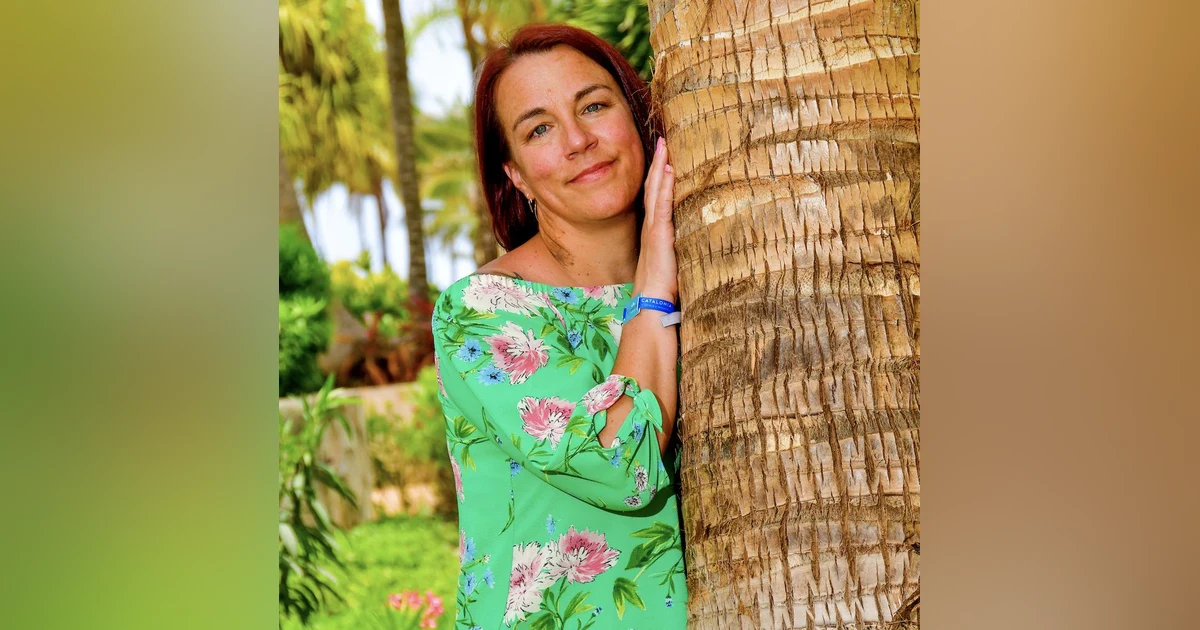
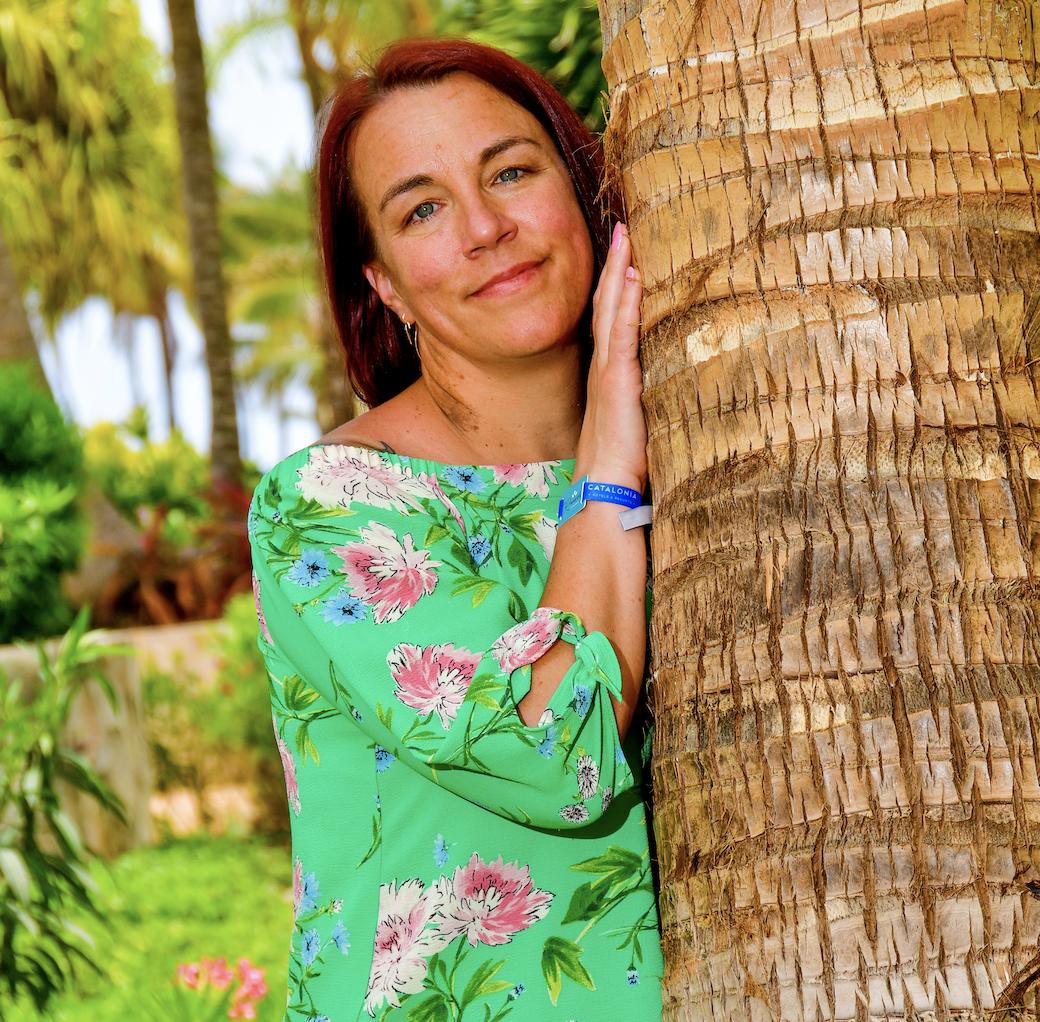
 This episode I sit down with Vesta Hurlbutt, a cardiac cath lab x-ray tech, functional nutritionist, and host of the Open Heart Healing podcast. This conversation becomes a unique blend of medical insight and personal storytelling, centered around Myocardial Bridges and the power of advocacy—both in the hospital and in life.
Vesta offers behind-the-scenes perspective on what happens inside the cath lab, what patients should expect, and why self-advocacy is critical in a system that often overlooks certain heart conditions—especially in women. She also shares how her own healing journey led her to launch Open Heart Healing, a podcast about emotional transformation, self-love, and reclaiming personal power.
We'll also explore how their chance connection at a podcast convention turned into a powerful reminder that there are no coincidences—just timely, even serendipitous conversations waiting to happen.
IN THIS EPISODE:
-What really happens in the cardiac cath lab
-How myocardial bridges are identified ( and often dismissed)
-The importance of IVUS and other imaging tools
-Tips for patients prepping for a heart cath
-Vesta's journey from healthcare worker to holistic healing advocate
You can learn more about Vesta:
-Host: Open Heart Healing Podcast
-Email: vesta@vitalitywithvesta.com
-Instagram: @openhearthealing
Chapter Timestamps
(00:00) Myocardial Bridge and Heart Health
(13:42) Cardiologists Discuss Heart Bridges
(18:39) Advocating for Heart Health Awareness
(22:32) Healing Through Holistic Health Perspectives
(31:01) Journey to Heart Health
Order Imperfect Heart: Stories of Myocardial Bridges - Available on Amazon
Men have chest pain, women do not. Not always, but most of the time. These are different symptoms. And that's for any kind of heart stuff. A lot of the research has been done on men thinking women are going to react the same way. And it's not the case. That's why I think it's so important that you advocate for yourself. And if you're not feeling well, if you're having chest pain and you go to urgent care and they're like, oh, you're fine. If you're not feeling well, you definitely need to advocate for yourself and be like, okay, I just need to know.
SPEAKER_01Welcome to Imperfect Heart, a place for you to join me, Jeff Holden, in conversations, discussions, and dialogue about our hearts and the impact myocardial bridges have on them. We'll talk with healthcare professionals, those in related fields that support our condition, and others just like us with stories of their myocardial bridge experiences. It's my intention for this content to inform, educate, entertain, and even motivate or inspire you in your personal journey on dealing with a myocardial bridge. Most importantly is to have you leave each episode with hope, knowing you're not alone and that what you're experiencing is real. Just a quick reminder before we get started that the book is now available at Amazon.com, Imperfect Heart, Stories of Myocardial Bridges. Buy it for anybody who doubts that this condition is symptomatic. If you've been listening to many of our episodes, you know this program has always been about more than just the medical side of heart conditions. It's about the unexpected connections, the so-called coincidences that remind us none of us are walking this path alone. Let's call them serendipitous interactions. Today's guest is a perfect example of that. Vesta Hurlbutt and I crossed paths through podcasting, only to discover a surprising common thread, the reality of living with and working around myocardial bridges. Vesta isn't just a podcast host, she's an x-ray tech in a cardiac cath lab, someone who sees the heart up close every single day. She's also on her own deeply personal journey, one she shares through her podcast, Open Heart Healing, where the focus is on opening the emotional heart, not the physical. She's a functional nutritionist, empowerment strategist, single mother, and she's helping those who have forgotten their power and want it back. Her podcast is all about rekindling self-worth, self-esteem, and cultivating self-love. But back to that cath lab experience. In this episode, Vesta and I talk about the power of advocacy in the medical system, what really happens inside a cath lab, and what you can expect when you arrive to the cath lab. It's a conversation that blends science and storytelling and provides hope that we are making progress. We now know there are doctors in the Hawaiian Islands that understand our condition. Vesta Hurlbut, welcome to Imperfect Heart.
SPEAKER_00Hi, thank you for having me.
SPEAKER_01So for frequent listeners of the program, they know that my journey has been I guess I would say blessed with what might be uh considered coincidence. Uh the cardiac surgeon, the cardiologist that first saw me happened to come into the podcast studio two days with another client prior to my heart attack. Which was uh crazy. And people go, wow, wow, that's really amazing. Uh recently I have one of my closest friends talking to me about some symptoms. He's not feeling well, and I've been telling him, you got to get it checked. He starts going down the path in about nine months worth of checking. I said, You know, dude, you you sound like one of us. You sound like you might have a bridge. He's like, Oh, I can't be. I mean, these are supposed to be rare. I said, Well, no, a lot of people have them, they're just not symptomatic. And he goes, Okay, well, he goes to the to his cardiologist and he says, Look, I need the CT angiogram with contrast because that's supposedly the non-invasive standard that will tell us if I have this thing. Sure enough, he gets it, he's got a bridge. My best friend. And and he does an episode with us. It's Mark Davis, for those of you who haven't heard it. Mark Davis has a good friend who is also a friend of a neighbor of ours. And they start talking, they go, gosh, you know, you guys all have these heart issues. Well, Janie just had surgery and she had a bypass and she went to Stanford for something. We don't know what it is. So I reach out to Janie. Hey, Janie, what what's your deal? What happened here? You know, kind of just curious. Uh oh, I have this thing called a myocardial bridge. And I'm like, you've got to be kidding me. What people will call coincidence just keeps occurring and occurring and occurring. And and now I can't wait to share the story of our meeting. Obviously, we do podcasts, and I love podcasting. And I'm going to this podcast convention in Dallas a couple weeks ago called Podcast Movement. It's the largest international podcasters convention. And we get the list of attendees, and I'm searching through the attendees looking for anybody that might have anything to do with you know medical heart conditions or whatever. And I see this program called open heart healing. And I'm thinking, awesome. Oh my gosh, there's actually somebody here that's got a program about you know open heart surgery and the healing process. This will be fantastic. Well, I I reach out to you and we're talking, and I realize this has nothing to do with open heart, literally open heart healing. Your program is more about mindset and life and oh boy. I well, let me have you explain it. Tell us a little bit what open heart healing really is.
SPEAKER_00My podcast is about how it's my journey. I say how I opened my own heart. I was very shut down. I felt very stuck in my life. And I've always been, you know, I feel like so many people are searching for, they're on that journey looking for like, I want more. And I thought everybody was doing that in their own brain. Like, there's more for me out there, but I can't figure it out. And I, but I was so closed down. And so my open that my open heart healing is me learning that I'm responsible for opening my own heart and allowing love and kindness and all the good stuff in and out. When I let it in, it pours out of me. So that's what my podcast is about. It's about my journey. And I have guests on there who talk about it. Because I think it's really important, even for health, it's really important that you find that you're that you can open your heart and you can talk to people. And, you know, I I lost my dad not that long ago. And in his older years, he definitely opened his heart way more. I saw him cry more. And you don't have to cry to have an open heart, but he just loved, he just loved so much. He loved so much. And I think that that's the journey for my open heart healing podcast. But I the reason I call it that is because I work in a cath lab all day, every day. So I liked the the play on words because I work physically with hearts all day, but it's the metaphorical me opening my heart.
SPEAKER_01And the beauty of all that is here I am hearing the story about really this is a one person's life journey about being more transparent and authentic and learning how to relate differently. Come to find out, in my initial disappointment, darn, you know, this is I bet it was. Yeah. It's cute. Well, maybe there's something here. I don't know. It's a and I do think there is for some of our listeners who are in that space who know that being more transparent, being able to open up, will help them in their healing journey as well, literally, as they go through the process of diagnosis and surgery and whatever the outcome is for their myocardial bridges. But as we continued the conversation, I said what I do, and you said myocardial bridge before I did. And I thought, well, wait a minute. Wait, what? How did you know this? And then we go on to have this conversation back to the no coincidences about how you are an X-ray tech in a cath lab and that you see this all the time. And that it really it's not that unusual to you. And I'm you know smacking myself up against the head on how many people are going to listen to this and go, I can't find a doctor to accept the fact that I've got a bridge that could be symptomatic. Let's talk a little bit about that, because I think what will help people understand from a perspective of somebody who's in that cath lab every single day doing things with hearts and working with doctors who are very, very specialized to the heart. What is it that you do? What does an X-ray tech in the cath lab do?
SPEAKER_00Yeah, so when you get to me, the that means you're having there's there's a reason that you get to the cath lab. There's it could be a stress test, it could be a heart attack, it could just be chest pain. But you come when you get to the cath lab, you come in and we take pictures of your vessels. It is the there's nothing that will tell you more concrete evidence on whether or not you have blockages in your heart when you come to the coming to the cath lab. It's the most concrete test. We take pictures, we look, we take, we move the camera around, which is what I do, and I scrub in with the doctors. And if you need a stent, we put a stent in. Which sometimes we yeah, we've had this conversation.
SPEAKER_01Do it right here so everybody knows we are not advocating or thinking a stent might be an appropriate situation for a bridge.
SPEAKER_00Correct. Actually, every cardiologist I've ever worked with would not put a stent in a in a cardiac bridge for a myocardial bridge. And that I've worked with a lot. I have been at, I think, five different hospitals. One of the hospitals I worked at, I worked with 25 cardiologists. So it's I've worked with quite a few, and I that is not a standard of practice for physicians to put a stent in a myocardial bridge. But like if you have an actual blockage at that moment in time, we will put a stint in that blockage in any vessel of your heart.
SPEAKER_01Okay, so so back to the the process, you you actually are putting the the stent on the wire, yes?
SPEAKER_00Absolutely. Yes. So what happens is the doctor, because you don't want to go in and out. So we'll put a sheath in the arm or the leg or the groin, and then you go in with a catheter, and then the catheter sits there and you put a little tiny wire in the heart, and then I load everything on the wire and take help take the pictures and inject the contrast and whatever the doctor. Whatever, obviously, it varies by physician because some physicians are super independent and some physicians are a little more they need a they will they like a little more help from the tech.
SPEAKER_01In real time, are you speaking with them about things you might see?
SPEAKER_00Oh, 100% of the time. All the time. Yep. And sometimes doctors, a patient will come in and they're and they might feel chest pain on the table and they'll they'll say, We don't see anything. Do you d does anybody else see anything? And even the dare I say, grumpiest of physicians, even they're open to listen. I have never been with a doctor who won't, you know, and and I'll be like, Do you see that? Is that it? And I you work with some physicians and they're just they don't rely on you, but they they're just so comfortable with you, and they'll they'll say, Does anybody else see anything? Because does that look okay? Or what do you what do you what do you think about that LED? And that all the physicians listen, and it's a team. It's a team. There's nurses, there's techs, and there's physicians, and we are a team.
SPEAKER_01So for the benefit of somebody who's doing this the first time, obviously there's a lot of anxiety. Walk us through what happens. I'm I'm the patient. I come into the hospital, I know I'm that I'm going into the cath lab. Start as soon as I walk through the door. What what happens all the way to conclusion?
SPEAKER_00So you're gonna come to the hospital, you're gonna go to probably the admissions area, you'll get in a gown, you're gonna get IVs, you're going to get, depending on the physician, some physicians, depending on what you're coming in for, I'll say. I work with a physician right now, almost every single one of his patients gets preloaded with plabox or something, but he has a different lineup of patients than everyone. A lot of times his aren't diagnostic, and we know that going in.
SPEAKER_01The blood thinner.
SPEAKER_00Yeah. That way, because they like he likes his patients preloaded. And so then you're gonna come into the lab. You're wide awake, you're scared, and I always say this is the face you get to see in the calf lab. And I also always I have a few things I say. One of the things I say is that I'm sorry that this is the play, this is the face you see when you're scared, but it is so normal to be scared, but we are gonna take really good care of you. That's what I say every time. And I mean it from the bottom of my heart. We do, we do everything to make sure you're comfortable. But I also have to say, like, you also have to be your own advocate sometimes, because sometimes patients just grin and bear it. And, you know, if you're in a lot of pain, we we need you to speak up. No, you know, you don't have to yell or whatever, just be like, ooh, ooh, and we're gonna be like, ooh, what's wrong? And that's what we do because we want you to be as comfortable as you can. So then the physician will come in. We're we're setting you up. And when I say setting you up, this is probably the scariest part. If if it was me, I think this is probably the scariest part because there's four of us at minimum, and we're we're hooking things up, we're putting you on monitors, we're talking to you a little, we're talking to each other a lot. There's a lot of stuff happening. We always say, we're like a pit crew. You come in and we come in, we all just get together. Because you also have to think, sometimes people come in and they're blocked, they have a block 100% blockage and they're like literally dying on the table. So we have to go really, really fast if we want to get that patient to live, right? So they so when you come in, so we're kind of like a pit crew, and it's a probably a little bit overwhelming. We're also covering you with drapes, you're wide awake for all this. So then the doctor will come in, he'll do a timeout, you know, right patient, right time, right procedure type thing. And then we give you medicine and you get to go to sleep. And then most of the time people don't remember anything, but there are other things we get access. If you go in the wrist, we give this radial cocktail, we call it, and it, you know, it's a vasodilator, so that makes the catheters go up and down the arm a little bit easier. And so, but it hurts, and people sometimes, you know, it's so, I mean, and then we start the procedure. We go in different catheters for different vessels, and then we take pictures and then assess, and then then it all varies from that point on. Every patient is different and every patient is special. But you have to be your own advocate in every aspect of the medical field because there's a lot of it is driven by, you know, insurance. But I'm gonna tell you if you we tell you you don't have blockages, that's the best thing you could ever hear.
SPEAKER_01Right. And I want to repeat something you said. There's three things. Every patient is different, every situation is unique, and you have to advocate for yourself. And I cannot stress that enough because what you may read, what you may hear, what somebody may have said, that's all good information, but that's not you. And and remember that you are unique to yourself, and there is no situation that's identical to what you're going to experience and or what your outcome is going to be. And yes, you always have to push and advocate for yourself, especially in a condition like this where it's uh seen more often than not as benign or asymptomatic. So for somebody with a bridge, you're saying, please look for this. This is what I'm concerned about. These are the things I'd like you to test. And uh something else that we we had talked about a little bit earlier, in in our space right now, the uh gold standard is really what is called the provocative test, which includes you know, and the acetycholine uh test and then the debut mean challenge, which is stress test, and then iVUS, which is the intravascular ultrasound. Your system, your hospital system there does the iVIS testing, you don't do the other two, which is fine because we're still getting ourselves in a good spot by identifying it that way. Tell us a little bit about what that is, because people hear the ivus, ivus. Oh, what is this? There's a camera in my line, my veins and arteries, and I don't know what's going on, and they get scared.
SPEAKER_00Yeah, it's just for me, it's so simple. It's actually more simple of anything we do. I just put the little ivas, it's so small. I don't even know how big it is. It's so small. You put it on that YR I was talking about that we put down in the heart, and you just watch the iVis and you can see. And I honestly, we often do not ivas a bridge because when you take a picture of the bridge or of the vessels of the heart, you can see the bridge almost every time. And if somebody said, Oh, I think I have a bridge, they would they would ivas. I'm I'm sure. I don't know. I can't like speak for everyone, but I most of the physicians I work with are pretty, you know, like, oh yeah, we'll do it, just to just to see. But most of the time you can see it. It's like it's pretty cool on a science nerdy-based thing. Like you look at it and it like almost like blinks at you. It's like all the vessels are full and the the bridge is like blinking, you know.
SPEAKER_01So it's a little bit skinny, it's a skinny little part.
SPEAKER_00Yeah, yeah, but like in and out, and you can see it. And it's it's very cool. And I've seen it done on IBIS. And the other tests they probably do in the hospital and just not in the cath lab. So I mean, it's pretty as far as a bridge goes, we almost always see them ease pretty easily because it's usually on the LAD and it's pretty usually pretty big.
SPEAKER_01So yeah. And that's something I'm really thrilled to hear, almost shocked, because in so many cases we'll have doctors say, oh yeah, well, we may see it, but dismiss it immediately, or no, we don't see it, or see it and not say anything, which it's the most disturbing part because they see it as a benign condition. Uh and so it's not your problem. Yet, in fact, oh cool, yeah, we knew about it, but we just didn't say much, or we minimized the evaluation of the fact that you have it. And of course, we know for a fact that for some people that bridge can create havoc in their life all the way to including you know sudden cardiac death through a heart attack, because the bridge can cause blockage upstream. And then you have a problem. Or it could even cause ventricular tachycardia into flutter because the heart's trying to catch up with the lack of blood because the vessel's constricting. Maybe it's endothelial dysfunction for lack of better descriptions of other things. And then you have these ischemic issues. So you you get to see all that. I do. Just incredible. In an overall estimate, put you on the spot here now. I'm I'm going to do that, and you can say no if you don't. Just roughly how many total have you done, let's say, in a year? Not not anything with the bridge, but just you know, cath lab patients.
SPEAKER_00Oh, cath lab patients. When I was I was at a place in West Virginia for nine years, I just actually uh randomly I because I was in Baltimore and then I went to West Virginia and I posted on on Facebook how many cases we did because it was so overwhelming to go from not that many to so many. We did 40 cats my first day in West Virginia.
SPEAKER_01Oh my gosh.
SPEAKER_00So, however, that's because I so West Virginia, there's a lot of well, it's it's a very special state. And if you haven't been there, I'm so sorry for you because it's very underrated. I mean, I'm in Hawaii now, but it's still very underrated. It's beautiful anyway, but there's a lot of obesity, a lot of very, very unhealthy people. So we calf a lot of people. And a lot of um old like coal miners with the black lungs, stuff like that. So we do calf a lot of people. Yeah. And so yeah, however many that I adds up to, I used to say we do anywhere from 30 to 50 calfs a day.
SPEAKER_01My goodness. So you have seen a lot. And then in Hawaii now, roughly, what do you do on a daily basis?
SPEAKER_00Not that many. Well, yesterday we did five. The day before we did four. And it varies, but I do uh I'm in a very small hospital now.
SPEAKER_01And you're on the island of Oahu, right?
SPEAKER_00I'm on Oahu. I'm on probably the in I'm at the probably the smallest hospital here. There's two here in Kuwa Kini that are pretty small. Yeah, so we only have two labs and we do a lot, we do other things too. We do IR, and what we used to have EP, we did EP too. So it's not just CAT. So we have five card four, one just retired, four cardiologists that we work with.
SPEAKER_01If you were to guess just from your Hawaiian experience in the time that you've been there, or maybe even just in the last year, roughly saying there's even if we just average it three a day, fifteen a week throughout, is there a percentage you could say that you you've seen a bridge?
SPEAKER_00Oh, a percentage? It's not that many. If I was in West Virginia, I would say I saw them weekly. Oh my god. Because that was, you know, that's you know, a lot more cats. But I would say, I mean, I would say this year I've seen at least three.
SPEAKER_01Okay.
SPEAKER_00You know, I mean it's not and like I said, we don't do a whole lot of cases, so it's you know, it's not like a super high volume.
SPEAKER_01I I'm laughing because I hear some exotic bird behind you.
SPEAKER_00I would like to say sorry, but I'm not. It's a beautiful little area.
SPEAKER_01I love it. And what I'm really happy to hear is for the listeners that we've got in Hawaii, which there certainly are because you know such a percentage of us has a myocardial bridge and some percentage is symptomatic and that's going to translate into Hawaii just as well as it does any other state, that uh there is recognition. And I'm sure that if it is in your system in Oahu, the same hospitals that are contracted with that system on the other islands are going to have the same familiarity and the same awareness. And that if you do have the condition and you're going to the hospital systems in the Hawaiian Islands, the odds are pretty good that if you have a bridge, somebody's going to at least they will at least listen to you to the point of understanding.
SPEAKER_00Yeah, I I think physicians are sometimes they're very difficult. Sometimes they're very stuck in their ways, as we all know. You know, part of the reason I'm even here is because my some of my struggles with Western medicine, I don't want to say my struggles, but you know, I feel like we have a lot more responsibility in ourselves to take care of ourselves, but we also have to be our own advocates. Like that is the biggest thing I can say in all this. You know, if you think something is not right and you really feel that in your heart, like deep down in your intuition, you know, and there's such a vast thing. Like men have chest pain, women do not. Not always, but most of the time. These are different symptoms, and that's for any kind of heart stuff. A lot of the research has been done on men thinking women are gonna react the same way. And it's not the case. That's why I think it's so important that you advocate for yourself. And if you're not feeling well, if you're having chest pain and you go to urgent care and they're like, oh, you're fine. If you're not feeling well, you definitely need to advocate for yourself and be like, okay, well, I'm gonna go and I'm gonna take, I'm gonna, I just need to, I just need to know. And that's okay, you know. And it and some people might even, like some physicians might even huff and puff, but they're gonna, they're gonna do what they have to do. They always do. I have never met a physician in my life who disregards a patient completely.
SPEAKER_01Well, you have worked for some wonderful physicians because if you could hear some of the stories of the people that communicate with me some of the frustrations, the just the sheer dismissal, mostly women. And honey, you're fine, it's stress, it's the kids, it's your husband, it's your job, it's your house. You name it. And this occurs with almost every woman I speak with to where their challenges of getting recognized are far more difficult than it is for the guys. And yes, you you have to advocate yourself, advocate for yourself, and it's so frustrating on this end to know we're all the same. We're all humans. There isn't a difference in uh a proper diagnosis for somebody, and there isn't a difference in an understanding. There's a difference in treatment for sure. But if you have this, we need to recognize it, we need to accept it, and we need to help you in some way, shape, or form to the best of our capabilities, to what will work. So I I love hearing what you're saying. And I also do agree with you, and I think we're gonna do a couple of episodes in the next few months coming up where we're talking to nutritionist and an incredible doctor that is now known as the pain doctor, who was uh one of the staunchest advocates for the medical pharmaceutical side of things. Who has now since retired and started a wellness institute that is 180 from where he was, and he will be the first to say I was wrong. He was treating all this stuff medically. We should have been looking at holistic things that we could have done. And not that there aren't some cases where you know medicine is appropriate, but oh a hundred percent.
SPEAKER_00That's and I I hate to put a damper on what Western medicine. I work in there, it's my it literally is my livelihood. But I think like so often they're like you just get a pill. But I I became a health coach because I was like, I think people can heal themselves in way more way more instances than they cannot. But that does not mean Western medicine is isn't there for a good reason. Like they are there. And we, you know, we just everybody, not everybody, so many people want a pill and that like the quick fix and the easy fix. And even sometimes I'm okay with get the quick fix so you can find the core root of what is wrong, and then work on healing yourself, you know, like the high, like a high blood pressure, most of the time that can be fixed without a pill. But I if it's high, you're gonna need a pill for a while because that can cause a stroke. You know, you don't want, you know, it's so it's a it's a balance, and that's that's why, you know, learn there's so much information you can learn about what you can do or whatever, you know, how like your own causes. I think root cause of things is so important.
SPEAKER_01Yeah, and your own well-being with cholesterol. We know how to minimize that. You don't have to take the highest dosage of at Arvastatin to, you know, or Lipitor or whatever your your drug happens to be. Right. You can minimize some of that just by diet and and weight and exercise and all the things that we know, not smoking. I mean, those are all the those are the three questions right out of the chute that the cardiologist is going to ask.
SPEAKER_00Every time, every time. Cardiologist, then your nurse, then your, you know, because I I can't tell you how many times I've said desmoke. You know, I mean, like, because it's such a, you know, a lot of times we are the ones who ask the questions that need the answers.
SPEAKER_01Yeah. And that is the number one worst, and then obesity, and then of course, you know, high cholesterol and exercise. What do you do?
SPEAKER_00Yeah.
SPEAKER_01Yeah. Anything. You have been wonderful in in the description. I feel a little bit of Hawaii as we're talking here, just you know, looking at you and looking out that window and hearing the birds. I hope everybody else feels some of that calm. But we didn't get into the specifics of open heart healing. Now that people have an understanding of you, they have a comfort level of where you're coming from. Tell us what somebody could expect if they listened to an episode, and then where do we find it?
SPEAKER_00You can find it on any any place you listen to your podcast. My podcast is there. It's called the Open Heart Healing Podcast. And if I was going to suggest that you listen to any episode, it's episode number two. My son interviews me. So it's the best episode. He's 22 today, actually.
SPEAKER_01Today's name?
SPEAKER_00Yes. His name is Blaze.
SPEAKER_01Blaze, happy birthday.
SPEAKER_00Yeah. My sweet baby boy. No, the the origin story of my podcast is I was doing a mastermind because I, you know, as much as I like this job, I don't want to do it forever. I'd like to be able to just travel. I don't like to feel stuck. And that is the epitome of me. A hundred percent. It will be so I smoked cigarettes for way too long before I before I knew better. You know, it kind of sort of. I went to x-ray school when I was 28, got a job in the hot in the cath lab when I was 30, and I've been doing it ever since. And I quit smoking pretty much right away, almost, you know, because I'm like, oh, that's the dumbest thing you could be doing, which I kind of knew, but anyway, so but I felt stuck to the cigarettes. I, it's just this weird, I don't know if other people feel that way, but when I realized the stuckness was actually inside of me, and there's still mo I still have my moments, you know. I'm just saying, but it's really inside of me. So then I just start doing this heavy, hardcore learning about myself. How can I be better? Not be better. How can I, how can I be happy more often, right? I just want to be happy, I want to feel free. You ever go like swim in the ocean, swim in a pool, and you just feel light and completely just weightless. That's like the best feeling in the world to me. And I feel that most of the time in my life, in the water, out of the water. So, but I had to learn tricks and tools and figure out that who I am is exactly who I'm supposed to be, and I have to be okay with that. And am I perfect? Absolutely.
SPEAKER_01Right.
SPEAKER_00I'm perfectly imperfect. It doesn't matter who I am is perfectly who I'm supposed to be. Do I make mistakes? Absolutely. Do I learn from them? I try my best, you know. And so that is what my podcast is. I there's I do their weekly now. I originally started it every other week, and it says that in the bio, like it's gonna be bi-weekly. I have so many guests. I have so I've been doing it for a year and a half, and it is I love it. I it's my livelihood. I do one solo episode every month. There they they tend to be everybody's favorite, but yeah, I I love the interviews. It gives me a lot of a lot of things to think about, and I love to hear other people's stories and just you know, everybody has something that you know, you feel like sometimes you I don't know, maybe I maybe it's just me, but sometimes I feel like I'm not that special. I'm just me. And then, but that's really your superpower, is I'm just me. There's nobody else like me. And earlier when Jeff asked me about my to say how to say my last name and it's Hurlbutt. My name is Vesta Hurlbutt, and I was like, I'm the only one. Yes, you know, and but no matter who you are, you're you're you, and that's your superpower. And if that's what my podcast is about.
SPEAKER_01And I think we will have some people check it out because of the journey. You know, this is a a life-altering journey when you realize maybe you did think you were perfect. Well, you have an imperfect heart, I'm sorry to say.
SPEAKER_00And that's okay.
SPEAKER_01And it's okay, it makes you uniquely you.
SPEAKER_00Yeah. And honestly, I if you I'm on Instagram, that's where I do most of my stuff. I also have email. It's Vesta at VitalitywithVesta.com. If somebody's listening to this and you're about to have a heart cath and you need to be talked off the ledge of what you're expecting and you're so scared, just reach out to me. I I don't care. I'll shoot you a message. I'll tell you what what to expect and to take a breath and everything's gonna be everything's gonna be fine. And I will say, as staff members, we tend to talk a lot above you. If you feel un ever, you know, and not above you, but like almost like you're not in the room.
SPEAKER_01It's a language, yeah. You're you're like where you who are you talking to?
SPEAKER_00Right. And it and a lot of times I'll say to my patients, I'll say, we're just having a conversation. If you want us to stop, just tell us. And then that is, you know, whatever we can do in the lab to make you feel more comfortable, everyone's gonna do that. So just, you know, we're all just humans. And sometimes we we're just doing our job, and we don't want you to feel like we're just doing our job. We want you to feel welcome and comfortable and safe. So that's really important to the study.
SPEAKER_01And I will put your handles in the show notes as well for people to know where to reach out. Okay. And I really appreciate that offer because I think you will get some takers who want to go step by step along the way. And the more information they can get, the more comfortable they'll feel, the more likely they are to move forward with the process to a better quality of life.
SPEAKER_00Yeah.
SPEAKER_01You know, we've we've seen people scare themselves out of living well.
SPEAKER_00Right. And that's the last of the that's that that if you're afraid and you're not living your best life, then you need this podcast and my podcast.
SPEAKER_01Well, Messa, thank you so much for taking the time to demonstrate the value of transparency through your podcast, if if nothing else. You know, the value of connection in spite of what might have been an easily dismissed situation. I mean, I I could have walked away once I learned your show was nowhere near my space yet.
SPEAKER_00I almost didn't respond because it's not near my space.
SPEAKER_01Right.
SPEAKER_00And then I was like, you know what? You know, if nothing else, I can just have a conversation, you know. So I was kind of like, you know, so that's how because I was like, do I respond? Because we're we are far apart as far as podcasts go. Yeah. So I thought the same thing. I'm here for networking, I'm here to meet people, and I know a little bit, obviously, but I was like, can't hurt.
SPEAKER_01Yeah. And we we both could have, but didn't. And again, there's there's reasons for that. That it's it's fortuitous, it's universal. I don't, I really don't believe in the coincidence thing. I think it's all meant to be. When it happens, it happens for a reason. So here we are having a conversation. I know we will help people both ways, multiple ways, may help people even without the bridge, you know, the spouse of or significant other of who's dealing with it, or somebody who just happens to be in the same space that you were when you started your podcast, looking for something better, knowing that, oh gosh, I have this issue, this physical issue, but I also have this, you know, mental emotional mindset issue as well that yeah, maybe there's something there that could help me accept this other journey a little bit easier.
SPEAKER_00Yeah, yeah. And, you know, and there's different health methods to, you know, with eating healthy and trying to eat a more heart-healthy diet. That's we talk about that on the podcast sometimes too. So, you know, there are there are a lot of things.
SPEAKER_01I did notice you have a fair number of doctors, which I'm sure are coming from your you know, your circle of influence.
SPEAKER_00Yeah, I hope so.
SPEAKER_01Yeah, yeah, that would be great. Yeah. Well, Besta, thank you so much. I appreciate what you've done from the bottom of my imperfect heart. I sincerely appreciate what you've shared with us today.
SPEAKER_00Thank you so much for having me. It's been really fun.
SPEAKER_01Thank you for listening to Imperfect Heart. It's my hope that this information helped in some way to improve your situation or will help you better understand this condition. More importantly, that it gives you hope through stories that there is help and you most certainly are not alone. If you've been diagnosed with a myocardial bridge, please be sure to join the private Facebook group, Myocardial Bridge Support Group. For more information about our program or to reach me directly, visit the website myimperfectheart.com. If you like what you heard today, please give a positive review, thumbs up, high five, whatever your app likes. And be sure to share with everyone important to you so they understand what it is you're dealing with. Please subscribe as well. Welcome each day with gratitude and positivity. The views and opinions expressed in this program are solely those of the host and the guest and are not intended to provide, nor are they a suitable substitute for professional care by a doctor, therapist, mental health professional, or other qualified medical professional. Imperfect Heart is a production of Hear Me Now Studio.


