
Episode 57: How Pain, Perseverance and Prayer Led to Successful Robotic Unroofing.


 RSS Feed
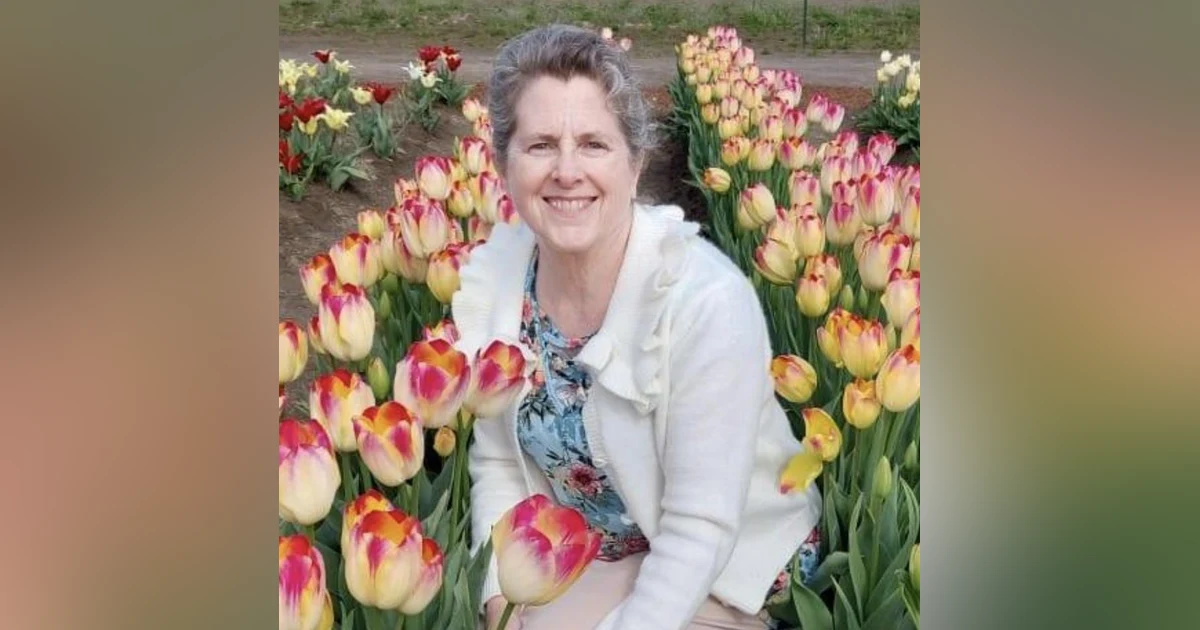
 What if facing a serious heart condition could be your turning point towards a more empowered life? Join us as we uncover the extraordinary journey of Teresa Raisanen, a woman who transformed challenges into triumphs. From the mysterious chest pain in 2012 to the life-changing diagnosis of a myocardial bridge in 2024, Teresa's story is one of courage, persistence, and the relentless pursuit of clarity in the face of daunting medical challenges. Discover how her determination and self-advocacy paved the way to finding the right specialists who would ultimately guide her to recovery.
Embark on Teresa's incredible path as she navigates the labyrinth of healthcare systems, insurance hurdles, and the pressing urgency of her condition. With the compassionate expertise of Dr. Blair and the logistical support from her husband's airline benefits, Teresa's journey to Houston to meet with Dr. Danny Ramzy for specialized care, is a testament to the power of informed decision-making and resilience. The episode paints a vivid picture of the emotional and physical trials faced by patients seeking timely and effective treatment, spotlighting the critical importance of proactive advocacy in healthcare.
As Teresa emerges from surgery, her journey doesn't end—it evolves. This episode highlights the profound impact of support systems, from family and friends to fellow patients like Gabby, illustrating the healing power of community. Teresa's recovery underscores the unique challenges and triumphs post-surgery, emphasizing the necessity of effective pain management and enduring patience. Her story is a beacon of hope, inspiring listeners to prioritize their health and embrace the possibility of recovery, no matter how formidable the journey may appear.
If you would like to purchase the book, Imperfect Heart, click HERE
Chapter Summaries
(00:00) Heart Condition Diagnosis and Advocacy
Teresa Raisanen's journey with a complex heart condition, diagnosis of myocardial bridge, self-advocacy, and finding a suitable doctor for treatment.
(09:21) Medical Journey With Life-Changing Diagnosis
Dr. Blair's expertise aids in identifying severe cardiac issues, while logistical challenges arise in scheduling consultations and tests.
(22:21) Recovery and Support After Surgery
Self-advocacy and caregiver support are crucial during medical procedures and recovery, along with effective pain management and shared experiences with fellow patients.
(36:29) Navigating Cardiology Referrals and Treatment
Proactive advocacy and knowledge are crucial in navigating cardiac care, including seeking out specialists and understanding conditions like endothelial dysfunction and myocardial bridging.
(41:43) Road to Recovery and Inspiration
Recovery from endothelial dysfunction takes patience and medication, as shown by Teresa's inspiring journey of healing and prioritizing quality of life.
We don't know when our time is, and we don't have control over that. So if it was meant to be that I made it to the surgery date and made it through all that, then that was God's will.
SPEAKER_01Welcome to Imperfect Heart, a place for you to join me, Jeff Holden, in conversations, discussions, and dialogue about our hearts and the impact myocardial bridges have on them. We'll talk with healthcare professionals, those in related fields that support our condition, and others just like us with stories of their myocardial bridge experiences. It's my intention for this content to inform, educate, entertain, and even motivate or inspire you in your personal journey on dealing with a myocardial bridge. Most importantly is to have you leave each episode with hope, knowing you're not alone and that what you're experiencing is real. Just a quick reminder before we get started that the book is now available at Amazon.com Imperfect Heart Stories of Myocardial Bridges. Buy it for anybody who doubts that this condition is symptomatic. Most of us have been there. We went from cardiologist to cardiologist looking for a solution to our symptoms. In many cases, as our condition deteriorated, we became more and more concerned, even fearful of our fate. Our guest today was no stranger to traveling to where she needed to go to get done what she chose to do. Her interventional cardiologist was a doctor whose name we've heard before. Dr. Blair, who traveled from University of Chicago to Washington State. He performed her provocative test identifying the details of her myocardial bridge. She then did her homework and decided robotic surgery was going to be best for her, and ultimately, Dr. Ramsey in Houston was the choice. Waiting for surgery was the most stressful for her as she continued to deteriorate to the point of wondering, praying that she would make it to her surgery. Her faith helped her hold on, and I know she's thrilled to share her story, and I'm thrilled to hear it. Teresa Raison, welcome to Imperfect Heart.
SPEAKER_00Thank you. I'm glad to be here, Jeff.
SPEAKER_01Boy, what a story we've got to tell. I recall a conversation we had some time back. Oh, once you had finally decided on how and where you were going to get your surgery done, that one of your fears, once you had that date set, was you weren't sure you were going to make it to surgery. Yeah. And part of that was because the condition had deteriorated. You were unable to do so many things that you were previously be able to do. And I can't wait to get there, but for the benefit of people listening, let's take a step back and have you share what really started this whole process. And I think if I'm not mistaken, it was back really in in 2012 when you had your first incident, right?
SPEAKER_00Yeah. So I woke up in the middle of the night with terrible chest pain, and my husband rushed me in and they kept me in overnight with a nitro drip, all that stuff, and did an angiogram the next morning and said, Well, we don't know what it was, you know, because everything looks clear and they sent me on my way. But it had to have been that. They did mention something about vasospasms can do this, but they didn't really allude to anything that would be causing it. They just figured that it was maybe medication. And so they changed my medication a little bit. But then last May of 24, my husband and I do a lot of walking in the evenings. And I had been fighting with heartburn for months on end and feeling like I was really short of breath, blamed it on my asthma. And we were walking and it got really, really bad. And I was like, my goodness, you know. So I stopped. And then when I stopped and it eased up, I'm an RN. And so I knew that it wasn't heartburn.
SPEAKER_01So then you can't induce heartburn and regulate it that way.
SPEAKER_00Yeah. So it was a couple of days, you know, I was kind of in denial, you know, I just ignored it. My husband don't be all.
SPEAKER_01We all don't want to believe.
SPEAKER_00Yeah. So he finally drove me to an urgent care and said, Why don't you just go in there and see what they say? And it was by the hospital. And so as soon as I went in, they did an EKG. And then the doctor came in right as Jean was also walking in the door because he had gone to park the car. And she looked at him and she said, Can you drive her over to the hospital? And he goes, Well, yeah, sure. And she goes, Oh, good, because if you can't, I'm going to call an ambulance.
SPEAKER_01Oh, wow.
SPEAKER_00And I was like, Oh, okay. So then we were seven hours in the ER back and forth. You know how it is since COVID. It's pretty bad. Finally got taken back after different testing, and then they'd send us back out into the waiting room. Got taken back out, talked to the doctor. It was like midnight at this point. And he said, I'm sorry, but I really can't let you go home. And I'm like, really? And he said, No, I can't. He said, it would be it would be foolish of me to do that. He said, I need to put you in. The problem with that was that the team that they normally have to do angiograms wasn't there that weekend. It's a big hospital, but for some reason they trade back and forth, I guess. So that was on a Thursday. So I was in for five days and they did different testing, you know, while I was in there, the nuclear stress, which I failed miserably, you know, all that kind of stuff. And then on Monday morning, they did the angiogram. And the doctor came in after I was back up to my room and said, It's good. We know exactly what's wrong with you. We're going to put you on medication and you'll be just fine. It's called a myocardial bridge. And they explained everything about it, which was amazing to me after doing the research, you know, that a doctor was actually telling me that this is what it is, and they weren't poo-pooing it, you know, and saying this isn't what your symptoms are from. So I felt pretty blessed with that. And we left the hospital, and it was probably, oh, a month, you know, down the road. And I thought, you know, I'm going to start really checking into things more. And so I started watching your podcasts. I watched a ton of them, you know, like every doctor, you know, and everything. And I remembered looking at maybe Dr. Balkey's and then learning about Dr. Blair. And I did a little research on Dr. Blair and found out that he had actually moved back to the Pacific Northwest. And he was up at the University of Washington in Seattle. And he's the interventional cardiologist, so he knows how to do the correct testing. So I called up there, and then I got my primary doctor to get an appointment for me to see Dr. Blair, and he's amazing, just uh incredible individual, and made me feel so comfortable, you know. Just and so then I had that testing done. In the meantime, I decided after watching your podcast with Dr. Ramsey that that was where we wanted to go for the surgery. If Dr. Blair decided, you know, that that's actually what I needed.
SPEAKER_01If we step back just a second, you're in in Washington State.
SPEAKER_00Yes.
SPEAKER_01And you're in the hospital for five days where they actually give you the diagnosis of a myocardial bridge with some medication to alleviate or at least minimize the symptoms. Right. Knowing that now the next step would be to get some sort of testing to confirm the significance of the myocardial bridge, correct?
SPEAKER_00Well, actually, when I left the hospital, I had an appointment to go to see the group of the cardiologists that I had been seen by in the hospital. And the doctor that saw me that day in office when we went for our follow-up appointment was not the doctor that had done the angiogram. And he told us that the bridge had nothing to do with my symptoms. And it was to a point where I was looking at the door, thinking, how quick can I get up and run to that door and get out of here? I was starting to have like a really bad anxiety attack, you know. And I finally just kind of sat there and I just ignored everything that he was saying. And then I said, Thank you very much. And we left, you know. So that was kind of really eye-opening because it was just the thing that everyone else was saying that was happening to them. It was just textbook, you know. And so it was like, okay, you know, this maybe isn't going to be so easy. So I really didn't get that's why I didn't have the cardiologist give me the referral to Dr. Blair. That was all my doing. I had to work at that, you know, and call his office and find out what I needed to do. And then it was actually my primary doctor that set the referral up for me to go up there. And so that's how I wound up with Dr. Blair.
SPEAKER_01Well, that's wonderful. And if that doesn't emphasize, again, the need for self-advocacy and awareness.
SPEAKER_00It's incredible. Yeah. You just have to, you have to be steadfast. You have to believe in yourself, you know, and know that this is what you need. You're the one that feels the symptoms. You're the one that has lived through all of this, you know, and it's just so black and white, really. But it takes a lot of perseverance and a lot of patience and being just ever so nice.
SPEAKER_01Yes, yes.
SPEAKER_00Get what you want.
SPEAKER_01And I want to make a point of that too, because we do see on the Facebook group sometimes, and we do see people and we hear of people who get very aggressive and understanding, we certainly understand the frustration being able to get something identified properly, but these are doctors. If you give them the respect, they're much more likely to listen when you're treating them with that respect, as opposed to you know, they don't know what they're talking about, they're not aware. Some literally are not aware, but that doesn't mean they're unwilling to learn.
SPEAKER_00Yes.
SPEAKER_01And sometimes it's on us to help educate them so we can get what we want in terms of advancement to the next step, if it's provocative test or surgery, whatever it may be.
SPEAKER_00Yeah, correct. Yeah.
SPEAKER_01Well, I I I applaud you for that, for taking those steps with the proper patience and understanding, you're going to get yourself there.
SPEAKER_00I was determined.
SPEAKER_01You absolutely were. And you were so fortunate. I didn't want to interject when you were talking about Dr. Blair, but Dr. Balke in Chicago, University of Chicago, who is is one of the premier robotic surgeons as well. That Dr. Blair was his interventional cardiologist. He relied on him heavily for a lot of the work that he would do. So you were so fortunate to have one of you know the best in the business show up in your home state.
SPEAKER_00Yeah.
SPEAKER_01How convenient was that? And I'm going to put a little plug in here for Dr. Blair. I would love to have you on the program. I know we've tried, you've helped me. I still haven't been able to get him.
SPEAKER_00I ask him every time I see him.
SPEAKER_01Thank you. Thank you. Well, now you can send him your episode at some point, and maybe he'll say, okay, the guy's okay.
SPEAKER_00He's just real, he's kind of shy, maybe. I don't know. But he is really invested in doing more, you know, even through an interventional cardiology avenue, because he even said that one day he'd like to see if there was a way to actually fix the bridge without having to have even robotic surgery to do it from uh interventional cardiologist side, which I can't even envision that, but he can. And so he's very excited about it, you know.
SPEAKER_01Wouldn't that be wonderful?
SPEAKER_00Yeah.
SPEAKER_01So you have your provocative test with Dr. Blair, who is somebody we know and trust and understand. He gets it, he's gonna do it properly, he's gonna identify what needs to be identified, and then what?
SPEAKER_00He told us that it was so bad that my blood vessel totally collapsed onto the wire that they used to, and so in the picture, all you could see was the wire. And it was a good long bit of it, you know, that, and he said, So, you know, we can try medication if you want and and see how that goes. And I said, We'll continue to do that. I said, but I would like a referral down to Dr. Ramsey. He had told me that, you know, he would refer me to anyone that I wanted to see. And so I told him I wanted to see Dr. Ramsey. So he sent the information down. They do have a doctor now, a surgeon up there at UW that will do the surgery, but it's a sternotomy. It's not robotic. And I being a RN and home care and all that, and seeing, you know, taking care of patients that had sternonomies, I was not didn't, didn't want that for myself. For some, I'm sure that that's what they need. And maybe they're more comfortable with that, you know. That's what you had. But for me, it it just wasn't something that I wanted to try and do at that point.
SPEAKER_01So and the good news, there are options today. And for the right situations, we have the robotic surgeons who can do a fabulous job of making that work. So he identified and gave you the referral to wherever you wanted to go. You chose Dr. Ramsey, and then what happened next? What and what's the timing here? Where are we now? We're toward the end of 20.
SPEAKER_00You know, I was diagnosed in May, and then I think it was maybe not until actually September that I got the provocative testing done. So after that, everything actually kind of happened really fast, which is something that they don't normally see, you know, with with that type of thing. So I ended up getting a hold of Dr. Ramsey's office and getting an appointment, but they said they wouldn't actually do the appointment until I had gotten all of my paperwork in and all of the testing done, you know, that type of thing. And they had testing that they wanted to do. And the benefit for myself is that my husband works for the airlines. And so we had flight benefits. So we were able to fly down to Houston, get the testing done, and then see Dr. Ramsey. But it was a month of calling back and forth and talking to their office and getting very frustrated, but being ever so sweet on the phone to whoever you talk to, you know, and just continuing to ask, you know, can you tell me what more you need? You know, how would you like me to send it to you? You know, that type of thing. And finally we were there in front of him and he looked at everything and he said, You're absolutely a perfect candidate for it, you know. And he said, So, you know, I want to get some more testing done, and then we'll have his assistant call to schedule surgery. So it took him a little bit to do that. They weren't gonna actually call me until like the first or second week of January. And I kept calling back to the office and I told them, you know, I've got some special circumstances here at home that I need to be able to plan this, and I'm gonna need a good bit of time to get that lined up. And I really need to know, you know, can you give me an estimate? And finally they said, well, probably the end of January. And I'm like, okay, you know, I can, and they even gave me the day then, you know, but it wasn't verified until like probably two weeks later, I think, whenever I talked to, I think her name is Lordis, is one of his assistants, and they verified that yes, that's the date. And so we started getting everything even more ready. The testing could have had it done up here, but we decided to it was gonna take too long for all the referral, you know, and the insurance and all that. And if I went down there, had the testing done at Memorial Herman, it was already all approved. So we hopped back on the plane.
SPEAKER_01Only Luckily, luckily, you have a shuttle that you can use to benefit your husband's employment.
SPEAKER_00Yeah, well, he luckily he had experience with wheelchairs because I was in a wheelchair at that point.
SPEAKER_01Meaning you get debilitated that far that you had to be in a wheelchair? Yep. Wow.
SPEAKER_00Yeah, when it started, when I started going downhill, I went downhill fast. You know, September, I was still walking around, you know, in my house. I'd get really short of breath, though. Our bedrooms upstairs. I could go up a half flight and I'd have to sit down, you know. I mean, I just couldn't, everything I walked so slow, you know. I didn't go anywhere, didn't do anything. But by the time that it came around for us to start making these trips, yeah, no, I was I was in a wheelchair. He would pull up outside the airport and get me in a wheelchair, you know, and then valet would go park it, you know, and away we'd go, you know. So, so yeah, it was, it took a lot of talking, though, to get people to let him push the wheelchair because otherwise, and that's another like little caveat for everyone, is that you definitely want to use the the wheelchair assistants that are there in the airport and let them get you through security because they can get you through a lot faster. They go around everyone, okay, and they get you right up to the front. And when you're done through security, tell them thank you, give them their tip, and then take it from there because then you need that wheelchair still, and you don't want to just be sitting in one spot and waiting on someone else. You have your person there, your husband or whoever with, you know, and we we had hours before, you know, and so we'd go get something to eat, you know, and then when we had layovers, it was the same thing. We requested a wheelchair, they brought it, they take us a little ways, and then my husband would say, you know, if it's okay, I can I can take it from here. And he'd give him a nice tip. And, you know, they were very happy to let him take the wheelchair and go.
SPEAKER_01Sure, I'm sure. And these are helpful hints from somebody who has a professional husband in the travel space that we should all heed, especially because it's it's rough. I mean, you're moving very slowly. Most of us, when we get to that point, it can be painful. You've got to stop along the way. Why put yourself through that?
SPEAKER_00Well, it's even dangerous, you know. True. Why why get almost to your goal and get carried away by the ambulance, you know?
SPEAKER_01So and to your point where we even opened the conversation, you were concerned. I I I could hear it in your voice when we first spoke. Jeff, I'm not sure I'm gonna make it to the 29th. And that was probably November, early December, yeah, before your January date. And it was, I just need to hold on. I just need to make sure I can make it to the date. I didn't realize you had been debilitated to the point of wheelchair necessity. That's yeah. Perfect case of a severe myocardial bridge. And we we can't stress enough that typically once those symptoms present, sooner's better than later.
SPEAKER_00Sometimes you just don't have much time.
SPEAKER_01Right.
SPEAKER_00You just don't. The other thing that we did was we asked my primary doctor to get a handicap placard for the car. That was invaluable, you know. I'm still using it because there are days where I'm still just not doing the greatest. You know, there's some days that are tougher. So that is another thing that is very important to get.
SPEAKER_01Now, let's let's take a little bit of a deviation here in the course of the conversation because you're in a bad situation, you you know you're deteriorating, you know you've got a date, you can see the light at the end of the tunnel. What was it that helped you get through that process? How did you manage yourself? Mentally, emotionally faith to know that it was going to be okay.
SPEAKER_00It was definitely my faith in God. You know, we don't know when our time is, and we don't have control over that, you know. So if it was meant to be that I made it to the surgery date and made it through all that, then that was God's will. But I did a lot of planning, you know, we had an incredible support from our church, you know, our friends and family. And I couldn't have done it without all of them, you know. They're like our extended family, you know, our church family. And they came and stayed here, you know, and helped take care of my daughter. And that was huge for us because she can't be left by herself.
SPEAKER_01Yeah, you have a special needs child.
SPEAKER_00Yeah, she's special needs. So yeah, and it was just knowing that whatever happened was meant to be. And knowing that God was in control and that everyone was gonna take care of things, it just yeah, it was it was huge. I I don't know how a person even goes through life without having that in their life, their faith, you know, their Christianity. I I don't know how they do it.
SPEAKER_01Well, and you you exercises, I'm hearing three Ps. You had the planning, you had the people, and you had the prayer to get you through it, yeah. Get you to that surgery.
SPEAKER_00Yeah.
SPEAKER_01So you go to Dr. Ramsey, you have your procedure, you're robotically unroofed. What's the experience post-surgery? Tell us what you went through.
SPEAKER_00I remember waking up, not in recovery. I was back in my room, and I just remember telling them that somebody needs to do something because this hurts so bad, I can't even breathe. You know, it was like, so they were scurrying around, you know, and everything. I don't remember to be honest, much about that first 24 hours. After that, I have to say that my husband was incredible because every three hours he was making sure the nurse was called and that they got in there and gave me pain medicine. And he was keeping a running log of what I had had, what I was due to have, and what time. So he knew when it was getting close and he would call them. And if it wasn't for him doing that, you know, I think that there would have been a lot more suffering going on. But he was adamant, you know. And when they'd come in and say, Oh, well, she just had so-and-so, and he'd go, Nope, here it is, right here. They'd look and and and they'd say, Oh, Mr. Raisin, and you're right.
SPEAKER_01Right, and back to that self-efficacy, you had somebody there to monitor, which is important and make sure that things are happening the way they're supposed to happen.
SPEAKER_00Yeah.
SPEAKER_01Secondly, to address the caregivers, they are so, so important in the process.
SPEAKER_00Yeah.
SPEAKER_01And whether they be a spouse or a family member, whatever, and and I will, you know, shout out to my wife, who was equally as significant in the process of healing as she was in the process of getting me, you know, into the hospital in the first place. But they are so important, and we do have to recognize the support that they give us in so many different ways.
SPEAKER_00Absolutely. Yeah. My husband's a gem, married 36 years.
SPEAKER_01So congratulations. Is it six children you have?
SPEAKER_00Yeah, six children, 18 grandchildren, and number 19 due in November.
SPEAKER_01Oh my goodness. What a Christmas party you must have.
SPEAKER_00Oh, yeah. It's awesome.
SPEAKER_01So I want to stress something that a lot of people will hear robotic. Oh, it's a piece of cake. You go in, you get out, and it's done, you're walking and running the next day. Yeah, maybe some people, it everybody's different. And again, back to the novelty uniqueness of each individual. And you're a petite woman, so even more so, maybe a little bit different in the way that it's going to feel for you because the rib cage is smaller. And again, every surgery has its nuance. Every person's experience is unique to them. And I'm glad that you shared that it was painful that next couple of days as you managed your medication and your healing process. So, how long were you in the hospital?
SPEAKER_00I was supposed to be in longer than I was.
SPEAKER_01Of course. You probably advocated yourself out.
SPEAKER_00I was ready to go back to the hotel and just let my husband take care of the pain medications because you get to a point where you're tired of fighting, kind of, because some of the nurses are good and some of them aren't so good. I mean, that's you find that everywhere. So I felt like I would be better cared for if I could just leave, you know. The trouble with that is that the oxycodone that you get in the hospital, they're not so quick to give it now, you know, whenever you're leaving the hospital. And I don't take Tylenol 3s really well. And so we had a bit of a problem with that. It wasn't actually, to be honest, until we got back home. And I went in to my primary doctor, and she is the one that gave me the script for the oxies for, oh, I was taking those for a full month because of the amount of pain that I was having. It it wasn't like I had to take three and four of them, you know, but it was just that I needed that one, you know, along with Tylenol, or and you have to really do your pain medication in a in a specific way, you know, and and people really trying to learn that is another good thing because you can take something and two hours later, you need to be taking something else. And two hours later, you need to be taking something else so that you've got on board medication, you know, because if you let it get to a point where your medication is running low in your system, you're gonna suffer. You know, at least at least for me.
SPEAKER_01I think that's all of us. You you know, there's that that buildup and maintenance that you want to continue in your system until the pain subsides and then you start to back off on the medication. So it really is important. We did have somebody I spoke with, and I remember her saying, Well, you know, I'm an athlete and I understand pain, and I'm gonna I'm not gonna take that right and with the sternotomy, I'm not gonna take that because I just don't want to take the medication. And so she didn't for a day. And by the time the pain started, it took her another two days of just horrific, horrific, yeah, almost intolerable pain because she had let the medication clear her system and then she had to catch back up and and get it back in. So yeah, note to everybody, it it it is important, and it's important to take that pain medication, even though you don't want to necessarily, because it allows you to do things that you wouldn't normally do because it was too painful. It might hurt to take a deep breath, but they want you taking deep breaths.
SPEAKER_00In order to recover properly, you have to have the pain medication on board. Yeah, it's it's from an RN. Yeah, they did do a block, you know, different nerve blocks. Mine worked to a certain extent. My heart sister that was in the hospital the same time I was, Gabby, didn't work for her at all. And so she really had a rough, rough road.
SPEAKER_01So if I'm not mistaken, you've you've met now. Gabby was in Washington for something at some point in time, not too long ago, right?
SPEAKER_00Well, it was funny because the day after surgery, I had been remembering that she had mentioned on the Facebook page that she was having surgery. And she even sent a note to me about that maybe we'll be there at the same time. It would be great to get together, you know. And I didn't think anything of it. And then I started thinking, wonder if Gabby's here. And so I tried to ask the nurses and they wouldn't tell me a thing, right?
SPEAKER_01Her HIPAA.
SPEAKER_00So I called down to the patient information and I asked. And they told me that, oh, she's still in recovery. And I thought, okay, that's a long time to be in recovery. And she had she had kind of a rough go. So then I didn't see her in the hospital. I really wanted to, but didn't get a chance to do that. And then we were in a hotel for about a week and a half, and she got out of the hospital, and I managed to get a hold of her through the Facebook, you know, and got her number and went to her hotel the day that we were going to be flying out and managed to see her and give her a hug. And it was it was amazing. It really was. And then that was in the end of January, and then in June, first week of June, Gabby was here with her husband and children. They had planned this trip. His family lives over here, and they're from Ohio. And they came and they drove down from or up from Portland to come have lunch and got to visit. And yeah, it was really, really amazing. Yeah. To be able to see her again.
SPEAKER_01And all robotic people that had the surgery would be able to hug after surgery. For us, we're you know, the sternotomy people, we're not able to do that.
SPEAKER_00But we're yeah, it's careful side hugs.
SPEAKER_01That's right. And it's it's so interesting and so incredibly neat when you get to talk with somebody else who's had the surgery, somebody who's right with you, who's intimate with you know the situation and the understanding of it and understands what you're going through, what you've been through. It's yeah, it's just wonderful, isn't it?
SPEAKER_00It is. It is, yeah. She's she's amazing, you know. She has a lot of knowledge. Her road is different than mine. She was worse off than I was. And so it it changes everything. So it a lot of it depends on how you were even before. Because some of these people, they might have just found out, and then they get their surgery, and then they've been an athlete, and so they go on, you know, and do, and then you have people like me and Gabby where things got really bad really fast, and you have a lot more recovery there.
SPEAKER_01And now tell us a little bit where you are today, because it it has not been the smoothest road, but not life-threatening, just sequential that some things happen with surgery.
SPEAKER_00It was more just that lingering pain and then knowing my limits of what I could and couldn't do, tiring out, easy, you know, faster. I did have two episodes where one night my husband had to take me into the ER because the vasospasm had gotten so bad. And then another night where he actually was on his way over because he works in Spokane part-time at the airport there. And he had left. It was three o'clock in the morning, and I knew that something was going on, but I totally ignored it and kissed him goodbye.
SPEAKER_01You haven't learned, have you, young lady?
SPEAKER_00No. So it was probably about 30 minutes later, you know, that I was trying to take a nitro, thinking that, oh, I got this all under control, you know. And within about a minute, grabbing the phone and calling 911. Yeah, it was it was not fun at all.
SPEAKER_01Was that also vasospasms?
SPEAKER_00It was, yeah. But they actually on that trip, they saw more of the lack of oxygen, you know, in my EKG. There were parameters there that they saw. Troponin levels stayed fine.
SPEAKER_01Good.
SPEAKER_00That was all good. But so they changed my medicine around, you know. Dr. Blair, because even though he's an interventional cardiologist, he actually is my primary cardiologist now. And that's amazing and wonderful. And he calls me on the phone to check on me, you know, and so he changed medication. He initially felt like hoping that once I had the surgery done, I wouldn't need any medication at all. Um, but it became quite clear, you know, that that wasn't gonna be the case. And you have to realize too that your life is changed. It's not ever going to be the way it was. It just, it just won't, you know. I mean, for some people, maybe they keep on going, but eventually something is going to show up that says, hey, you've overdone it, you know, you're you've gone too far too fast. And I think that's another thing to really stress to people is that even though you were an athlete and you were used to doing all these things, the worst thing that you can do is to think that you can go right back to that because your body needs a lot of healing. And it's a disservice to your body, and you'll pay for it later, you know. So yeah, there's a a lot to, but at this point, it's really nice to be able to go grocery shopping.
SPEAKER_01Normal wheelchair, right?
SPEAKER_00Yeah, and I don't feel like I'm going to die. You know, I mean, just being able to start doing more around the house. It just feels good. Going on walks with my husband now, you know, things are good. But two months ago, did I feel like doing that so much? No, not really.
SPEAKER_01And and you had a about of pericarditis as well, correct? And that's that's now healed.
SPEAKER_00That is that is better. They actually just did another echo on me. I think it was last week, maybe, and said that everything looks good, you know, because they wondered about that. Because even like now, it still hurts to take a deep breath, but it doesn't hurt as much as it used to. But that's why the other important thing is that make sure, tell your caregiver, whoever's going to be there with you at the hospital, that you get your incentive spirometer the very first day. Make sure that respiratory therapy comes and gives it to you, and that they help you learn to use it, because that is also imperative. And just because you go home from the hospital doesn't mean that you stop using it.
SPEAKER_01Totally agreed. I cannot stress that enough. I'm glad you brought that up, not only as an RNR RN, but as a patient. It's huge. You need that lung capacity, you need to clear those lungs, you need to be able to cough, and you have to have that lung strength. Yeah. So you don't end up with pneumonia or you know, lack of oxygen because you're not breathing deeply enough, et cetera, et cetera. Hence the value of the medication sometimes, because if it hurts too much, you won't take the deep breath.
SPEAKER_00I won't take the deep breath. I still use my incentive spirometer. Not like you do, you know, like in the beginning, but I I use it every day because it has helped hugely with everything.
SPEAKER_01So let me ask you now in retrospect, you've gone through the process, the I mean the entire process, a lot of self-advocacy. You're fortunate that you were able to move along the spectrum relatively quickly, but you also got debilitated relatively quickly, and that gets people's attention. What would you say to somebody else who's in that space now? You know, they're afraid, they're anxious, they're struggling to find a doctor, cardiologist, somebody who understands. What would you say to them?
SPEAKER_00Do your research and don't be afraid to, if someone tells you no, then you just keep going forward because no one knows you and your body but yourself and what you're going through. And you have to just keep advocating, you have to keep fighting for yourself, you know. Um, you can jump over people. Call the interventional cardiology office, talk to them, ask them. Even if the cardiologist that you're talking to doesn't have a clue and won't believe you, call an interventional cardiologist and say, Who do you suggest that I see so that I can get my referral to you? There, they were very helpful. Dr. Blair's office was very, very helpful. You know, and and then decide do you want to go out of state or do you want to stay in state? You know, what what's the important things for you and financially? What can you do? The planning, just like you said, you know, because the more information that you have, the more, the less stress you have, because knowledge is power. And the more knowledge that you have, then that gives you the power. Don't just sit back and say that, oh, this cardiologist said that it's not this, you know. I see that a lot on the Facebook page. They they want to say all the time, you know, that it's just like, oh, I the cardiologist doesn't believe me. What what do I do now? And it's like, what do you do? You you find one that will listen to you, but go straight to an interventional cardiologist, which there's a lot of the information on the Facebook page, and call one of them. Ask them what you should do, because they're going to be able to help you by backing up and telling you, okay, here's a cardiologist in that state that you can use. You know, here's ones that we've worked with, you know. It it kind of helps you jump over all the mess because for some people, there can be a lot of mess. The doctor that diagnosed me with the bridge had really not a whole lot of knowledge of it and how to treat it. They just treated it the way that they thought they were supposed to. And that was good. But as for her having the knowledge, like Blair or someone else, she wasn't even close to it. I actually sent her the information about your podcast and told her that she needed to listen to some of those and gave her certain episodes to listen to. I don't know if she ever did, you know, but hey, you gotta try.
SPEAKER_01Totally agreed. If it and if it's simple to send a digital link for somebody to listen, great. If they need a book, we now have a book, you can throw that book at them and say, Here, read this. It's full of stories and doctors' experience. And and you were fortunate. Dr. Blair is one of the best in the business as an interventional cardiologist.
SPEAKER_00Yeah.
SPEAKER_01And we do have two for the benefit of somebody who's listening maybe to this as their first episode. There's an episode with Dr. Jeffrey Fowler from University of Pittsburgh Medical Center, phenomenal discussion on the provocative test. And then right behind that is Dr. Calin Ziata from Cleveland Clinic, who also talks about the significance of the provocative test and what they can identify, not only the bridge, but beyond the bridge into microvascular disease. Right. One thing I wanted to ask you, and I didn't when you were explaining it, with the vasospasms, did you have endothelial dysfunction?
SPEAKER_00Yes.
SPEAKER_01Okay. Severe, moderate?
SPEAKER_00He said that it was probably moderate. It wasn't like so bad. I don't know what the difference is between that and the microvascular disease, like whatever they consider like is like maybe in the lower, tinier areas. Yes. But definitely my LAD, which is where the bridge was, there was a lot of endothelial dysfunction there. And that's what they're trying to control right now because that's what's giving me the issues.
SPEAKER_01Yes.
SPEAKER_00You know, you've had the damage occurring all your life. I remember as a child, I hated PE because I felt like I couldn't breathe. You know, I mean, I always thought, oh, okay, it's just because I'm little, you know, I don't like, you know, when I was expecting some of my children, there were cardiac problems that I had, you know, during that time. Looking back, you know, you can see how things are. And a person has to remember that just because you've fixed that genetic problem doesn't mean that all of your issues are gonna go away because the issues have been there for years, building on that. The younger that you can find out that you have a bridge and and get that taken care of, the better.
SPEAKER_01Totally, totally agree. And if you don't mind, because a lot of people will not watch it, they'll listen to this. How old are you? 62. So even at 62, that's 62 years. Years of that artery being beat up. And now that it's unroofed and it's it's got the ability to flow much more freely, it takes some time. And we do hear that the endothelial dysfunction can heal over time. It could be up to two or three years for it to you know grow back into itself and relieve some of that dysfunction, which is a chemical situation that causes it to constrict. And yes, they can treat it with medication, which the is the good news. Well, Teresa, I cannot tell you how much I appreciate the fact that we've finally been able to get used to talk. I am so, so thrilled to see you and see that things are going well and to hear that things are going well. And I know the the extended part of this journey continues to improve.
SPEAKER_00Yes.
SPEAKER_01And I can see it, and you know, your your symptoms are minimizing as you go. So it is. Thank you so much for for what you're doing, for sharing your story. The novelty and uniqueness that you shared is so important as well because everybody thinks, well, if she had it like this, I had it like this. No, it's not. Everybody, everybody's all different.
SPEAKER_00You can't expect to be like anyone else. And I really appreciate the opportunity to share my story. I hope that something that I've said has helped someone, even just one person, would be just huge for me.
SPEAKER_01I will promise you it's more than one based on the comments that I get and the appreciation people have in hearing the stories, because there's another 62-year-old person out there who is in the same space thinking, oh, I'm too old. Or it's too late.
SPEAKER_00You're never you're never too old.
SPEAKER_01Totally agree.
SPEAKER_00Yeah, quality of life is what's most important.
SPEAKER_01That is so, so true. So, from the bottom of my imperfect heart, thank you so much for sharing your story.
SPEAKER_00Yeah, thank you for giving me the opportunity. This has been awesome.
SPEAKER_01Thank you for listening to Imperfect Heart. It's my hope that this information helps in some way to improve your situation or will help you better understand this condition. More importantly, that it gives you hope through stories that there is help and you most certainly are not alone. If you've been diagnosed with a myocardial bridge, please be sure to join the private Facebook group, Myocardial Bridge Support Group. For more information about our program or to reach me directly, visit the website myimperfectheart.com. If you like what you heard today, please give a positive review, thumbs up, high five, whatever your app likes. And be sure to share with everyone important to you so they understand what it is you're dealing with. Please subscribe as well. Welcome each day with gratitude and positivity. The views and opinions expressed in this program are solely those of the host and the guest and are not intended to provide, nor are they a suitable substitute for professional care by a doctor, therapist, mental health professional, or other qualified medical professional. Imperfect Heart is a production of Hear Me Now Studio.


