
Episode 56: How an Imperfect Heart Nearly Ruined a Marriage.


 RSS Feed
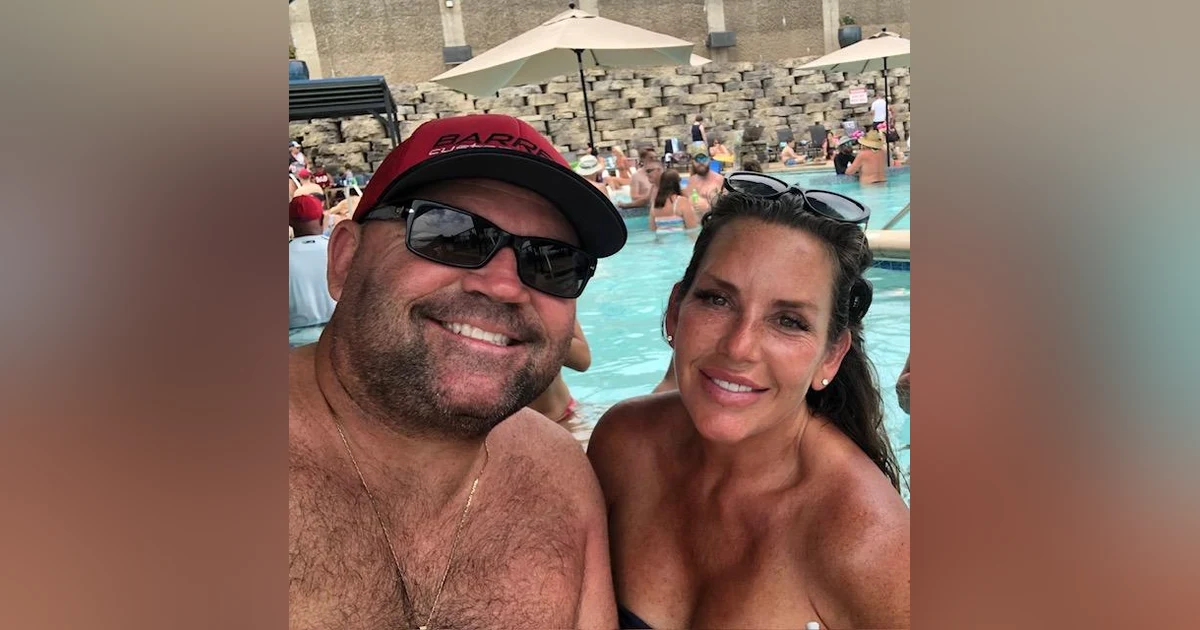
 This episode needs little description. Thanks to Kelly and Tank Sears for their candid and sometimes raw emotion in this conversation as they share the reality of the strain a myocardial bridge can put on a relationship, a marriage, a family. Yes, we'll cover the health portion of the surgery and Kelly's amazing recovery after a less than vacation like visit to Greece to see Dr. Kofidis, but it's the perseverance and trust that both she and her husband demonstrated in getting not only the appropriate health care but how they held it together as spouses in a truly challenging time. And that's not to mention the kids in the mix too. The strength of their love was challenged and the good news... there's a happy ending.
Chapter Summaries
(00:00) Uncovering a Myocardial Bridge and More
Kelly shares her heart health journey during COVID-19, navigating medical uncertainties and challenges with her husband Tank.
(08:22) The Battle for a Diagnosis
A patient's struggle with persistent symptoms dismissed by medical professionals, leading to independent research and emotional toll.
(21:23) Navigating Medical Challenges With Family
Family's challenges with loved one's health, frustrations with American healthcare, seeking treatment abroad, and finding hope in a doctor's potential solution.
(28:20) Family Support Through Medical Challenges
Family decisions during a health crisis, logistics of overseas medical trip, emotional toll, importance of new experiences, involving children, and realization of decisive action.
(41:24) Navigating Medical Challenges and Marriage
Perseverance and communication are crucial in maintaining a strong relationship through medical challenges, as shown by a couple's experience with treatment abroad.
(48:55) Shared Stories Finding Validation
Shared experiences and storytelling on the podcast validate and connect listeners, bridging understanding and offering support.
Just a quick reminder before we get started that the book is now available at Amazon.com, Imperfect Heart, Stories of Myocardial Bridges. Buy it for anybody who doubts that this condition is symptomatic.
SPEAKER_02There was days where we'd be laying in bed and I'd roll over and I'd like, is she still breathing? It was a real crappy time. I'm thinking in my head, I'm going to dark places. Like, she's going to die. What how am I going to raise the kids and keep going on? It's hard for significant others to be supportive when there's so much doubt dumped on you from the medical industry, from insurance, and just the unknown, and just getting pushback every step the way you take it. It sucks. It just sucks.
SPEAKER_00We'll talk with healthcare professionals, those in related fields that support our condition, and others just like us with stories of their myocardial bridge experiences. It's my intention for this content to inform, educate, entertain, and even motivate or inspire you in your personal journey on dealing with a myocardial bridge. Most importantly is to have you leave each episode with hope, knowing you're not alone and that what you're experiencing is real. I've wanted to do a relationship episode for some time now, and it was a matter of finding the right situation, the right couple, the right emotion. And then once I thought I had the right people, I had to convince them that sharing the challenges of our condition and what it creates on a relationship would be a great benefit to everyone who hears the story. Well, over the course of a year, I got to know Kelly Sears. Her situation went from mild concern to am I going to live? She shared some of the pressures it was putting on her home life, her relationships, on how everything was up-ended and that what she used to be she was no longer. Was her condition real? Would she ever be the same person her husband married? Getting proper treatment for our myocardial bridges is one thing. But dealing with the effects on our spouses or significant others is another. What happens when that love and affection is pushed to the limits? How much trust and support is there when it gets right down to it? And what if it's going to cost a significant amount of money to even attempt to cure the physical maladies our bridges present? We're going to address these questions and more in this episode. You'll hear the story from both Kelly and her husband, Tank Sears, as they candidly share their emotional roller coaster. Through their story, you'll witness the strain such challenges placed on their family and the extraordinary lengths they went to in search of hope and healing. Kelly and Tank Sears, welcome to Imperfect Heart. Thank you. Thank you. Good to be here. I feel like I know you've Kelly. I've been talking to you for quite some time via text and phone and Zoom and surgery. And Tank got involved and the family. And I I can't wait to have this story told. So let's get right into it. But before we do, I have to ask Tank. That can't be your given name.
SPEAKER_02I was 10.5 pounds when I was born. So the nurse came in and said, here's your little tank. And my parents named me Tank. Tank Patrick. I love it. I was the biggest baby in the hospital at the time.
SPEAKER_00For what it's worth, we have a my second son was born 10-11. 10 pounds eleven. Little tank too. He was a little tank. He looked like Job of the Hutt. You know, he just came out with all these rolls and rolls and rolls. It was hilarious.
SPEAKER_02That was that was me. That was me.
SPEAKER_01And then he asked me to have kids for him.
SPEAKER_02Like, not if they're going to be little tanks.
SPEAKER_00Right. Kelly, I'm I'm going to start with you as the patient first. Give us a brief story of what led you to actually your successful unroofing procedure. How did you know you had a problem?
SPEAKER_01So in March of well, late of March 2020, I thought I was having esophagus problems. So they did a procedure on me, a camera, an endoscopy. This is right around COVID and everything was kind of not quite locked down, but getting there. So they did this procedure. And then a couple days later, I still had pain, but it was excruciating. And so our daughter is a nurse and she said, I'm taking you to the hospital. So she took me up to the ER. By now, it's early April and the world has shut down for COVID. So I get in, the hospital was empty. There was no patients. It wasn't hustle and bustle like you'd think. And then after a while, I kind of felt better. And the ER doc came in and said, Well, we're going to admit you, you've had a heart attack. And I go, Nope, that's not me. It's I'm feeling better now. And he said, You're my only patient. I know, you know, so they checked my troponins were elevated. So they admitted me, and it was there for three days, all kinds of tests. In fact, they kept my proponents kept elevating for almost all day. Tank couldn't come in. My daughter worked at that hospital, so she was able to put her scrubs on and come in like she was working. They did every test for three days that they could do except an angiogram. And no test was great, but it wasn't the worst they'd seen. By then my symptoms had cleared and I was ready to go home. No answers, but so I went home. They they had done every test they possibly could, except for the angiogram in three days, and sent me home. And I never thought to ask what happened, why, what caused it. But they sent me home with the caution that if I had any any kind of pressure or pain in my chest to come back. So I did that night, maybe the second night. So I went back up and they readmitted me. My EKG was off. And that's when they did the emergency angiogram. So that was when it all started. And for the most part, for that first year after, I don't really have I didn't really have symptoms.
SPEAKER_02The angiogram showed the the kink.
SPEAKER_01Yeah, the LAD, like a crazy straw. Because they did the one where they go into your wrist, and that's one view. That was the view that scared them. They thought there was like a 90% blockage. They were getting ready to crack me open there. I didn't I didn't know this during that time. But then another cardiologist came in. He did the ivis through my femoral down, and he was able to get inside my LAD and take, you know, a little ride, and he it was open. It was just curled like a crazy stroke.
SPEAKER_02Yeah, it was a crazy straw.
SPEAKER_01Yeah. But I wasn't having a spasm at that time, so everything looked good.
SPEAKER_00Sure. And the iVis, for the benefit of those not familiar, is the intravascular ultrasound where they're checking to see if there's any occlusion or any narrowing of that particular artery.
SPEAKER_01Yeah. And he didn't see any of that. He saw why the other image showed that it was locked, but from inside it was not.
SPEAKER_02They released her.
SPEAKER_01And now it's full lockdowns.
SPEAKER_02They were they were kind of like, all right, we don't really know what's going on. This medicine and this medicine. Maybe we need to start statins. Not a lot of information.
SPEAKER_01Follow up with a cardiologist eventually when the world opens back up.
SPEAKER_00And so that's what, 2021-ish?
SPEAKER_01So that was April of 2020.
SPEAKER_00Okay.
SPEAKER_01Yeah. And so I mean, I was out and I really, I mean, other than oh my gosh, the the moral, the ibis, my leg was so black and blue. It was a little sore, but I pushed through. We we took a trip. We went to we went boating. I just went on my friend's boat, which is not as bouncy and took it easy, and then followed up with a cardiologist for a few months. But every time I'd leave, I'd be like, I don't, why am I here? I don't because I didn't feel bad anymore.
SPEAKER_00Right.
SPEAKER_01Why am I taking these meds? The meds were awful. So he would adjust those per how I was tolerating them. So I was just kind of I didn't really think about what caused any of it or what put me there to begin with.
SPEAKER_02There was no answers.
SPEAKER_01And but I wasn't symptomatic earlier on that first year after. That was just one episode. And then symptoms kind of, I'd say seven, eight months after. You know, I kind of was at a regular, just a scheduled follow-up with the cardiologist. And I told him, you know, I'm feeling a little maybe pressure, not pain, but maybe pressure. And then he upped my dose of metoprololol, amylopine. I think those were the only, those are the two. So it made me feel terrible. I can't even remember if I was having chest pressure.
SPEAKER_00What point did you get to enough severity to say something's not right here and still not getting a proper diagnosis? So you're probably in the 2021 now, pushing into 2022, right?
SPEAKER_01Probably right. Yeah, probably in those, in there. I, you know, another scheduled follow-up. Because nothing was so bad for me the way I felt, other than the medications, that I needed to make an appointment to go see the cardiologist. You know, I'd make him in advance after my last appointment. And then I'd wait and I'd kind of take notes and tell him how I was feeling. And I did finally think, ask him what put me in the hospital to begin with. And he said, you know, you have a myocardial bridge, but th those are benign. That's not what it was. But he didn't tell me what it was, and that was the only term I'd ever heard attributed to what happened to me. But in a way that that's not what caused it.
SPEAKER_00Yeah, so so you progress, or or I should say digress technically, and deteriorate over the course of the next what year or something to where you're you're realizing something's not right?
SPEAKER_01Yeah, that whole period of time was just a weird place in the world, right? We could all agree COVID was we had homeschool distance learning, that was a little distracting. We lost Tank's mom early after my my first heart attack. So that there's a lot of other things going on in life, you know. So I didn't have a lot of time to think about how I was feeling. I had to keep pushing through, and I could at least push through. Then I, you know, I started to get a little breathless and a little chest pain, a little bit chest pain, mostly a lot of I guess pain and pressure. And I kept telling the cardiologist, he just said you need to walk more, you're a little overweight.
SPEAKER_02You're stressed.
SPEAKER_01He just was stressed out, mom. And I liked I liked the cardiologist. I he's the one that came in and did the IVIS, he's the only one in this area that was trained to do it at the time. He's just stuck, he did his ground that the myocardial bridge was benign, you know, and I agreed because it was for me for 50 years until it wasn't. So he discouraged, I'd say, like any follow-up with another cardiologist because they're just gonna put you through a bunch of things and poke you and unnecessary stuff. But we're fairly certain it won't kill you.
SPEAKER_02Yeah, that was the quote.
SPEAKER_01Yeah, well, two cardiologists said those exact words to me. We're fairly certain probably won't kill you. For the last six months, jump forward, you know, they're telling me I'm a stressed-out mom and I know better. Having some trouble with insurance and authorizations. But I'd say, like the last year before the surgery, I started having fainting spells. And I could figure those out what what I was doing that would lead up to it, or the feelings before it would lead up to me actually hitting the ground, and I could sit down, but then it would keep progressing towards where I couldn't figure out. I would wake up on the ground and I thought, oh, I didn't catch that one in time. So fairly certain the bridge won't kill me, but you know, fainting unexpectedly and maybe smashing my head, that's gonna that that's not a nice way to go either.
SPEAKER_00No. So and Tank, at this point in time, now she is symptomatic. She's attempting to get some sort of resolve. The cardiologist keeps saying, no, no, it's honey, it's a stress. You're fine, you need to relax a little bit more, maybe lose a few pounds. What's happening with you? You've now watched things deteriorate to where something's happening, but how is it with you? What are you seeing?
SPEAKER_02So I like I just we spoke about earlier. I, you know, you look back, and over those three or four years, now you can see it was kind of a slow deterioration where you don't really notice because you're living in that moment. But there was a couple things she skipped. The we'd gone to the ER a bunch of times too, you know, because she was having major, there was almost two different types of pains. There's a constant chest pain that she was kind of started just living with eventually. And then there was what she called heart attack pains, where it was it put her down and she couldn't move, and she's basically having a heart attack. So we'd go to the ER, and we went to the ER a bunch of times, but they'd check us in. You know, that first time she went and they admitted her with her troponins were up, and then the second time they admitted her again for two days, but then she wasn't really symptomatic over a year, but then she started having the pain again and started having the heart, you know, heart attack symptoms like shooting pain and major chest pain. So we'd go back, they'd admit her. I mean, they wouldn't admit her, we'd be in the ER and they'd run all the tests and they'd say, Hey, your your EKGs are fine, your your troponins aren't really that high, you know, maybe a little bit, but not super high, nothing that we really worry about. We'd sit there in the ER for eight hours and they'd go, Yeah, we don't really know what's off, but you're doing good, so just take your we did that four or five times until it finally got to the point where she'd start having these heart attack pains, and it's like, oh, do we go to the ER? And I got to the point where I'm like, why? Why are we going to the ER?
SPEAKER_01I didn't want to get it. They're not doing anything. Yeah, they're not.
SPEAKER_02They're not doing anything. We go there, we sit there for eight hours, and they say everything's cool. You know, sorry, we don't know.
SPEAKER_01But they give you nitro and you know, all these. So if I'm a heart patient, why are you giving me heart medicine? That was, you know.
SPEAKER_02And in the meantime, over like from 21 on, she heard myocardial bridge and she starts doing a research. And I can tell you one thing about her is if she's researching something, she's all in. Like she'll get to the point where she has educated herself. I don't, it's not just WebMD. I mean, she's not just going on and looking at one definition, she's doing major research, talking to people, and very well educated on the topic. And she's showing me stuff, you know, she's explaining things to me, and I'm like, yeah, that's totally what you have. I I, you know, this Mario Cardi Bridge, the symptoms match exactly what you're going through. Let's look into that. But every time we'd go to a doctor, ER, or the cardiologist, it was no, that's not symptomatic. That's not, that's not it. That's not it. And so finally, I get to the point where I'm like, okay, cool. What is it? What's going on? Explain it to me. Tell me what it for all miss because you guys aren't doing anything. I was getting very frustrated.
SPEAKER_01You start questioning like all of these people over here are saying it's not that. And I'm, I don't know what it is. That's where that kind of gaslighting, you know, that shadow of doubt right in your brain, thinking, well, maybe it is her, maybe she is going crazy. I thought the same thing. I thought maybe I am just a stressed out mom.
SPEAKER_02I maybe we went to a second, we finally said, okay, let's just get a second opinion, even though they didn't want us to. We went to another cardiologist, same thing. Said, hey, it's your bridge is benign, everything else looks good. I think we need to change your statins. You need to take different drugs.
SPEAKER_01No, I wasn't taking statins. Or what I said, I should start taking statins, even though my cholesterol is not high.
SPEAKER_02In the meantime, the more we're going back to the ER, more we're going to the doctors, she's declining more. It's like you go seek help. But as time goes on, she's getting worse. There's more chest pain, there's more these I call them heart attack symptoms. There's fatigue, major fatigue, you know, and she's like I said, she's turning purple. Her fingers are turning purple at times, her lips, the corners are turning purple. I mean, it's obviously not in her head. I can't know that much. But I do start like, all right, well, maybe it's not the myocardial edge, because I am seeing that there's it's benign most of the time. And, you know, and but cardiologists are saying, well, maybe it's your esophagus issues. And so she goes to the doctor, and he goes, It's absolutely not. They scope her and do all this stuff. And he's like, No, it's not. We've done every test, it has nothing to do with your esophagus. She's had her gallbladder out. Okay, is it some type of, you know, is it some type of gallbladder issue? And so you they're given all these, you know, like maybe it's this, maybe that, but really the only thing that really matches all the symptoms are this myocardial bridge. But still, you have all these professionals telling you, nah, that's not it. I mean, you talk about doubt, there's major, major doubt. And for me, not going through it, not being able to feel what she's going through, I'm sitting back and I'm just thinking, is this, you know, I nothing against her, but I think, you know, having back pain myself, nobody really understands what you're going through unless you're going through it. And although I'm sitting as a and witnessing it, I don't really know what she's feeling. And I understand that pain and stuff you're going through can psychologically affect you. You can get depressed, you can go into dark places with dealing with something. And so I'm like, is it part of that also? Is this making it worse? She's not a depressed type person, she's not, you know, negative at all. But when you're dealing with something, you're not getting answers, it starts to mess with your head. And I'm so I'm sitting back going, is this also added? You know, is that part of it? Is it making it worse because you're thinking about it so much and it's almost creating this reality for you? You know, I I don't know. You start asking all these weird questions and going through this stuff.
SPEAKER_01I was pretty sure, but it did start affecting me that way. I will admit, like eventually, I was like, Why why am I even trying anymore? Because there is no help for someone like me until I found this.
SPEAKER_02And then she mentioned the insurance. So the insurance was a whole thing too. We have we have uh insurance, decent insurance through my work. I I thought it was decent, decent insurance, zero help. I mean, she's doing the research. She's like, okay, I think it's this myocardial bridge. I'd like to look into it further. There's specialists up north and Stanford. Let's get referrals to that. I talked to our primary doctor.
SPEAKER_01He knows us and has he always believed like this is not me, this is not you, this is not in your head, there's something wrong with you. I've known you too long. You know, I go once a year for a physical. That's it. It's not, I'm not a cry, I'm not a patient, right? I'm just I go once a year for a physical, he knows Tank, he does my kids. So he knows us as a family, and he knows that's not me. So he pushed the paperwork through for Stanford.
SPEAKER_02And they okayed it first, but they only okayed like two of the three procedures. One or one. So I had her call right before we were gone. Say, hey, can you just call the insurance company and confirm that you know maybe we can get it done? And she calls and she's like, No, you're not approved for any of it.
SPEAKER_00Oh any of it.
SPEAKER_02What are you talking about? We're approved. So I start playing that game, and then so then we said, Okay, well, maybe if we get actual cardiologists, they put in another referral. Now it's from a cardiologist specialist to see another specialist, it gets approved again.
SPEAKER_01And one more time, I'm like procedures, which is a great hospital, but they don't have a bridge specialist. Meanwhile, Stanford has my file, they've already made accommodations and all the appointments.
SPEAKER_02We bought airline tickets, we're ready to go. Get an answer at least. Yeah, I wanted to talk to a specialist that at least could give us an answer.
SPEAKER_01They have a great program at Stanford. Their team was so coordination, the communication, always reachable by phone. They were awesome. They were working with my insurance company as well. They wanted me, and they they got me in probably within three months of the referral, getting to them. They called me like on the phone and said, Yes, come up here. We think we can help.
SPEAKER_00So you get all the way to the point of almost diagnosis, proper diagnosis. What is the tipping point? What gets you to that next step of confirmation that I just have to do this?
SPEAKER_02We went so I thought, okay, well, these two. They're male cardiovas. Cardiologists. Cardiologists. And so I said, Well, hey, let's let's find a female cardiologist, maybe at least a f because as we found out, there's like females have major heart issues that are, you know, unseen and untalked about really. And cardiovascular health is a major issue with women, come to find out. And so I thought, well, let's find a female cardiologist that can maybe empathize with the situation and and maybe take a different approach and get an outside perspective. And we found another cardiologist, super nice lady. We went and talked to her. She was very upfront. She's like, I know what myocardial bridge is. I'm I'm aware of it, but I'm not a specialist in it. I don't know the answers to that. She said, she agreed, yes, you have something going on. I don't know what it is. Maybe it's this myocardial bridge, but I don't have the education or in this field to say it is or not. She was very upfront. Very I appreciated that. And she was very supportive. And so we explained to her, hey, we're trying to get up to Stanford to get a specialist. And so she's the one that wrote the referral. And our insurance company said, Well, we'll send you to Cedars. There's a specialist in Cedars that's a very well-known cardiologist. He was awesome. Dr.
SPEAKER_01Mary Mertz.
SPEAKER_02We went down there and spoke to her. But this now is in I remember. It's probably in March or April of 24. You know, she's at the end of her.
SPEAKER_01I had already I had talked to you on the phone at that point. Um, I had listened to your podcast. That was a big yeah, I had tank listen to a couple or at least some snippets of some of them. I'm like, I'm not, everyone thinks they're going crazy. Um, yeah, I mean, what a thing to have to be happy about.
SPEAKER_02And she did, she did find Dr. Kofitas.
SPEAKER_01You know, she found, yeah, through your podcast.
SPEAKER_02So we went down to Cedars. Like I said, this was really I'd already been she's already she's done. She basically can't get up, you know, maybe a little bit. You know, we have kids and they need to go to school and need rides. I work, and she is barely functioning at this point, just getting through the mandatory steps of the day. But for the most part, has to lay down most of the time, breathless, passing out, constant chest pain. I mean, there's something wrong. It's so frustrating.
SPEAKER_00What are the kids thinking about this at this point in time, too? It's like, mom, what what's up with you? I mean, what's happening?
SPEAKER_02You know, they're teenage boys, they're kind of like meh. They don't, I don't think they really they grasp the problem, you know. They were, they are uh, I think they under, you know, I would they were accommodating, I'd say. Yeah. And I would talk to them and say, hey, something's up to your mom. She's sick, check on her, leave her alone. Don't bother her, you know, don't stress her out. And they were accommodating for the most part, but I don't think they really, you know, they're they were young. It's a lot for them to grasp.
SPEAKER_01It's a lot for them to grasp. And I really, you know, tried, I pushed and pushed so that I to make it as normal as possible because I didn't want to put them through that. It's really hard to see your loved ones looking at you with that sadness or that scared, you know, they're just afraid all the time around you of what's going to happen, or the fact that I didn't look good, and they'd go, you know, your color's off, or it's it's just hard to see that reflect in the people that you let.
SPEAKER_02I was also with our friends. You know, we're pretty social. We have a good friend group, we do a lot, we're active, and you know, as time went on, we're less active, less social, less, you know, over the last two years, because she really doesn't have the energy to do anything, really, even go out to dinner. And finally, it was, you know, at the end, she's not doing anything. I mean, she's trying, but you know, maybe she'd show up for an hour and then she's like, I gotta go home, you know, and so that creates a divide with us. I, you know, I'm out hanging out and doing stuff or going places and doing things, and she can't really do it. So that kind of separates, you know, less in common, less together. That puts a strain on our relationship. And I hate to say it, but there's some resentment, you know, that I was carrying, like, not specifically towards her, but towards this situation, you know. It's like this sucks. This sucks. It's changing our lives. It's a big deal. I was pretty optimistic when we went to Cedars because the doctor down there was like, look, I know Stanford, I know the people up there, I know this condition. I would like you to change some medication for at least six months before I recommend that you go up to get surgery. We left that meeting and I was I felt pretty good about it. Kelly actually felt pretty decent about it, but she was in constant pain. And she's like, I don't know if I can make six months the way I feel. I don't know if I'm gonna be alive for six months. I said, Okay, and she said, I'll give them three months. I'll try the drugs, I'll try the different meds, three months. Said, okay, let's do three months. Then it was like, then we're gonna pursue Dr. Cafetis and that route. It was expensive, and I was hoping that our insurance would cover it here and we could get it done here, plus travel and logistics, and and you know, I we're just trying to big picture everything, trying to figure this out. I mean, my first hope is that our insurance can get us up to Stanford and get the care that she needs and get this fixed, the way it's supposed to be here in the States with our insurance with good doctors, the way you would have expected to be. But we just keep getting the runaround and run around and run around. So we just decide, hey, we'll give it three months. I said, Okay, let's let's do it. And then we go into the next stage, which is a little scary, you know, wiring all this money over to a person I've never met in Europe, and it's a little unnerving. I mean, we we met with him online once and he was fantastic. He's like, Yeah, when are you coming? You know, it's like, what do you mean?
SPEAKER_01We're just you know, he didn't know all of everything all the time. You know, he knew that I was looking into the doctor from Greece, basically. He wasn't necessarily in the no for everything, but I was confident with as many sources as you're on your podcast, with you speaking with I saw Dr. Cafitas speak. This is before I even talked to him, and I did all my research, and I was feeling not like he was a stranger or not like this was a scam. I understand why tank does feel definitely though.
SPEAKER_02We we set up a meeting with him, we forwarded him all of her records. We get on, and you know Dr. Cafitas, he's great. He gets on, we get on the we get on the Zoom with him, and he's like, Kelly, when are you guys coming out?
SPEAKER_01When are you coming?
SPEAKER_02I'm like, whoa man, I don't even know you, dude. Can you just like look tell me what's going on? Like, clue me in, catch me up here. He's like, Oh, she's 100, she's 100 a patient of myocardial bridge. I can guarantee I can make her better. I'm like, okay, that sounds fantastic. You know, what do we need? He's like, uh, why aren't we this money and why are the hospital this money? I'm like, okay, slow down. All right, yeah, but I, you know, it was great. He's awesome. So it did a little bit of leap of faith, and it was disappointing that we couldn't, you know, the state's medical system just seems to be broken. I know I text with you and we're in Greece. It was just an eye-opener that was awesome. Just and how broken. I hate to say it, because I love this country and I love everything about it, but man, our medical system's right.
SPEAKER_00Yeah, and what's interesting is Kelly first, it's your self-advocacy to keep pushing and digging and pushing and digging and tank for you to hang on at some points by a thread, just hanging on, going, I'm buying this kind of, kinda, but boy, we gotta find something because this long term isn't good for either of us in so many ways. Worst case scenario, assume something bad happens. And obviously nobody wants that to be the situation. But the fact that you were able to persevere to find a solution on your own, because the insurance company, unfortunately, is not helping you either. That is a result of all your effort, all your persistence, tank, you hanging in and supporting even with reluctance, that it it it takes that sometimes, in spite of every time you take a step forward, you're taking two back. Okay, yeah, we got to get you here, get you to Stanford, up, insurance won't pay. Okay, we got to fix it again, we got another cardiologist, get you to Stanford, up, insurance won't pay. I mean, so you just keep getting knocked back. In the meantime, as time progresses, you're getting worse and your condition's getting worse. And I know many of us, as we went through this particular process, you don't know that you're gonna make it. You don't know how long you've got because of the symptoms, right? And to get to the point of the acknowledgement and the acceptance of a doctor somewhere else in another country is uh it's a big step forward. Obviously, you're right, a leap of faith and and confidence in a last gasp effort to say, well, let's do this. And I I just applaud you guys for getting to that point. And here's here's the part I really like is you didn't just go and get the situation, you brought the kids, the whole family degrees. Tell us a little bit about that. What was that decision-making process?
SPEAKER_02Well, I it was it was like March or April, and we were trying to get there by June, I think it was.
SPEAKER_01September.
SPEAKER_02September, that's what it was. And but the kids had school.
SPEAKER_01Gone two weeks.
SPEAKER_02So you're gone two weeks, and so we were trying to figure out okay, how do we get somebody here for two weeks to watch the kids? It's kind of difficult. And so it was kind of decided. Kelly actually decided, well, you know, they're out for Thanksgiving break. We can take them out of school for one week and then they're off for one week. Let's just do that. And I was like, Can you make it that long? And she's like, I don't know.
SPEAKER_01And uh I'll I'll try it.
SPEAKER_02I mean, looking back, it's you you laugh at it, but I there was days, I don't even know if she knows this. There was days where we'd be laying in bed and I'd roll over and I'd like, is she still breathing? I you know, I it was a real crappy time. Sorry, you know, I I didn't know if I'm thinking in my head, I'm going to dark places, like she's gonna die. What how am I gonna raise the kids and keep going on? She's dead. You know, uh, there's some bad, bad things. I for anybody going through this, I it's tough. I you know, and I'm not trying to victimize myself. I'm not a victim. I it just couple-wise, for anybody listening to this that is a couple, it it's difficult. I I understand it.
SPEAKER_01I didn't even know you felt like that.
SPEAKER_02Oh, thanks. So it's difficult for somebody that's not in that moment or not feeling that, like I said earlier. You know, I I think it's tough, it's hard for significant others to be supportive when there's so much doubt dumped on you from the medical industry, from insurance, and just the unknown, and just getting pushback every step the way you take it. It sucks. It just sucks. And finally, like you said at the end, I was like, I'll do it. I don't care. Let's just do it, let's just figure this out. This is it, it's it or nothing, because it's it or you're dying, obviously. So let's do it. I don't, you know, whatever. Luckily, it was semi-affordable. Come come find out, it was doable, a lot more affordable than doing it here, you know, one-tenth the cost or whatever. So we we decided, hey, let's do it. We met with Dr. Cafetis online that we gotta bring the kids because we're gonna have to go because we don't really have anybody there. I said, Hey, we've never been to Greece. Let's, you know, even though it's not a vacation, it might be cool for the kids to be involved in this and and see Greece and come with us.
SPEAKER_01It eased the stress for me, you know. I'll I'll be torn open. If something were to happen, if there was some kind of an emergency on this end, I can't just jump on a plane, you know, tank could, but then I'd be left in Greek. It's just easier to bring them with.
SPEAKER_02That was a big part of it. Yeah. I just couldn't it reduced the stress on that end too.
SPEAKER_01Yeah, it was actually easier to bring them.
SPEAKER_02It was, it was.
SPEAKER_00What a neat experience for the kids to see their parents deal with a difficult situation, to see how they dealt with it, and to your point of experiencing something in another country as well, for them to notice that, hey, it's not just the United States. There are other great places, there are other people that care. And because you are open to that experience, they're gonna see that as an opportunity for them as they grow up too. And they'll look at different situations and say, well, hey, maybe we have to take an alternative route because this isn't working. And and not to mention, Tank, I so appreciate you sharing the emotion of that because that's a part that a lot of people want to just stuff down and not share. And it's a denial almost.
SPEAKER_02There was a lot of denial. I I would say I had a lot of denial. I was just kind of pushing it off, pushing it off through the years. And, you know, because she was, you know, looking back, she was bad two, three, four years. There was a lot of, oh, this will get better, this will get better, and pushing it off, pushing it off. I think she did a little bit of that too. Like, yeah, this will get better, this will get better. And we both kind of did that so we could just keep on living our lives. But eventually it got to the point where we're not living our lives. We need to fix this. So and it the trip was good. It was actually a decent trip. I don't really call it a vacation, although it kind of was. You know, I mean, she was the treatment over there was insanely good. The doctors gave me their cell phones and were texting me and all that.
SPEAKER_01When we got there, well, we got there um Sunday, they go sleep, come here on Monday. And we brought the boys with us. So Finney was 15, 15, 15. He's he turned 16 in February. Backham was all that 10. I've missed out on a few things the last couple of years. And so they came in the room. There's the big TV screen where they go over everything, and and they looked at me and said, Do you want your boys in here for all of this? I'm like, sure. And and so he, Dr. Kofita said, Yeah, it's okay, let's do this. And Dr. Thomas was the other surgeon.
SPEAKER_02Awesome.
SPEAKER_01Great.
SPEAKER_02They were we were in there for they grabbed us and we were in there in a meeting with them in this nice office with the kids and us for over two hours, just the two doctors talking to us, putting all the images up on the screen. I've never had treatment for anything like that in my life. Included the boys talking to the boys, including them. You know, hey, there's what you're gonna expect. This is what you guys need to do. These are possible side effects. Very, very open. You know, these possible side effects, these are the chances, these are the risks. Just walking through the whole thing so we understood everything and what they're doing. It was great. It was just the way things should be. I was texting you, I was texting everybody like this is the way things should be, this is the way treatment should be. It was it was amazing.
SPEAKER_00And weird to say, from this end, in just a little tiny way, I was I was a little jealous.
SPEAKER_02It was like I was trying to take advantage of the situation as much as possible, you know, while she's stuck in the hospital. I mean, we the first day we made sure that she the surgery was done. We went, they were like I said, they had they were texting me, the doctors from the ER were you know from the operating room were like, hey, we're coming out of surgery. We'll be in you can get over here real quick and see her while she's still in the ICU and just okay, we went over. She was good, but then she's done for the rest of the day. You know, she's out, she's sleeping. I said, Hey kids, let's go over to the uh the Parthenon and go look at because we were you know a mile or two miles away from it and walk to the bazaar and go check stuff out and kind of check the city out. And so I mean, we took we tried to take advantage. And then once, amazingly, she's four days in, she's like, I want to get out of the hospital, let's go. The doctor's like, hey, you got to show that you walk, you gotta show that you're doing good. She's like, Okay, no problem. And she's up walking around and doing stuff, and they're okay, you can you can leave the hospital, but we need to see you tomorrow. And she's okay, and the next day we went and checked in with them. She's doing good. She's like, I want to go see the Parthenon. Like, okay, let's go check it out. Now we didn't go up and walk, you know, the whole thing, it's gigantic. But we went to the shops down below and walked around, and we're walking around, she's five days, six days out of surgery, having her chest cracked open, and we're walking through these, and she's like, she hasn't been in two years. And she looks at me and says, I couldn't have done this two weeks ago. There's no way. I'm like, How are you feeling, Julia? I feel great. You know, I feel wonderful.
SPEAKER_01Yeah, it's slow for sure. Yeah, I mean, but I couldn't call it not painful. There is some soreness, but the immediacy of it is that even a word, the I'm gonna create a whole new vocabulary. Was you know, I woke up in the hospital, and that that when you first wake up, well, you know, you've got tubes coming out here and on each side of you, and from the middle of you, and you're bound, and you're you're they've got just everything's tight and uncomfortable. But I immediately felt better, even though I had all of that for the first three days.
SPEAKER_02First three days of recovery is rough.
SPEAKER_01That was rough, but not painful, you know. So I I'd actually I text Mary because I'm like, I think I messed up, I think it's worse. I can't breathe, I can't catch my breath, I'm more uncomfortable now than before. What and she said, no, wait till tomorrow. Just wait till that fourth day. And she wow, she was right. Mary McDonald, sorry. Hi Mary. Um she told me it's that she goes, it's just hold on till that fourth day. Trust me, trust me, that fourth day is gonna be a game changer.
SPEAKER_02Who nailed it?
SPEAKER_01It was, it was, it really, it was. And I even told other patients on the floor, you know, because I'm out walking, because it's you know, if you walk this many steps, you can get this tube out. If you walk this many more steps, you can get this tube out. So, you know, I'm I'm walking up and down the halls, and people are stopping going, you're really young. Did you, you know, it's all heart heart surgeries on that floor. And so I'm talking to the caregivers for patients, the the wives or the the daughters and and sons of their parents, and I'm and they're saying, Well, it's really bad right now. Wait till that fourth day. That fourth day is gonna be a game changer. And then a couple of the ladies, one the dad and the husband were sharing a room, separate patients, they were sharing a room, and they asked me to come in and talk to them. Yeah, and I walk in to these men, and they're you know, they're just laying there with no shirts on. They're very, they're not very, they don't care about nakedness. American. And they're just laying there, and we sat there and talked for an hour, two hours. Come back tomorrow to, you know, talk to us more. Not necessarily just about heart surgery, just about just life. So it was quite a unique experience. The Greek people are wonderful, welcoming.
SPEAKER_00Very nice. Yeah, and all around for everybody, for for you guys, for the the kids, the experience, the crazy American lady. I'm sure the Greek guys are talking about her for the rest of their life, you know.
SPEAKER_01They called me Hollywood.
SPEAKER_00Perfect, absolutely perfect. Isn't that nice? I I I think fair to say today, Kelly, that you are pretty much back to where you were pre-symptom.
SPEAKER_01Oh, for sure, for sure. You know, it's it's funny. You I I forget you forget, you know, and like even still today, I learned how sick I was and what I was capable of and what things I could I had to I had to do, but what that was gonna create for me. So the other day I'm thinking, oh God, I have to go upstairs. I left that thing upstairs, and I've got to stop myself, I thought, go down the stairs as much as I want. You know, there, but that so yeah, no, a hundred percent. This this heart thing was like, it seems like it was so long ago. Now just getting my brain back to thinking, like, oh well, why am I thinking like, oh gosh, I left it upstairs? Simple little everyday things like that. And then like, it's not just a heart that I'm walking six, six miles, four to six miles a day, you know. My I'm awake all day long. I'm upright all day long from four to five a.m. till you know, seven to nine p.m.
SPEAKER_02I'd say she definitely got a second breath and and really a appreciation for her situation. You know, she's up in the morning, she's out walking, definitely way positive, feeling good and taking advantage of her second chance at life, really.
SPEAKER_00Right. And and I'm sure you too, Tank, to say, I've got my wife back.
SPEAKER_02Oh, it's nice. It's pretty awesome. That's totally selfish of me, but it's totally awesome.
SPEAKER_00Of course, of course. And I certainly recall how appreciative I was of my wife, you know, the opposite of your situation, just being there. You know, she was there all the way through. She would do the insurance work and the things that is I I'll do the health stuff. I gotta figure that out if if you can help with this. And it was it became this team effort of you got this, I got this, we we've got to figure it out. And then how grateful I was on the other side of it, and how you tend to look at things differently, getting it back. And Kelly, not unlike yourself, I knew right away. I knew when I was in that hospital, I knew right away that something was different. And I didn't know what it was gonna look like six months, a year, two years down the line, but at least I knew something was different post surgery. And you know, fortunately, not unlike yourself, I'm in in pretty good shape. So, you know, what what you guys just shared was so valuable, I think, to so many people who are going to hear the episode. Before we wrap, is there is there any Anything else that you you want to add, uh you know, maybe in closing, just to uh to share for those who you know, relationships are tough. You know, they're they're just tough. Clearly, you guys love each other.
SPEAKER_02I don't know how long you've been married, but you brought up that your wife went through it with you. I I think it's different for females going through this because I I just in general I was here, men aren't as nurturing, you know. And so if I get sick, she's there all the time doing like she dives into whatever. You know, I had something go on 12 years ago or something like that, and she was all all over it. Where I think men are a little less nurturing, I guess. I you know, you know what I mean?
SPEAKER_00Yeah, you I can think of a million dollars.
SPEAKER_02Well, you know, the guy the guys are the workers and fixers, but not not this nurturing kind of mentality to to stick by somebody and help them get better. And I would just say that for anybody going through this to to stick with it, don't take no for an answer from their doctors and from insurance. When we went to Greece, there was still a there was still a chance it wasn't gonna work. There was still that. Dr. Cafetis wasn't, you know, he wasn't beating around the bush, he was being very upfront. He's like, we can fix you. How much we get to fix you just depends on how it comes out. So I we're going over there. I'm not 100% sure. She's not 100% sure, but it's a last-itch effort. I would say for anybody going through this that's not the person going through it, that's the the caregiver, the secondary, you know, stay with it, don't take no for an answer, get it done. It's worth it. It will be better on the other side. I can I can guarantee it because from everything I've seen from people on your podcast and from what we've read, there is life again after you get this done. No matter what, whether it's 50% better or 100% better, it's it's better. So it matters.
SPEAKER_01Um, and I'll just add just to back up a little bit. When I woke up after my surgery, Dr. Kofetis goes, It's a good thing you were here now. You probably didn't have three weeks left.
SPEAKER_02That he felt the LED was gonna bulge.
SPEAKER_01It was so thinned out from the bulge on the second twist inside. He said, If that thing would have burst while we were there, I couldn't do anything.
SPEAKER_02He said you had, you know, he guessed you had a month maybe and it would have burst.
SPEAKER_01It wasn't gonna kill me. Just a matter of of time. He described it kind of like a a water balloon when you squeeze it and it thins out.
SPEAKER_02For anybody that has to resort to going out of the country to get anything done, I think you know, that's kind of a thing now is uh traveling for different types of medical tourism, going different countries for stuff. I would say for something like this, where it was not cheap, but it was not overly crazy expensive like it would be if you paid cash here in the States. It was worth it, you know, if you have to take a second out on the house or you have to borrow the money and it's worth every penny. It was worth 10 times more, you know, I to get this results.
SPEAKER_01So there's not a value on a life or a or an experience, and I'm super grateful that we stuck it out together. It's not easy. I as the patient felt so bad, so guilty for putting him and my kids through this.
SPEAKER_02That also messes with your mind, you know? It does that depressed feeling that you know, not only are you feeling like crap and nobody can help you and care for you and do it, that then you feel bad because you're putting others that you love through this too. It's it's and I that's important. I understood that, even though maybe I didn't express it, but I knew that she felt bad for that, and I tried to be supportive and like, hey, this isn't your fault, we'll we'll get through it. It's frustrating for the me too, but you know, and sometimes I don't handle my frustration and anger the best, you know. I I'm not always the greatest husband in the world. So you know, I get upset and frustrated, and and I I tried my hardest to not take my frustration out on her, but that's part of it too. It's difficult, you know.
SPEAKER_00So and then communicate.
SPEAKER_01We did a really good job.
SPEAKER_00You guys appear to be able to speak with each other, and that's that's really important. And for everybody, if you're going through the situation, it's important from one side to at least listen. And to your point, Tank, guys are not the most empathic human beings on the thing, on the planet. But at least to listen, maybe we won't understand, maybe we can't engage in that same sense of empathy that we know our spouses might have on the flip side. But just trying to understand it and finding a solution and moving it forward like you did. You just kept inching it forward until you got to where you needed to be. And for so many people, that alone is enough, just to say, okay, at least he or she is listening to me. They they're hearing me. We don't have answers, we don't have solutions, but we're moving forward together. And again, I I applaud you guys. I think what you've done is is incredible. And you did it all to a positive outcome. And those boys are never going to forget this. They they will never forget the experience that that you've given them and the ability to see what their parents did and to see mom is healthy again. You know, there's there's always hope at the end of that, you know, that that trial that we all go through. So I I can't thank you enough for participating. And I'm so appreciative that you took this valuable time out of your busy days, because I know this is one of your days off, Tink, and you have them in in spurts, so to speak. But this story is going to be played over and over again for the benefit of so many others who are in a similar situation. And Kelly, I am so happy that this surgery was successful for you and it allowed you to get back to doing what you're doing. And like I said from the beginning of the podcast, I feel like I've known you guys relatively well as friends. And it's only been through this program and our mutual condition that we've met. But I'm happy to say we've had this conversation and and I appreciate you for so much that when I come down to Ventura, I'm looking you up.
SPEAKER_01You better call us before you come.
SPEAKER_00Come on down.
SPEAKER_01Can I just thank you from the bottom of my imperfect heart? You are the I give you full credit for why we were even introduced to Cofetus. You your platform, it's it's great.
SPEAKER_02Yeah, you're the beginning of all this to get this better. So thank you very much.
SPEAKER_01But you're not just about the myocardial bridge. I knew all about it before I even saw your podcast, but it was the other people, your guests, you telling your stories and sharing your stories that kind of gave me some validation. I I don't know that that's what I was searching for, but I I guess I needed it. And it helped with it helped Tank too. Because when he listened, he's like, Oh my god, there's somebody else out there. I wasn't special.
SPEAKER_00My wife is texting at 10 o'clock at night. Who is this guy?
SPEAKER_01Oh, there you go. That's that's my boy, that's my man. Well, and thank you very much.
SPEAKER_00I I knew this would be a first in the conversation of couples, but Kelly, you're the first person that has used my line back on me before I got to close the episode with. So I've watched a few episodes. I I still won't close with it. Thank you, guys. Thank you from the bottom of my imperfect heart.
SPEAKER_02Thank you, Jeff.
SPEAKER_00Appreciate it.
SPEAKER_02Appreciate your time.
SPEAKER_00Thank you for listening to Imperfect Heart. It's my hope that this information helped in some way to improve your situation or will help you better understand this condition. More importantly, that it gives you hope through stories that there is help and you most certainly are not alone. If you've been diagnosed with a myocardial bridge, please be sure to join the private Facebook group, Myocardial Bridge Support Group. For more information about our program or to reach me directly, visit the website, myimperfectheart.com. If you like what you heard today, please give a positive review, thumbs up, high five, whatever your app likes. And be sure to share with everyone important to you so they understand what it is you're dealing with. Please subscribe as well. Welcome each day with gratitude and positivity. Imperfect Heart is a production of Hear Me Now Studio.


