
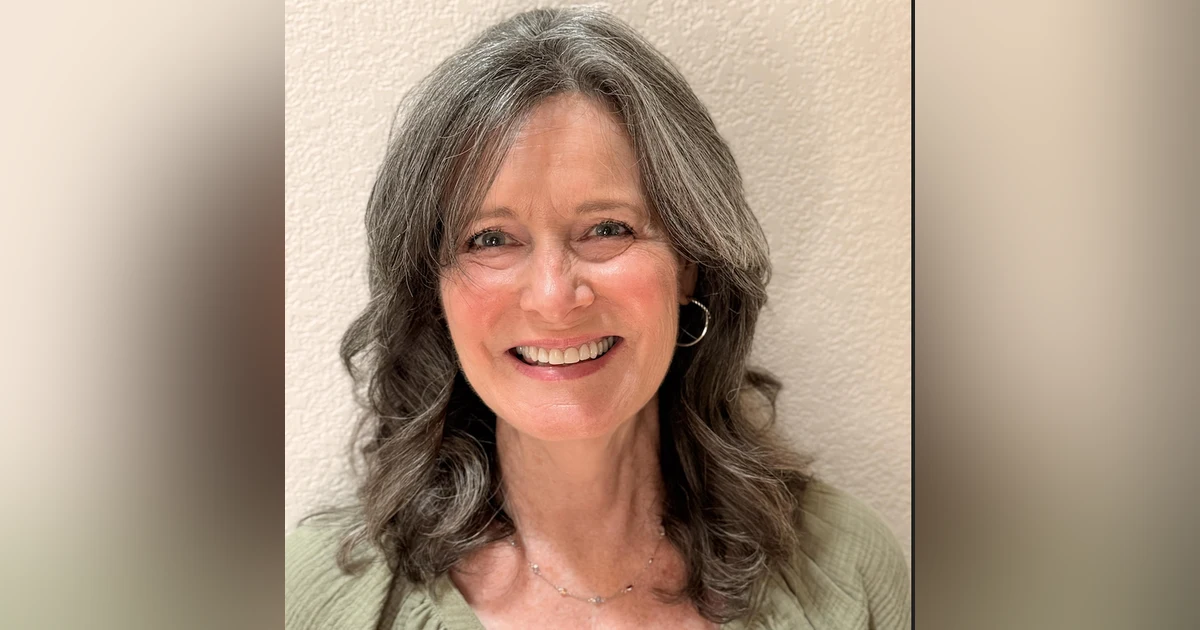
Episode 53: To Unroof or Not to Unroof? Janie Desmond Ison Shares Her Very Unique Health Journey.


 RSS Feed
 Could you be one of the tens of thousands of people unknowingly living with a myocardial bridge? Or worse yet, knowingly living with the condition and not having it recognized as a potentially symptomatic, even life threatening, condition? My guest today is another local acquaintance. A friend of a friend. An unbelievably close association to yet another myocardial bridge patient. Janie Desmond Ison and I are going to unpack the startling statistic that while a quarter of the population may have myocardial bridges, only a small fraction are diagnosed as symptomatic. This episode challenges prevalent misconceptions, shares the journey of symptoms often dismissed, and highlights the power of awareness in seeking proper medical attention. Through her story, we aim to connect with those who might feel alone in their struggle and encourage them to pursue the support they need, knowing this is yet another example of the condition that may be similar to what you're facing.
Join us as we follow an individual's incredible journey from experiencing mild symptoms like shortness of breath and palpitations to receiving a life-changing diagnosis of a myocardial bridge and an uncommon solution. We discuss managing this condition amidst complications like low blood pressure and fatigue due to treatments from beta blockers. The narrative sheds light on navigating unexpected health issues and the emotional and physical challenges of making complex medical decisions. We emphasize the vital importance of trust in healthcare professionals and explore the paths available for effective management and recovery.
Our conversation also offers a hopeful glimpse into life after heart surgery, focusing on recovery's emotional and physical hurdles. The critical role of cardiac rehabilitation, peer support, and the need to reassess life priorities post-surgery are discussed. We celebrate advancements in surgical techniques and the necessity of advocating for one's heart health by staying vigilant about symptoms. By sharing these stories of resilience and recovery, we hope to inspire and reassure listeners facing similar challenges, highlighting the strength found in community and support networks.
For more information and details visit the website HERE
To purchase the book, "My Imperfect Heart: Stories of Myocardial Bridges" find it at Amazon.com or in this link.
Chapter Summaries
(00:00) Myocardial Bridge Awareness and Discussion
Myocardial bridges are often undiagnosed, causing frustration and symptoms like shortness of breath and heart attack-like sensations.
(04:57) Journey With Myocardial Bridge Diagnosis
Personal journey of health challenges, diagnosis of myocardial bridge, managing condition with low blood pressure and fatigue.
(19:58) Navigating Post-Surgery Complications and Recovery
A heart surgery journey highlights the importance of clear communication, informed decision-making, and navigating post-operative challenges.
(35:02) Navigating Life After Heart Surgery
Emotional and physical challenges of heart surgery, importance of support and rehabilitation, and need for proactive health management.
(42:10) Advocating for Your Heart Health
Exploring heart surgery complexities, including myocardial bridges and evolving treatment options, and the importance of awareness and research.
(50:47) Sharing Stories of Heart Health
Acknowledging and addressing heart health issues, sharing personal experiences, and emphasizing the importance of being proactive.
I really in the hospital didn't think I was going to make it after about eight days. I I didn't have the energy anymore. The AFib was horrible. And I remember him sitting on my bed. He was 14 at the time and saying, When are you coming home? And I said, But you're coming home, aren't you? And you know, there's always that one moment that sort of clicks in your head, like, I can do this. So that was my moment. This kicks your butt, the surgery on every level. I was grateful to be alive. I looked at everything. I looked at my family different. I looked at my friends, my life, my priorities.
SPEAKER_00Welcome to Imperfect Heart, a place for you to join me, Jeff Holden, in conversations, discussions, and dialogue about our hearts and the impact myocardial bridges have on them. We'll talk with healthcare professionals, those in related fields that support our condition, and others just like us with stories of their myocardial bridge experiences. It's my intention for this content to inform, educate, entertain, and even motivate or inspire you in your personal journey on dealing with a myocardial bridge. Most importantly is to have you leave each episode with hope, knowing you're not alone and that what you're experiencing is real. Just a quick reminder before we get started that the book is now available at Amazon.com, Imperfect Heart, Stories of Myocardial Bridges. Buy it for anybody who doubts that this condition is symptomatic. I know, I could say this with every episode and every guest I speak with. But really, this episode continues to explode the myth of the minimal nature of symptomatic bridges and expands on the many ways, intentionally or not, they're getting brought to the surface, recognized, and accepted. Now, the process in which our bridges are being dealt with is another question that's being raised more and more often. I'm a proponent of the provocative test, as you all know. It gives everyone the best information possible. But there are times when that's just not feasible, as may have been the case with my guest today. She's an incredibly active woman, a former restaurant owner, actually, multiple restaurants, and a children's store. Yes, quite the entrepreneur. And here's another kicker. She's a friend of a friend. And she started her journey at Stanford, but ended up getting treated in Sacramento. Too unroof or not too unroof. It's an amazing story with a great outcome. Janie Desmond Eisen shares her story that's going to bring surprise after surprise right from the beginning. Let's get into it. Janie Eisen, welcome to Imperfect Heart.
SPEAKER_01Thank you, Jeff. It's great to see you again.
SPEAKER_00Boy, have we ever got a story for our listeners today. I want to be sure to share something because this is what really gets me fired up. It's one of the purposes of the entire program, and that is this 1%. In some cases, the doctors are saying 1% of 1% of us with myocardial bridges are symptomatic. 25% of the population has a bridge. Maybe more. They're not quite sure. But let's say it's 25%, one in four people. Just here in the little circle of 10 to 15 mile radius of people, not third or fourth party referrals, friends. Two weeks ago we did an episode with a gentleman by the name of Mark Davis, a dear, dear friend of mine. Coincidentally, a friend of yours, we come to find out.
SPEAKER_04Yes.
SPEAKER_00You, a dear, dear friend of another friend of mine, who says, I know somebody that's got this thing called a myocardial bridge. We've got Sarah Miller in Folsom, which is just 10 minutes up the road, and Amanda Perlman, who's been on the program 15 minutes away. And somebody's going to try to convince me only 1% even less 1% of 1%, but even 1% of this 25% of the population has a symptomatic bridge. No way. There is no way. That's too many people just in my little circle. And what, because I I do a podcast that's related to it. It happens to be I connect with these people. That's not true. There's people suffering, there's people with undiagnosed, misdiagnosed, myocardial bridges who are sharing with a loved one or a friend or a family member and going, Oh, you know, yeah, that that hurts. Well, you gotta go to the doctor. I did, everything's fine. And in fact, everything's not fine. So that's my rant for a minute. Just because it's so frustrating to me, I mean, it there's so many more people. There are just so many more people that just aren't properly being diagnosed. And we're gonna get to that with you, which is almost the opposite.
SPEAKER_01Yeah.
SPEAKER_00Diagnosed and no motion, no movement on it.
SPEAKER_01Right, right.
unknownRight.
SPEAKER_01So let's But Jeff, your passion will get you where you want to go because you have such passion for it, and I've learned a lot from you too. And it's something that because you thought you were alone, that there was no one to talk to. Yeah. And so once I met you and heard from about these other folks, it was nice to think, oh gosh, there's another atmosphere out there with people that have had what I've had.
SPEAKER_00And importantly so because we're having the conversation. But there's others out there who aren't.
SPEAKER_01Right.
SPEAKER_00They are alone and they don't realize and they think they're the only person with the condition. And while their symptoms may be different, similar but different, they tend to think, well, nobody else has that. Yet this condition is causing all of that. You know, shortness of breath is one of the symptoms. Heart attack like symptoms, you know, pain in the neck or jaw, and you may not realize, no, that's a that can be a heart issue, you know, a blood flow issue.
SPEAKER_02Yeah.
SPEAKER_00And people just don't realize gastroenterology is I think the proper way to say it. You know, people feel that in their chest. Sometimes that's heart as well.
SPEAKER_02Yeah, especially women.
SPEAKER_00We just don't know. Yeah, we're gonna touch that that women factor in just a second. Tell us your story. What caused you to even get started on this path because it was relatively recent.
SPEAKER_01It was. I started having symptoms 15 years ago.
SPEAKER_00And what were were those symptoms?
SPEAKER_01Just, you know, very subtle, out of breath. I was always really active. I've always exercised, ran, played golf, a lot of tennis, and so I was in good shape. And I think that's another commonality I've I've seen with some of the folks you've talked about. But I think that the subtleness of it is what makes it so easy to dismiss. I started to feel like when I exercised, I shouldn't be out of breath like I was because I was in good shape. That's sort of where it started. Then I started to get palpitations. Subtle. Not a big deal. Go to the doctor, you know, blood pressure's already low because I'm in pretty good shape. Just, you know, we'll watch you. And then it was in, oh, they put me on, I think uh metoparal back then. And then it was fine, you know. A few years later, 2015, started to notice it was worse. And then I started to, you know, the the angina and the just that feeling of pressure. Like the elephant on the chest we hear so often about. It's like, oh, and just feel something heavy. Exactly. I'd be on a treadmill, and I feel like something was just pushing me, stepping on me if I were to lay down. But no, no pain. Went to my nurse practitioner who started to take this a little more seriously, and they ended up giving me a just a regular echo. Things looked fine. Fast forward, that was 2015. 2016, I think it was January. I just was like, no, something's really wrong. Okay, we'll give you a stress echo. I get the stress echo, my heart rate gets to 140. And I was like, there it is, because they tell you when you feel the pressure, tell them, and they lay you down and they ultrasound you. And they could see it. It was ischemia. I didn't know this at the time because they, you know, they don't tell you when you're laying there. And so, okay, you're all done. Good, because my husband and I are going to Carmel. We're gonna go play golf for a few days. So we get in the car and we leave. And it was the next day we were on the 14th hole at Poppy Hills, and I get a call from my nurse practitioner. And she says, Where are you right now? And I said, I'm on the 14th hole at Bobby Hills, having a great time because we had restaurants and I was so busy. It was hard to get away and I'd wait till after the holidays. So I was like, I'm not going home. I don't care what you're gonna say to me. And she said, You need to get to either the nearest emergency room right now, put your golf clubs down, or come home immediately. We're admitting you into the hospital. And of course, you know, your heart wasn't pounding before that. It is now. Right. And I said, Why? And she said, because you've got a blockage. And I said, What year is this now? This is 2016. This is January 2016. And so I said, Okay, we're on our way, we're coming home. I don't want to go to the hospital here. We packed up and left, and I went right to the hospital. They were waiting for me out here at Mercy San Juan. And they said, We're gonna give you an angiogram. Expect a stent. I don't even think I knew what a stent was, honestly, at that time. And so I got stint. You know, I'm I'm what was I? I was 45 years old. I mean 55. And I just there's no way I have a heart problem that bad. I eat well, I'm I'm a vegetarian, I I don't drink much, uh, you know, I don't smoke. I know I don't do any of the things that you would expect somebody with coronary arteries or artery disease to do.
SPEAKER_00There's a lot of headshaking and listening audience right now going, uh-huh.
SPEAKER_01And yes, and and my age. So I have the angiogram and I'm in there, and you know, you're kind of in a twilight. I remember it well, because they were playing Journey. I remember that. And then Okay, you're done. I said, no stint, no. And the doctors come in and they say, Oh, you have a myocardial bridge. What's that? Never heard of it. Oh, it's where, you know, the heart muscle grows over the artery and you're fine. We're gonna put you on some medication.
SPEAKER_00And benign condition, don't worry.
SPEAKER_01And you just go back to your life. So I'm thinking, okay, I go back to my life. I take medicine, I'm fine. And I I remember researching it at the time. There wasn't a lot of information that I was getting. And, you know, of course, that's changed a lot just because of the way we get information now. But even back then, there were some things, but it was always very vague. So I deduced that I wasn't dying, I'm taking medication, I'm gonna be okay. But for me, because I already had a low blood pressure, being on the beta blockers.
SPEAKER_00Oh, oh, the addition of the beta blockers, yes.
SPEAKER_01Yes. And it made me feel more tired. And whenever I do anything, like I'd play golf, especially if it was hot outside, you know, I was just like, oh, this is awful. I don't want to live like this the rest of my life. So I didn't do well with with those. But so, okay, that's 2016. Things move along six, seven more years. Well, in 2022, it was getting a little bit more obvious, something was really wrong. And by now I'd had a couple of surgeries.
SPEAKER_00Having nothing to do with your heart.
SPEAKER_01Having nothing, yeah, all orthopedic stuff. So 2022 comes along, and I knew really I I needed to see my cardiologist and get more testing. I did, and she said, I'm gonna send you to Stanford. So I said, Okay, because in Sacramento, nobody really deals with this. They they have a a doctor at Stanford and a whole unit of people at Stanford, and this is what they deal with. So we're gonna send you there. And I, okay, great. And I did initial consultation, and I think it was in January of 22, and was very impressed and went back and had a nuclear scan. They found that, you know, they could see where my bridge was, they gave me measurements on it, and again, just said, you know, well, your cholesterol is a little high, we'll increase your cholesterol medication. And because obviously, anyone that knows about a bridge, it's a point where cholesterol can accumulate above the bridge, and that could be a problem, even though you're not prone to any kind of high cholesterol problems. And that made perfect sense to me, and I went along my merry way taking the medication. So I saw them at Stanford twice, had a phone follow-up six months later to see how I was. By this time, I'd had a knee scope and a hip revision, and I was not doing well. And I was not bouncing back from this hip revision. And I knew, I just knew it was this bridge. I knew it was my heart. I knew something was really wrong. And my doctor, in the meantime, I've had all these halter monitor things, the patches, and so they see the A flutter and they see that my heart is uh really acting up more and more now. Yeah, I saw you had some ventricular tachycardia. PVCs or PCs. PVCs, yeah, yeah. All the acronyms.
SPEAKER_00Yeah.
SPEAKER_01And atrial and ventricle.
SPEAKER_00Yes.
SPEAKER_01So I finally got to the next one.
SPEAKER_00And for the benefit of those listening, the PACs, the preatrial contractions, eh, not a big deal. They they keep an eye on them. You don't want them to get too aggressive, but PVCs are significant because that's ventricle. And if the ventricle is not pumping properly, PVCs, if they go into multitudes, they turn into ventricular tachycardia, which can then possibly lead to ventricular flutter, which means the heart beats so fast, no blood flows, you pass out, maybe die.
SPEAKER_02Yeah.
SPEAKER_00So it's it is serious when you're presenting with multiple PVCs, especially if they're in and beyond triplets, is what they kind of use as the gauge.
SPEAKER_01You're right. Yeah, I remember reading about that too. Yeah. So I I clearly in my case, things had declined. That was when I was sent for a new ecogram. And they found some more challenges with my tricuspid valve. Tricuspid valve was failing. It was not working right. The wall of my heart was thickening. There, my ejection fraction, which is the efficiency of your heart, the way understand it, had dropped down to 45 to 50 percent, which I think normal is between 70 and 80, it's f or 55 and 70, something like that. So that's not good. Yeah, they don't want it that low. That's not a good trend. And unfortunately, I had the data from before too, so they could see the precipitous change, the negative change, and so and the leak. I think it was the tricuspid valve that must have been leaking. So it was pretty immediate from there. They got me in touch with somebody to get an angiogram. I had that within a few days. And again, thought a stint.
SPEAKER_00So you visit Stanford, you go through the testing, but you don't have what was called the provocative test. They don't go and actually literally test with the aceticoline, the debutamine challenge, the stuff that we're all familiar with today, and then because you're a year after me. I was 2022 January surgery. Now you're you're late in the year. But yeah, still it's it's protocol to to have this test, but for whatever reason and it still baffles me. I I'll conclude with some ideas later. But I'm befuddled because that's such a standard process for them.
SPEAKER_01Well, what I didn't understand about Stanford was I I had an appointment, just a phone conversation appointment with my doctor about three weeks before this latest round of Echograms. And she asked me how I was. And I told her, I am not doing well. I just had hip surgery, I'm not I'm struggling, she increased my medication, and we'll see you in six months. Uh if I'd waited that long, I'd be dead because my heart was failing. But I don't understand there there was something in the report I just recently read that was contradictory. So I don't know if I don't know why it wasn't, I didn't feel they took it seriously enough for my symptoms. Again, you mentioned it earlier on in the in this um conversation that I never had pain. I never had pain. And I was strong. I knew I was getting weaker, but if you don't know me, you're a doctor, yeah, I see you twice a year. But I think that sh they just sort of felt like it wasn't bad enough to really act on. And in the meantime, I had all these other things happening, and there was, it was a severe stenosis in my nuclear scan report. It said severe stenosis. What do they call it? The focal said it either earlier. Lumen.
SPEAKER_00Yeah, the lumen was occluded. Right, completely.
SPEAKER_01Yeah. So I don't know how they they could have missed that. Fortunately, once I had the angiogram, my surgeon realized that this was a really bad situation. He saw the angiogram results. That was on a Thursday night. He had me come in the next morning at 8 a.m. and for an hour explain to me what's wrong with my heart. And I sat there listening to it, thinking, I need a heart transplant. I mean, it was every chamber. There was something. And in my head, it all started with the bridge because it was a chain reaction. If you kind of step back and look at it, just the fact that that blood flow was restricted for so long with somebody who did a lot. Uh, I wasn't sedentary, and it backed up, it was clogged, or it wasn't working. And so the rest of my heart wasn't working. It's it doesn't seem that complicated, and yet it seemed to have been to doctors that may have missed the big picture. And he picked up on the big picture and explained how everything was connected, thickening the wall, the you know, the tricuspid valve, and all of that. So you need surgery. I could not believe it. I was in a state of shock, probably. I was on my way to a wedding for a dear friend, and I had my suitcase in the car with my husband, and you know, oh, I'm having open heart surgery. I've got to get back for that. You know, you don't think about that at that age.
SPEAKER_00So um So you've had a golf game disrupted. Oh, yes. And you've had almost a wedding disrupted because of this condition years apart.
SPEAKER_01That's right. Yeah, I have a social life to attend to. I don't like any of those.
SPEAKER_00Just don't plan anything big in the next few years, you'll be fine.
SPEAKER_01So, anyway, I came home and had the surgery. Now we can talk about that.
SPEAKER_00Yeah, let's let's touch on on that. The surgery is not the surgery that most of the people listening are thinking. They're going, oh, okay, so you got unroofed. No, you didn't get unroofed. The the choice was to do something different because the significance of the blockage was so great that it it wasn't the bridge that was the concern, it was the blockage that was the concern. So go ahead.
SPEAKER_01And I I had asked the Stanford doctor about the bridging, the unroofing surgery when I first saw her, and then when we followed up again after the nuclear scan. And she said, you know, your bridge isn't that bad. And, you know, we could do the surgery, but you know, if you want to. And I'm like, do I want to? No, of course I don't want to. It should I is what I need to know. I need somebody to tell me. That's I'm a I'm a lowly restaurant owner. I don't know anything about heart surgery. So I wish back then I had just had a better conversation on whether or not it made sense to do the roofing because of what could happen down the road. I never had that conversation. And this was not a long period of time. This was like 16 months. So a lot happened in 16 months. And so I'm sure we'll talk about advice we have for other people. Oh yeah. But that's one regret that I do have. But yes, so I I I ended up having a a surgery that had nothing to do with unroofing. They bypassed the artery and another artery.
SPEAKER_00Well, we know we know the LAD. That was the primary. You were 90 percent plus.
SPEAKER_0195 plus, yeah. Okay. Yeah. That's no questions asked right now. That is no questions asked. And even me, when I saw the photos from the angiogram, I go, oh, this isn't good.
SPEAKER_04Right.
SPEAKER_01And I know nothing about the heart, like I said. But when and then even traveling, you know, we flew down there, and I was worried I was very scared once I saw that picture. Oh it's bad. So do you want me to tell you about the surgery, what they did? I I do.
SPEAKER_00Yeah, let's let's talk about that because I know everybody's going, Well, wait, you didn't get unroofed, but you seem to be fine. Why why are you on the show if you're not unroofed? Well, because you have a bridge and there's a process that they went through that is occurring with some of us with bridges as well. And what we don't know from the material we've got is if that occlusion, if that 95 plus percent was right at the point where the artery enters the heart. Because 100%. Oh, it was. You know that.
SPEAKER_01Yeah, yeah. You can see it on the picture. It's where the bridge is. Okay.
SPEAKER_00So well, oh there we go. There's the answer. So it is the bridge that caused the blockage.
SPEAKER_01Oh, yeah, I yeah. It had to have been because, like I said, my you know, all my other arteries were.
SPEAKER_00So rather than go through and unroof the artery, he just did the bypass at that point and probably did do we'll call it a slight unroofing, just where they typically this is this is not uncommon where many surgeons who are are performing bypasses say, well, we see this all the time. Back to our conversation about the 1% being symptomatic, they see this blockage all the time where they're doing a bypass, and they just cut that little muscle tissue over the artery so they can graft it appropriately. Well, people, if they didn't have a myocardial bridge, they wouldn't have the blockage. So okay, so good to know.
SPEAKER_01And I asked him later, I said, why did we have to bypass it instead of just cutting it free? And he said, just because, you know, that was that's the way I like to do it. I know I think it's secure. Your case, you know, this is what I did, and and I appreciated that. And there were other things involved.
SPEAKER_00So they did go in and they corrected some of the valve dysfunction. He did everything they did all that.
SPEAKER_01He did an atrial clip, he did a maze three procedure, and yeah, the tricuspid valve and the two-way bypass. That was enough.
SPEAKER_00Aaron Powell And so the two-way is because he saw something.
SPEAKER_01Yes, yeah.
SPEAKER_00Which I would bet, even though they didn't identify, at least through the stuff that you're aware of, the documentation that you're aware of, that that second artery probably was either slightly bridged or entered and came out quickly. And he just said, you know what, we're going to bypass this too, just to be safe. We don't want to have that risk of having to go back in again.
unknownYeah.
SPEAKER_00And that wouldn't be uncommon. And I will say again, to the credit of the surgeon for identifying it, he's in there with a sternotomy. So it's not thoracotomy. They're not trying to do something minimally invasive that may not have picked that up in your case.
SPEAKER_02Yeah.
SPEAKER_01Yeah.
SPEAKER_00And since you did need other work in terms of the valves and everything. They weren't going to do it minimally invasively. Trevor Burrus, Jr.
SPEAKER_01And I think it has something to also do, even with the bridging and unruffing, where the bridge is, right? So location of it, whether they can do it thoracically or depends on who you speak with.
SPEAKER_00Oh, really? Oh, okay.
SPEAKER_01Well, that's a whole nother conversation. It is a whole other conversation.
SPEAKER_00I I we we have spoken to the world-leading cardiothoracic surgeons doing it robotically, and most will say they could probably do any of it robotically.
SPEAKER_02Uh-huh.
SPEAKER_00It's a choice you get to make. Yeah. You know, if you're if you're in there, and you do it with the best information you can get from both them and traditional.
SPEAKER_02Yeah.
SPEAKER_00And then choose.
SPEAKER_02Yeah.
SPEAKER_00So I don't give an opinion on it because it's an individual choice based on the information you have at the time to make that decision.
SPEAKER_02Yeah.
SPEAKER_00So you you have the two bypasses, you get your valves fixed, everything's done. You're going back, you're healing now from your steronomy. And this is in 2020.
SPEAKER_01This was November. Well, that was October of 2023. I went home after nine days. I was home for about three days. I had terrible aphib in the hospital. I really wanted to go home and worked through that. And then I um started having some other issues, and my home nurse could cure fluid on my heart. So I went back to the hospital and ended up, sure enough, I had pericardial effusion and I needed another surgery. Went in on Friday, had it Saturday morning, a pericardial window, they call it, to drain that fluid. And then I stayed in for another few days. That was not easy. That was really difficult.
SPEAKER_00And did you have some pleural effusion too as well in the lungs, water?
SPEAKER_01No, it was just pericardial. It was just the heart. Yeah. Okay. I think.
unknownOkay.
SPEAKER_01Just don't tell me anymore. That's all I need to know. I need surgery. I don't want to know anymore. But yeah, it wasn't. You're still medicated, you're in pain, and and you just look at everyone, like, tell me what to do. I can't make any decisions. That's how I felt by the time I went back in there.
SPEAKER_00Aaron Ross Powell And at that point they were able to do minimally invasive to drain the heart. Yes. Aaron Ross Powell Okay. So they did it for economy when for the side.
SPEAKER_01And then they had a drain in my neck when I came out, which some kind of a weird wire. I don't I didn't like that. But yeah.
SPEAKER_00Yeah, none of us like all that stuff of coming out of our necks.
SPEAKER_01And I mean that but yeah, it's something that I kind of wish I had known beforehand. There's a lot they don't tell you.
SPEAKER_00Yes. I will say, I will say I go through a basic step-by-step process of that that everything I recall in in the book.
SPEAKER_01Oh, you do? Which I haven't had the pleasure of reading yet, but it's the um remember the things you need to remember.
SPEAKER_00Like don't eat before you're going in for an anesthetic procedure. Otherwise, they're going to do it locally, and it's very different.
SPEAKER_02Yeah.
SPEAKER_00Because I didn't pay attention.
SPEAKER_02Oh, really?
SPEAKER_00So I had one of those situations.
SPEAKER_02Oh no.
SPEAKER_00It was brutal. But the thing we're referencing, because I know we had a bit of a laugh about it, and everybody I speak with does as well. So if you have a full strenotomy, more often than not you end up with these two tubes in your chest. Trevor Burrus, Jr.
SPEAKER_01They're garden hoses, Jeff. Yes. Let's call it what it is. Yes. They're not tubes.
SPEAKER_00Yeah. They are large and they're to drain the chest cavity from the surgery to keep it from buildup of fluid. They don't tell you what it's like to get those things removed. And it is it's it's amazing. It really is amazing. And it's not fun and it hurts.
SPEAKER_01So or they hand you the spirometer to blow into to get your lung capacity built up again. And it and with the tubes in with your lungs, I still, for months after that, when I had to take a deep breath, thought, okay, brace yourself. It's going to hurt. Yes. But you get through those things. Trevor Burrus, Jr.
SPEAKER_00Yes. Because the tubes are hitting the bottom of the lung. It's no fun and they're important. They have to happen. And so is that spirometer.
SPEAKER_01Yeah, the spirometer is very important. It's very important. If they tell you about those tubes before you go in, and anyone listening, I hope this doesn't dissuade you, but be like, you know, you're going to go to a five-star hotel, and by the way, we have ants, but we can't tell you. And you know, are you going to go or not? I don't know. Are you going to have heart surgery because you have to have tube issues? I don't know. But we got to have the heart surgery. It's over in 30 seconds once they pull out. It's one of those things I like to be prepared for things. Yes. And I wasn't prepared for that. I would have rather have known.
SPEAKER_00Yeah. I think none of us really were. You cannot fathom that particular, people have probably seen it. You can go online and find it, I'm sure. You just don't know until you do it. It's just one of those things. Trevor Burrus, Jr.
SPEAKER_01The first thing my surgeon did say when we signed the on the bottom line, he goes, now stay off the internet until the surgery. Oh, very smart. Because that's the first thing I did later.
unknownYeah.
SPEAKER_01Oh, I'm glad I didn't do that before.
SPEAKER_00Why scare the heck out of yourself, right? That's so two bypasses, no unroofing surgery, true unroofing. I'm going to guess that since that is where you were included, that there was a little bit of a cut made on that heart tissue, that myocardial tissue of the heart, just to give them access beyond the blockage. And we know that happens with typical bypasses. So today it's a two years, a little over two years. How are you?
SPEAKER_01I'm good. I do have a cautionary tale. I ha struggled a lot still with tachardia issues and just irregularities.
SPEAKER_00And through the process or today?
SPEAKER_01Today.
SPEAKER_00Okay.
SPEAKER_01In the last few months.
SPEAKER_00Mm-hmm.
SPEAKER_01Six months. And I started panicking. I went to my cardiologist. She put another monitor on. They could see the pattern. Oh yeah. So I'm like, oh great, now what? Well, it turned out I and she sent me to an electrophysiologist. And he said, Okay, we can do another ablation, we can increase your medication, which they did. They quadrupled my metoprolol, which is hard on me because I already have a low blood pressure. And these were not going away. And it was very scary. It was almost 90% of my day, including in the evening at night. Well, I happened to go into my primary care doctor for something completely different, and I mentioned this to her. And she said, Oh, you take hydroxychloroquine for rheumatard arthritis, which I'd only started six months ago. She goes, That can cause these kinds of heart symptoms. I said, You're kidding. So she called my cardiologist, should we take her off? Can we try this? I had no symptoms within three weeks. None, zero of going off that medication. So another, you know, and and I I'm not a I haven't had a lot of experience with a lot of different medications until these last couple of years. But again, you read the leaflet that says all of your and we just dismiss that. But yeah. So if you always look at your medications. If you again, you know something's not right. I found out I had the bridge because I pushed. I knew something wasn't right. I just couldn't put my finger on it. If you know something's not right, you just have to keep pushing until you get the the answers. And if you don't have a doctor that will listen to you, get another doctor. Again, especially if you're a woman. We have different types of symptoms. We didn't really go too much into that or I didn't earlier. But um, because I never had pain, I I went to the emergency room probably three times over heart things. EKGs were normal. They'd say, What's your pain level? And I'd say, Well, I don't have pain. Well, right there, you know.
SPEAKER_00Oh, you're okay.
SPEAKER_01Yeah. Exactly. And your EKG looks fine, you don't have pain, go see your doctor.
SPEAKER_00Mm-hmm.
SPEAKER_01Well, I've seen my doctor, I still you know. But those are the things that you cannot just take at face value. You have to dig hard deeper and push harder.
SPEAKER_00Mm-hmm. And what you're saying is what we hear so often. You know, the dismissal.
SPEAKER_02Yeah.
SPEAKER_00Un unless you present with something like a true heart attack, that's the last thing they start thinking about.
SPEAKER_02Yeah.
SPEAKER_00And what we're really advocating, and you individually, everybody listening to this episode and any of the episodes, is you have to self-advocate. You have to do this for yourself because nobody knows you better than you. And if you know something's wrong, 99% of the time, you're right.
SPEAKER_02Yeah.
SPEAKER_00Something is wrong, and you just have to keep pushing to find out at least an answer, maybe not the solution, but at least get to the point where somebody recognizes we are in agreement, something's wrong.
SPEAKER_01Right. Right. And at least validate what you've been going through, and then you, you know, you take the next step however you can take it. But you're the the stats that you are quoting, you know, and I have eight brothers and sisters, and I think, you know, gosh, and my dad had a five-way bypass and passed away seven years later, just like dropped dead. But I I just wonder who else out there has this. And in the work that you're doing to get people to understand what it is, it has to be done because for the reason that doctors are just so easy to dismiss. And you don't have chest pain, you have these sort of they're not consistent symptoms, but talking about it helps, it helps the next person. And you know, we can talk also about what it's like after surgery, as far as from emotional standpoint. I found I'm not sure. You're answering the very next question.
SPEAKER_00That's exactly what I wanted to ask you. Where's your head going through all this? You know, what was happening with you and family members as you're explaining? Tell us about it.
SPEAKER_01Well, I my husband was amazing and you know, great support and took such good care of me and was wonderful. I will say, you know, my my grandson was the one I really in the hospital didn't think I was gonna make it after about eight days. I I just didn't, I didn't have the energy anymore. I was exhausted. The aphib was was horrible. And I remember him sitting on my bed, he was 14 at the time, and saying, When are you coming home? And I said, I was you're coming home, aren't you? And it was that, you know, there's always that one moment that sort of clicks in your head, like I can do this. So that was my moment. After the surgery, after the healing, the cardiac rehab is is amazing. Do it. Even if you think you're fine, do it. The camaraderie in there was great, the the staff was great. I was with dignity, mercy downtown. And those things help you emotionally, mentally. This kicks your butt, the surgery on every level. I was grateful to be alive. I looked at everything. I looked at my family different, I looked at my friends, my life, my priorities. And I hear that a lot. I've talked to the people that I talked to that have had cardiac surgery in general. So I would say um, getting back to the things they don't tell you, that's one of them. Sleep. Sleep was hard for me. It was hard for a lot of the people that I talked to. Was it for you too? Absolutely. Yeah, they don't tell you that.
SPEAKER_00But for a different I don't I don't know for the same reason. What was what was your sleep issue?
SPEAKER_01I don't know. I just had a lot of trouble sleeping. I still do, actually.
SPEAKER_00I I don't sleep a lot, never did. I try not to force myself to sleep longer, but it doesn't I it's not comfortable for me. But the discomfort was one thing. Yeah, it was hard getting comfortable and trying to go to sleep. But I remember vividly my wife saying, Why are you still up? I I was I was afraid to go to sleep.
SPEAKER_02Oh.
SPEAKER_00Because I don't know when I'm gonna wake up.
SPEAKER_02Yeah. Oh yeah.
SPEAKER_00I just need to be so exhausted I fall asleep.
SPEAKER_02Yeah.
SPEAKER_00Because if I consciously think about it, I don't know. I don't know.
SPEAKER_01That's interesting. Yeah, I can see that.
SPEAKER_00The fear of I'm home. What if something happens if I go to sleep?
SPEAKER_01Trevor Burrus, Oh, that's a very real thing.
SPEAKER_00Right.
SPEAKER_01That was that's a very real thing. Yeah. Yeah. So I yeah, are you s you're not sleeping now? You're just not a big sleeper? I'm not a big sleeper. Yeah. Well, I've always been a really good one.
SPEAKER_00Oh, okay. Seven is like, wow, that's a long I slept a lot.
SPEAKER_01Well I think for me it was probably a lot of again analyzing my life for a long time. I went through that. Should I sell my business? I had a very demanding job. I had a restaurant in Old Sacramento, and it was very busy, and I was very hands-on. We also had another restaurant, Cafe Vino Tech, which we sold right before COVID. And so I've lived a very busy and I had baby store puddles, three businesses at one time, you know, and so I didn't have time for any cardiac problems or anything for that matter. So you go through that, now you have a heart problem, now you have surgery, now you have to take care of yourself. That is hard. And you have to adjust to that. But having people to talk to is really important that have been through it. And I just can't stress enough if anybody listening has to have this surgery or the unroofing surgery. Think about that. Get those ducks in a row before you come home and make sure that people around you understand there's a big psychological component to any heart surgery or any heart condition, probably.
SPEAKER_00Well, because the expectation, okay, you're back. But you're not.
SPEAKER_01Oh no, you're not.
SPEAKER_00First of all, we have the external precaution, number one. Second of all, we have the whole head case situation to deal with and adjust and the reality of our mortality.
SPEAKER_02Uh-huh.
SPEAKER_00And then the the third one is just the physical capabilities of having had heart surgery. You s certainly can't, and you have to be very cognizant of what you do in those situations.
SPEAKER_01And and the heart well, it turns out it's kind of important. And so we have to look at it differently than like, you know, knee surgery or hip surgery for that matter. So it's it's a very serious, very serious subject. But in so much as it's serious, it's easy to just I don't want to deal with that right now. Right. Think about something else.
SPEAKER_00And that's you can't. Again, back to that 1%. Too many people are living in denial.
SPEAKER_01Yeah.
SPEAKER_00And for spouses who hear their spouse or significant others who hear their significant others say, I'm not going to go to the doctor. I've got this, you know, I'm a little winded more than normal. If it continues, you have to go get that checked.
SPEAKER_02Yeah.
SPEAKER_00More cases than not, you're fine. But why find out that you are one of the 25% that maybe you waited too long and now it's complicated and has other complications and everything gets a little more difficult as we get older. We know this condition only gets worse. It never gets better.
SPEAKER_02Yeah.
SPEAKER_00It can't heal.
SPEAKER_02Yeah.
SPEAKER_00It's created enough problems already. Coronary artery blockage doesn't dismiss and go away.
SPEAKER_02Yeah.
SPEAKER_00It just continues to get worse. The heart conditions that it causes, whether it's endothelial dysfunction, vasospasms, or microvascular dysfunction, all of this continues to get worse. It cascades. And I think as you get older, it makes it even that much more difficult. So if you can get this done at X age, why wait when another 20 years to get it done when it's that's just that much more difficult? Not to mention you have a risk in between.
SPEAKER_01You have a big risk in between.
SPEAKER_00Because we don't know.
SPEAKER_01And it's hard on our spouses.
unknownYes.
SPEAKER_01And our families. And and the you know, why make them go through this if they know something's wrong with you and you're not ready to confront it, it's very hard on them. And seeing now what they go through, like, yeah, they deserve they deserve credit, a lot of credit, because it's not easy to see somebody through this.
SPEAKER_00Aaron Powell No, no, totally, totally agree. And it's it's hard watching being the patient, seeing everybody try to accommodate, understand, learn, support.
SPEAKER_01Especially if you don't like that attention. Trevor Burrus, Jr.: Just leave me alone, I'll be fine. Come back, just give me some food, and I'll be fine.
SPEAKER_00I had a whole issue in the hospital with a with a nurse who, Mr. Holden, everything's fine. I am gonna be you. You don't have anything to worry about. I'm gonna take care of everything. And I'm like, no, no, no, no, no, that's not me. I will take care of everything until I need you. I will call you. Unfortunately, he didn't get it. And he kept trying and kept trying. And I finally said, get him out of here. I don't want him. Oh, really? You have to make him go away because if I could, I would punch him. How are we doing today? We? My chest is cut open here, not yours. We are not we on me, and I'm doing just fine. I don't need you asking. There's a point where you just get funny. It's frustrating. You just get and and they were wonderful for the most part. It's just Yeah.
SPEAKER_01Well, I think cardiology professionals are really some of the the top of the top.
SPEAKER_00Totally agreed.
SPEAKER_01Yeah.
SPEAKER_00Totally agreed. So what are you doing today?
SPEAKER_01I just sold my restaurant.
SPEAKER_00Congratulations.
SPEAKER_01Thank you. Um it's that was just a couple months ago. I just had spine surgery, but I'm doing great. So I'm looking forward to getting stronger again, going back to playing golf, traveling, and uh not worrying about my heart anymore. It's nice. It's really nice. So I can exercise. I've been walking more, I have no no issues at all. And that wasn't the case, you know, last time I was able to walk three miles. Yeah, that's that's what everybody wants to hear. No issues at all. It was a rough road and a tough journey and a long journey, but I am great now. And I'm grateful.
SPEAKER_00That is fantastic to hear. And again, for the benefit of those listening, you didn't have an unroofing surgery have a bridge, but in many cases the unroofing surgery is done in conjunction with a bypass. And there's dialogue that I'm aware of about the benefit of the bypass. Do you necessarily need to have the unroofing surgery if that is your primary issue? Depending on your age. You know, they don't want to do it to somebody too young where they're going to have to do that bypass again, it won't last.
SPEAKER_01Yeah. But or if you have other arteries that are really compromised.
SPEAKER_00Yes. So we're going to be hearing more and more about this. It started out with just the bridge and getting the awareness of the bridge out. And then it was the bridge and the vasospasms and the endothelial dysfunction. And then it was the microvascular dysfunction, MVD, microvascular disease, which is where we really are today in a lot of the conversations of symptomatic patients who have been unroofed. And now we're taking it even another step further about well, wait a minute, if that artery is bypassed and the original artery has an issue, is it an issue if it's not the primary feeder to the heart? So the Questions are it's all so new. And we all have to be patient with it because it can only move so fast. So this really started me before five years ago in earnest, where they were really getting into okay, we can fix these things. We can do this surgery. The surgery is improving the quality of life for the majority of the people.
SPEAKER_02Yeah.
SPEAKER_00And we know we're on the right track. Well, we're still on the right track. It's just that we're learning more and more and more as we go.
SPEAKER_01Yeah. It seemed pretty black and white when I was first looking at what a myocardial bridge is. And again, the dismissiveness of that, you know, sort of pat you on your head, send you on your way with medication, you're going to be fine. Knowing now what I if I wish I'd known, then would I know now? Because it's not that black and white at all. And like you said, everybody's a little different. I had symptoms for years. Your your situation, if I remember correctly, was not that way. Yeah. And same with some of your other guests. So there is a huge range of how you present with this condition.
SPEAKER_04Yep.
SPEAKER_01And so people just have to, you know, if you listen to this and you're feeling fine, you might know somebody else who isn't. And that's important. You may have a sister or a brother or a parent. And a slight little, you know, I just am not right. I have a I just feel a little tired when I exercise. Don't dismiss it.
SPEAKER_00Right. Yep. So, so true. Well, Janie, I'm so pleased we were introduced by our mutual good friends.
SPEAKER_01Yes, yes, yes. They are wonderful people too.
SPEAKER_00They absolutely are. Your story, your situation, your process, recovery, outcome is so different than the majority of people I speak with, only because it was a different case. They're all different, but there's those similarities. And to have somebody with a bridge who has been repaired, not through unroofing, I think is important to get out there because other people can start to ask that question. Just one more in the litany of questions you can now ask your cardiologist and or your cardiothoracic surgeon as you're going through the process. And you're going to get answers. And they might even say, hey, you know what? Maybe in your case we don't need to do the unroofing procedure. Maybe it's just the bypass. And less is always more in the case of surgery. So that's a true benefit for everybody as we're having this conversation.
SPEAKER_01Well, I hope I yes, I hope that anything I've said or that you do, I know, will help people, but that's that's my goal now. And we were talking about earlier or the other day, just getting the the awareness out there is what our our job is now because we've survived it, we've gone through it. I really did in my heart feel like it was because I'd had the symptoms for so long. I just don't think that she found that it was that bad. But then when I read what I read last night about what the nuclear test said, I'm like, how could she have not known that? So I don't know what the what the reason is. I mean, i my experience with Stanford was great, you know. I I loved it, but something went wrong there. But I'm just grateful I landed on the right doorstep. Trevor Burrus, Jr.
SPEAKER_00Oh, totally agreed. Totally agreed. And you didn't have to go far away to get it done. We got it done right in your own. So the one thing that we did talk a little bit about it a little bit earlier in the conversation, but again, to the just for the benefit of everybody, it's it's really you have got to self-advocate. I I just can't say it enough. I've even got it repeated in my notes here self-advocacy, self-advocacy, self-advocacy. And we know we know when something's wrong. You have to keep pushing. If it's the wrong doctor, get another doctor.
SPEAKER_04Yeah.
SPEAKER_00You know, if you're not getting solutions that are are acceptable in improving the symptoms, keep moving on.
SPEAKER_01Yeah.
SPEAKER_00You will get there if you continue.
SPEAKER_01And it I think honestly, the reason for that, it's not like, you know, if you have a box of C's candy and you say, I really shouldn't have another piece of C's candy. You know, you're questioning yourself, should I or shouldn't I? Okay, that's different than something might be wrong with my heart. Should I talk to somebody or shouldn't I? And the reason I think people don't is fear. That's the only thing that makes sense. C's candy, it's fat. With hearts, it's fear.
SPEAKER_00With hearts, it's death.
SPEAKER_01And the fear of what they're going to say, which is you said it earlier, our immortal selves. What what does that look like? We don't think about that, especially the younger we are. Right. Which I don't know about you, but I think about that a lot more now, only because I felt like I came close to that call. And it changes you that way too. But when you're younger and you're active and you feel like nothing could interfere with that right now, I can see why people don't want to push. But I say push.
SPEAKER_00Totally, totally agreed. I I both preaching to the choir on this one. And that's exactly what I wanted to hear because we can't stress it enough. And if you hear of somebody, a friend, a relative, you know, significant other, whatever it is, they might share it with you because along with that fear, when you're in fear, you deny.
SPEAKER_02Yeah.
SPEAKER_00You know, it's denial. I remember in my case, I rode that bicycle six different times in training with the pain, going, well, it goes away, so it's fine.
SPEAKER_01Yeah, that was quite a story. Do you want to do that? It went away.
SPEAKER_00It's fine. You know, it can't be my heart. It can't be my heart.
SPEAKER_01Yeah.
unknownYeah.
SPEAKER_00Until you know it it is your heart. And that's not something to be messing around with.
SPEAKER_02Yeah.
SPEAKER_00Well, I thank you so much for sharing your story with us. I'm thinking I'm going to have to have a barbecue. Literally, there's five of us within subject close area. We're recording this in June. And that's a party at 10.
SPEAKER_01Yeah.
SPEAKER_00With all of us talking about our situations in some way, shape, or form.
SPEAKER_01And then our significant others can sit in the corner and go, oh my God, I'm glad that's over. Not again.
SPEAKER_00Not again. I have to hear the story one more time.
SPEAKER_01Yeah.
SPEAKER_00So we we've got Sarah Miller, Amanda Perlman, yourself, Mark Davis, and me. Yeah. And if we do this, we will do an episode, you know, from the backyard for the benefit of all of those just to say, hey, you do recover. Yeah. And things can get better. And while they may not be 100% for everybody, they're certainly improved for the majority of people that have some semblance of repair.
SPEAKER_02Yeah.
SPEAKER_00And and in your case, you know, lucky for you, it was done through the bypass surgery.
SPEAKER_02Yeah.
SPEAKER_00Well, from the bottom of my imperfect heart, Janie, thank you so much. Thank you for listening to Imperfect Heart. It's my hope that this information helped in some way to improve your situation or will help you better understand this condition. More importantly, that it gives you hope through stories that there is help and you most certainly are not alone. If you've been diagnosed with a myocardial bridge, please be sure to join the private Facebook group, Myocardial Bridge Support Group. For more information about our program or to reach me directly, visit the website, myimperfectheart.com. If you like what you heard today, please give a positive review, thumbs up, high five, whatever your app likes. And be sure to share with everyone important to you so they understand what it is you're dealing with. Please subscribe as well. Welcome each day with gratitude and positivity. The views and opinions expressed in this program are solely those of the host and the guest and are not intended to provide, nor are they a suitable substitute for professional care by a doctor, therapist, mental health professional, or other qualified medical professional. Imperfect Heart is a production of Hear Me Now Studio.


